Aspyr has achieved a technical milestone by remastering Legacy of Kain: Soul Reaver 1 & 2, combining reverse engineering on the original engine with modern tools like Autodesk Maya and Substance Painter. The result is a title that allows real-time switching between the original PlayStation-era graphics and remastered high-definition models, keeping the gothic artistic direction that defined the saga intact.
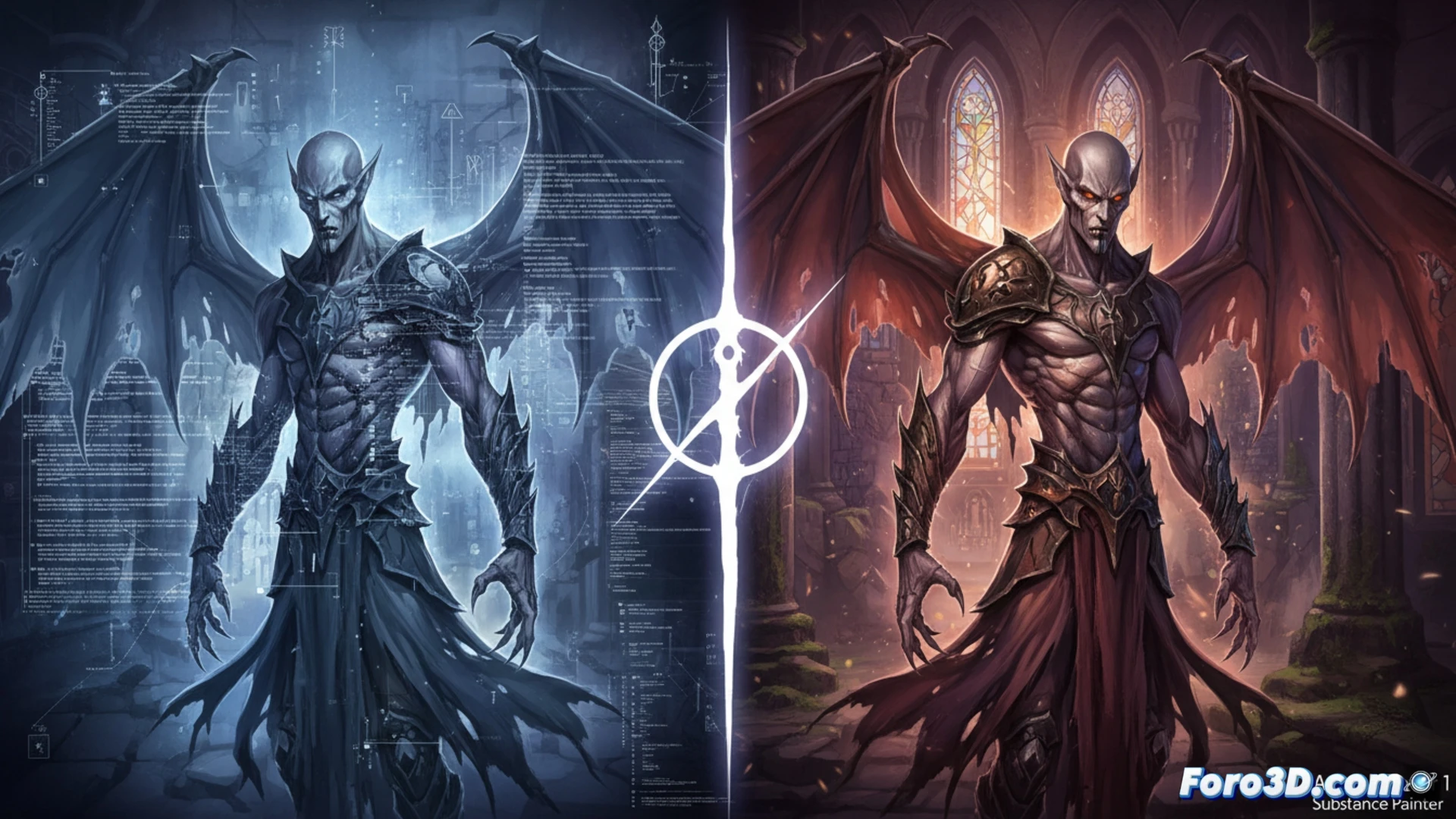
Workflow: from original code to dynamic lighting 🛠️
The process began with Aspyr's reverse engineering tools to decompile and stabilize the original proprietary engine, allowing the injection of new rendering systems. On this foundation, artists used Autodesk Maya to retopologize the 3D models of characters and environments, adding geometry that respects the original volumes but supports high-frequency normals. In Substance Painter, textures were redrawn from scratch, applying wear and PBR materials that react to the new dynamic lighting. The technical key was preserving the gloomy atmosphere and desaturated color palette, ensuring the enhancements did not break the visual coherence of the classic.
The balance between nostalgia and modern technology ⚖️
The most interesting aspect of this project is the decision not to overwrite the original engine, but to coexist with it. By pressing a button, the game instantly switches between the original pipeline and the remastered one, showing how the same scene looked in 1999 and how it looks today without losing its essence. This demonstrates that a successful remaster does not depend on photorealistic graphics, but on understanding what made a game special and enhancing it with modern tools without betraying its artistic identity.
What technical lessons about preserving proprietary engines and adapting to modern hardware can an indie developer extract from the reverse engineering process applied by Aspyr in Soul Reaver?
(PS: game jams are like weddings: everyone is happy, no one sleeps, and you end up crying)