The arrival of Klonoa Phantasy Reverie Series on the market represents a fascinating case study for any developer. It's not a ground-up remake, but a remaster that successfully updates two titles from the PlayStation era to modern standards using Unity as its backbone. The main challenge was preserving the dreamlike essence and side-scrolling gameplay while rebuilding the entire visual aspect with current technology, a balance many indie studios strive to achieve.
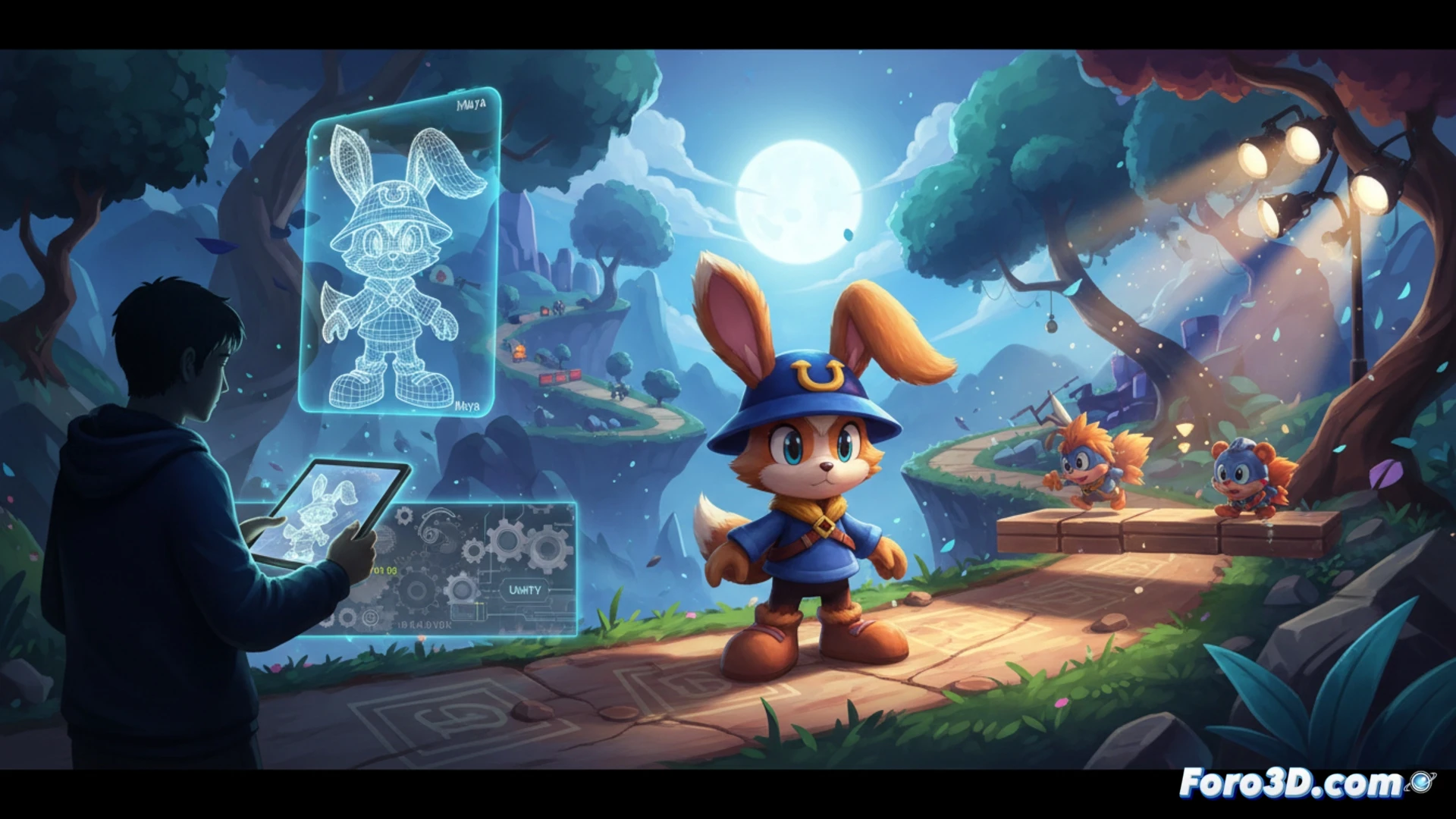
Technical Pipeline: Maya, Photoshop, and the Magic of Depth of Field 🎨
The workflow behind this remaster is a classic example of modern production. The original models, which were rough polygons from the 32-bit era, were completely redesigned in Autodesk Maya. The team created high-quality 3D assets with clean topology, maintaining the protagonist's cartoonish proportions. Subsequently, diffuse textures and normal maps were worked on in Photoshop, aiming for a pictorial finish that evoked a storybook. The real visual trick lies in the implementation of Depth of Field in Unity. In a 2.5D game, where the character moves on a limited Z-axis, this effect is crucial for separating the background planes from the foreground, guiding the player's gaze and creating a sense of a living diorama that disguises the limitations of the fixed perspective.
Lessons for Indie Devs: How Not to Lose the Soul When Updating Graphics 🎮
For an independent developer dreaming of remastering their own classic or a forgotten title, Klonoa leaves three clear lessons. First, the color palette is your best ally: using vibrant, saturated tones in Unity's shaders makes the game appealing even with simple geometry. Second, don't underestimate dynamic lighting: placing soft directional lights in 2.5D scenes can transform a flat model into one with volume without needing complex geometry. Finally, prioritize eye animation and facial expressions in Maya. In a platformer, the character's personality is what connects with the player; a good remaster should polish that before water reflections.
What real-time lighting and shadow system did they implement in Unity to preserve Klonoa's 2.5D aesthetic without losing the visual fluidity of the original titles?
(PS: game jams are like weddings: everyone is happy, no one sleeps, and you end up crying)