The reopening of the Chiara Poggi case, with Andrea Sempio as the new focus, introduces critical elements for digital forensic analysis: two time windows of the crime (9:12-9:58 and 9:58-11:25) and a parking ticket from Vigevano dated August 13, 2007. These pieces, extracted from telephone intercepts and personal diaries, require spatiotemporal validation that only 3D technology can provide with metric precision.
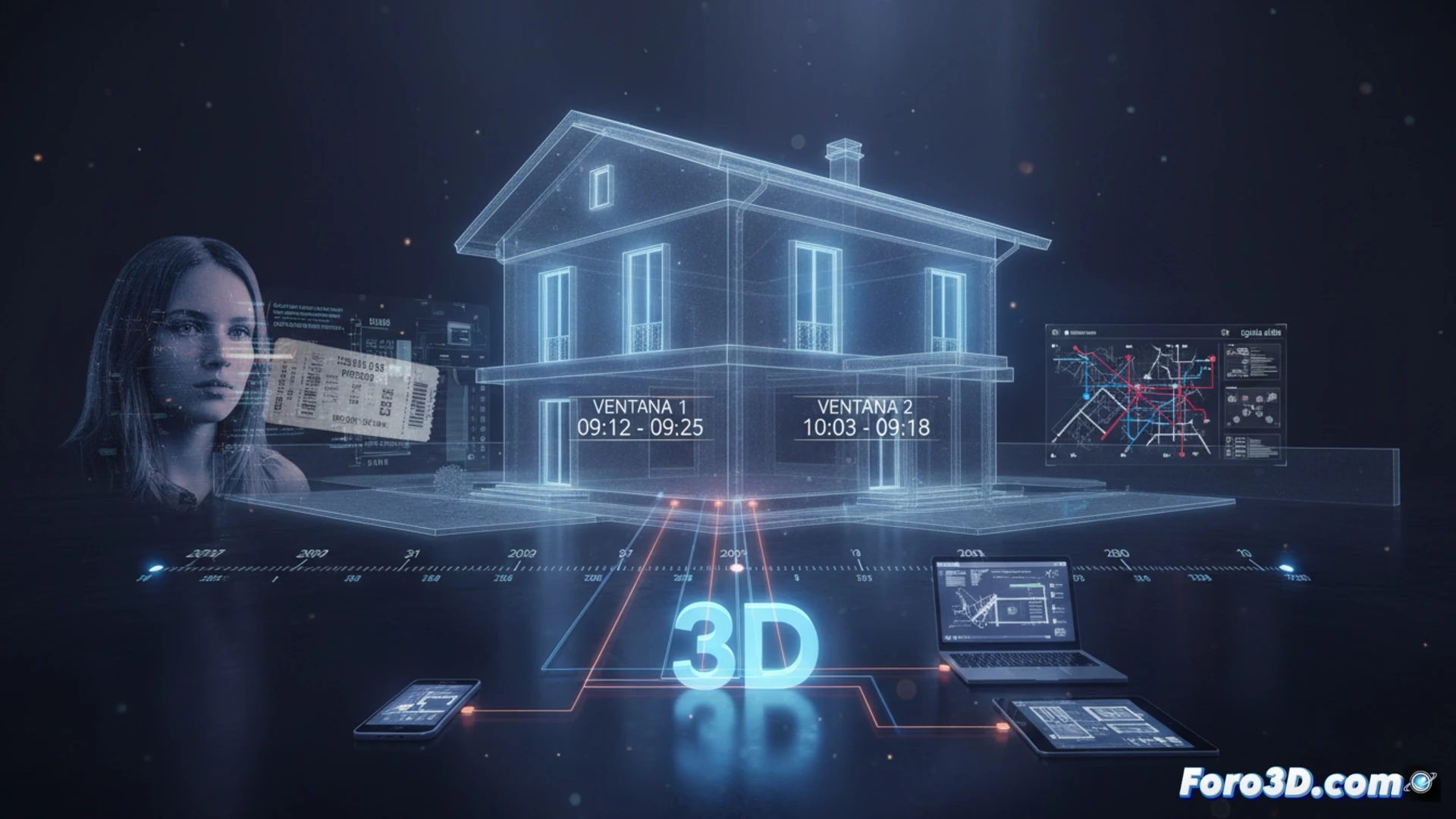
Forensic workflow: photogrammetry and time simulation 🕒
To cross-check the ticket alibi, it is recommended to apply photogrammetry to the Vigevano parking area and model the route to the Poggi residence in Garlasco using Blender. The next step is to create an animated timeline in Unreal Engine, synchronizing the vehicle's movements with the time windows. Virtual security cameras allow verifying whether the distance traveled is compatible with the stated times. Additionally, modeling the crime scene helps physically locate the testimonies from Sempio's diary, contrasting the position of the victim's mother and the exact moment of panic mentioned.
The digital mirror of judicial inconsistencies 🔍
The Poggi family's criticism of the carabinieri, accusing them of journalistic influences, underscores the need for a transparent and reproducible forensic pipeline. By digitizing each statement and alibi in a 3D environment, investigators can expose contradictions without ambiguity. The tool not only reconstructs events but transforms the judicial process into a verifiable model, where the parking ticket ceases to be a simple documentary piece of evidence and becomes a node within a spatial validation system.
Which photogrammetry software do you think would best reveal the details of the scene?