The localization of a sniper through projectile trajectory analysis is a forensic technique that has evolved with 3D simulation. Instead of relying solely on witnesses or the sound of the shot, analysts can digitally recreate the bullet's flight from the point of impact to the origin. This process, known as ballistic backtracking, integrates wind, gravity, and obstacle data to offer millimeter precision in identifying the shooter, transforming armed conflict investigations.
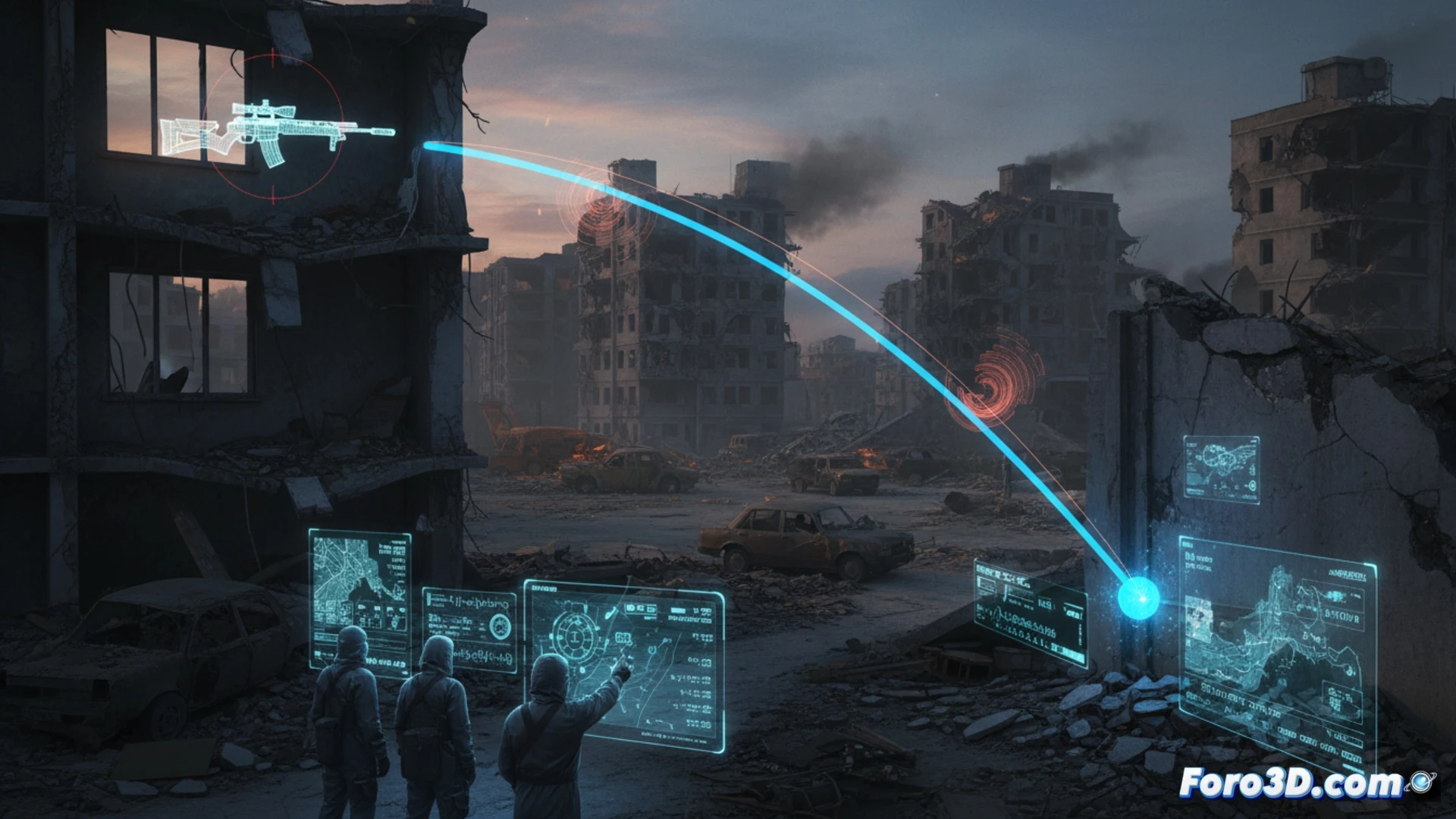
Ballistic simulation in Unity: from impact to origin 🎯
Using graphics engines like Unity or Unreal Engine, we can model a tactical scenario with precision. The process begins by importing a digitized terrain and defining the projectile's properties: caliber, initial velocity, and ballistic coefficient. The software calculates the reverse trajectory by applying motion equations and environmental factors such as wind direction and air density. Including obstacles like walls or vehicles allows simulating deviations or secondary impacts. The result is a cone of probability projected backward, reducing the shooter's search area to square meters. This technique is used both in military forensic investigation and in training security units to identify firing positions.
The tactical value of digital precision 🧠
Beyond technology, this simulation represents a shift in combat doctrine. Being able to determine the origin of a shot in seconds allows security forces to respond with effective cover maneuvers and counterattacks. In the forensic field, 3D recreation serves as visual evidence in courts or intelligence reports, eliminating ambiguities. The integration of field sensors with digital models brings ballistic theory closer to the soldier's reality, demonstrating that simulation not only explains the past but anticipates the future of tactical engagement.
How do atmospheric variables such as wind and barometric pressure affect the accuracy of a 3D ballistic reconstruction to identify the shooter's position?
(PS: 3D conflict simulation will never replace peace, but it helps to understand the magnitude)