The plan to reclaim areas taken over by clans through permanent police presence sounds like an old strategy with a new name. The proposal aims to evict criminal groups from entire neighborhoods, but the challenge is not just entering, but maintaining control without turning every corner into a barracks. The key question: how long can the standoff last?
Drones and sensors to monitor every street 🚁
The proposed technology includes facial recognition cameras, patrol drones, and acoustic sensors to detect gunshots. Data is processed in real-time with algorithms that predict clan movements. The system aims to tighten the noose with mobile checkpoints and rapid response units. But installing this in dense neighborhoods requires fiber optics and stable power, two things that are scarce in the most conflict-ridden areas.
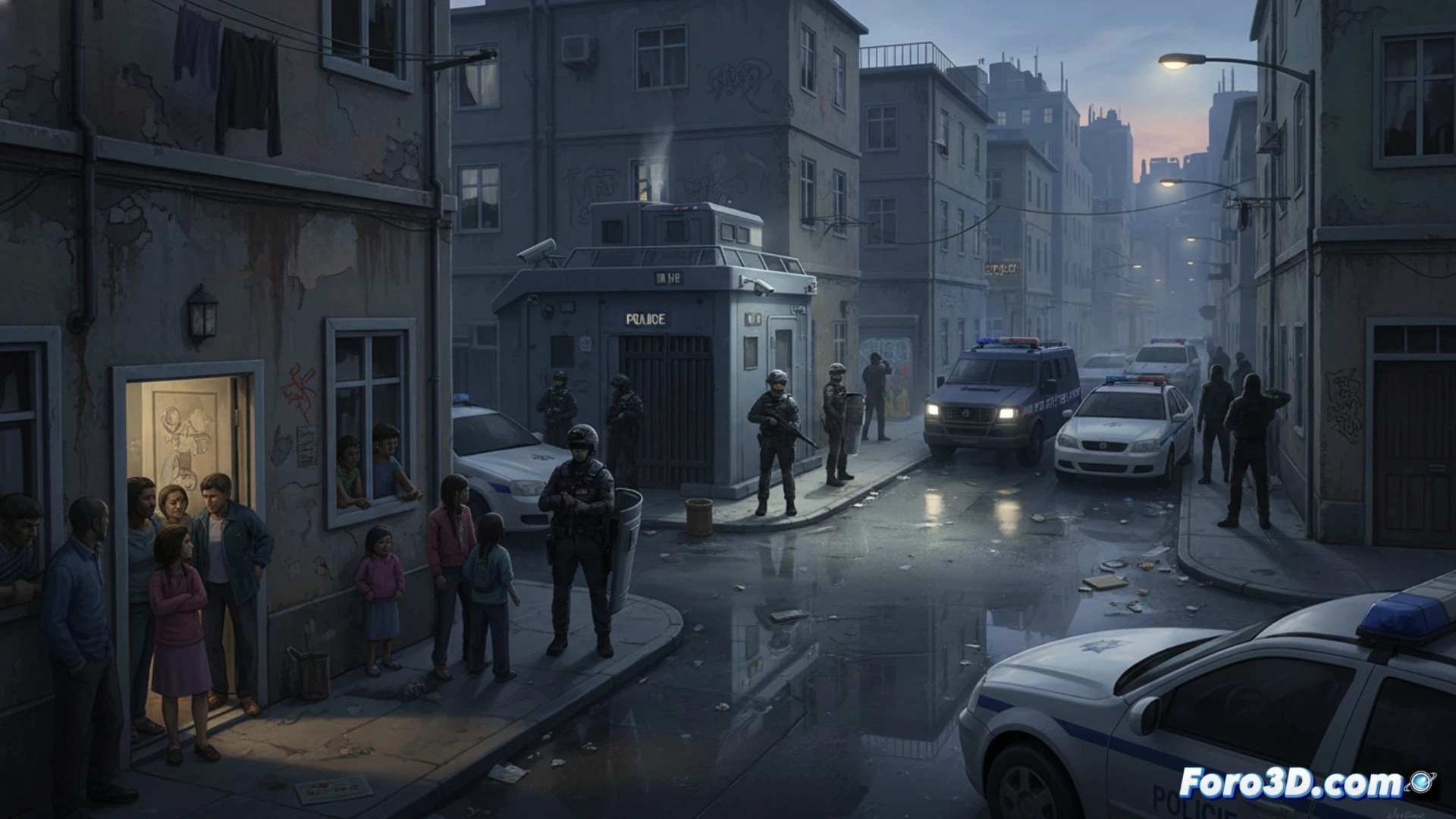
The neighbor who asked for a cop and got a bunker installed 🏠
The idea sounds good until the officer on duty asks for coffee and the neighbor offers a blanket because the cold is relentless. The clans, meanwhile, move next door and rent out the garage as a sales point. In the end, the neighborhood gains a 24/7 checkpoint and loses the peace of having at least one street without a spotlight shining into the bedroom.