Microsoft has launched one of the most controversial features in its ecosystem: Recall. Integrated into Copilot+, this tool uses the NPU of the Snapdragon X Elite to capture continuous snapshots of the screen, creating a visual timeline of all user activity. The promise is powerful: retrieve any document, web page, or conversation through contextual semantic search, without needing to remember file names. However, the price of this convenience is total scrutiny of digital life.
Technical Architecture and Data Management in Recall 🖥️
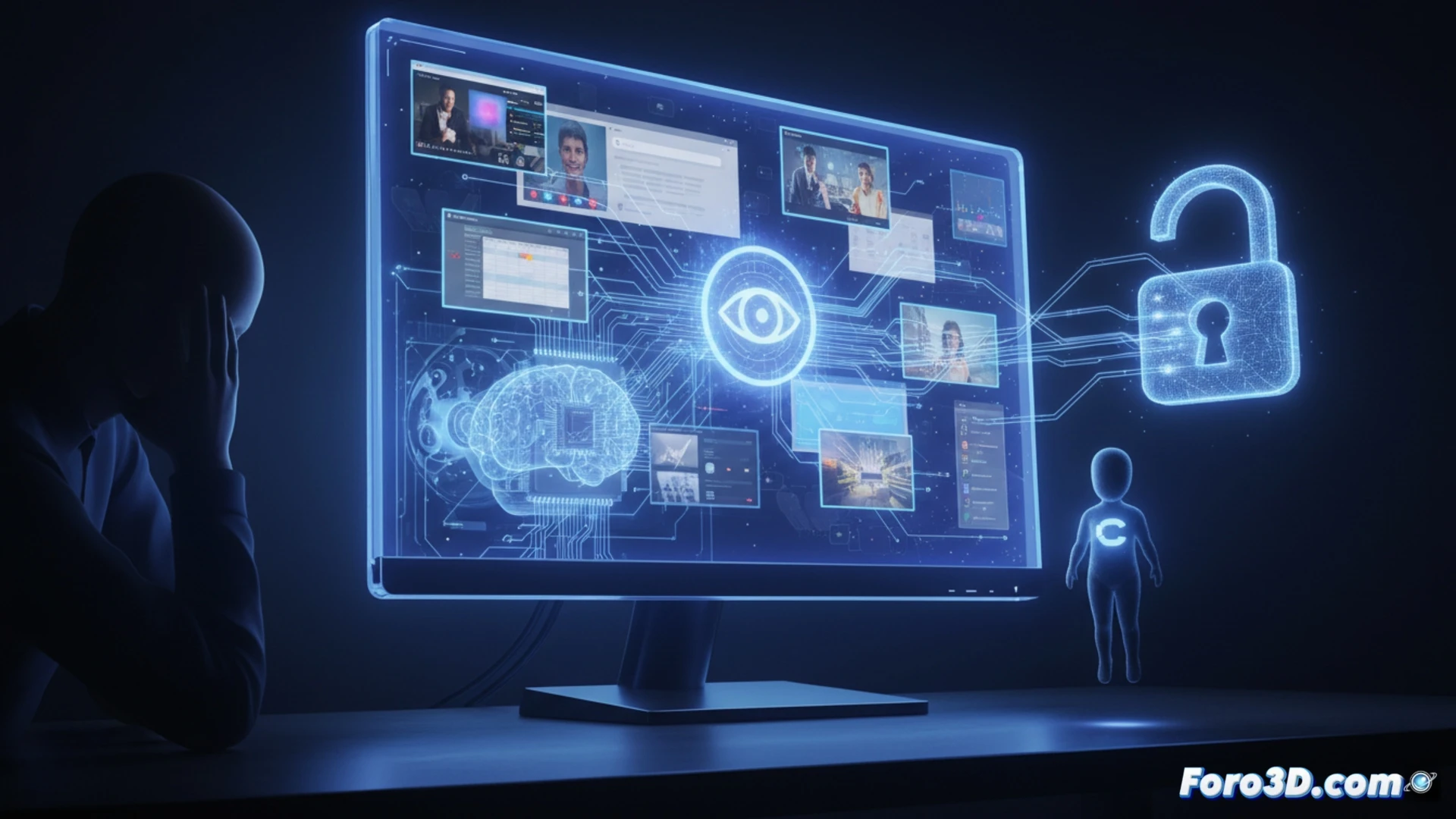
Technically, Recall performs local image processing using the NPU, allowing it to index the visible text in each screenshot without relying on the cloud. The semantic search engine analyzes visual content to respond to queries like show me yesterday's email about the budget. The problem lies in the fact that, although the data is stored encrypted locally, the capture is indiscriminate: it includes visible passwords, private conversations, and banking data. Moderation is almost nonexistent, as the system does not distinguish between sensitive and trivial content, turning the PC into a black box that records everything without human filtering.
Broken Trust: The Social Dilemma of Artificial Memory 🔍
The social impact of Recall is immediate: it erodes user trust in their own machine. The idea that every click is immortalized generates a feeling of perpetual surveillance, even if the data never leaves the device. For Microsoft, the reputational crisis is imminent. The tech community is already debating whether this feature is a productivity tool or a Trojan horse for corporate surveillance. The transparency promised by Microsoft clashes with the reality that the user has no granular control over which snapshots are kept, opening the door to a necessary debate on the ethical limits of AI in managing digital memory.
To what extent does Microsoft's Recall feature, by storing local captures of user activity for AI processing, redefine the boundaries between personalized productivity and digital surveillance in a society where privacy is already a scarce commodity?
(PS: trying to ban a nickname on the internet is like trying to cover the sun with a finger... but in digital)