Tarsier Studios, known for their work on Little Nightmares, returns with Reanimal, an atmospheric horror proposal developed in Unreal Engine 5. The studio has opted for a workflow centered on advanced dynamic lighting and ray tracing for realistic shadows, seeking total immersion. This article breaks down the graphical pipeline that combines Maya, ZBrush, and Substance 3D to bring their grotesque creatures and oppressive environments to life.
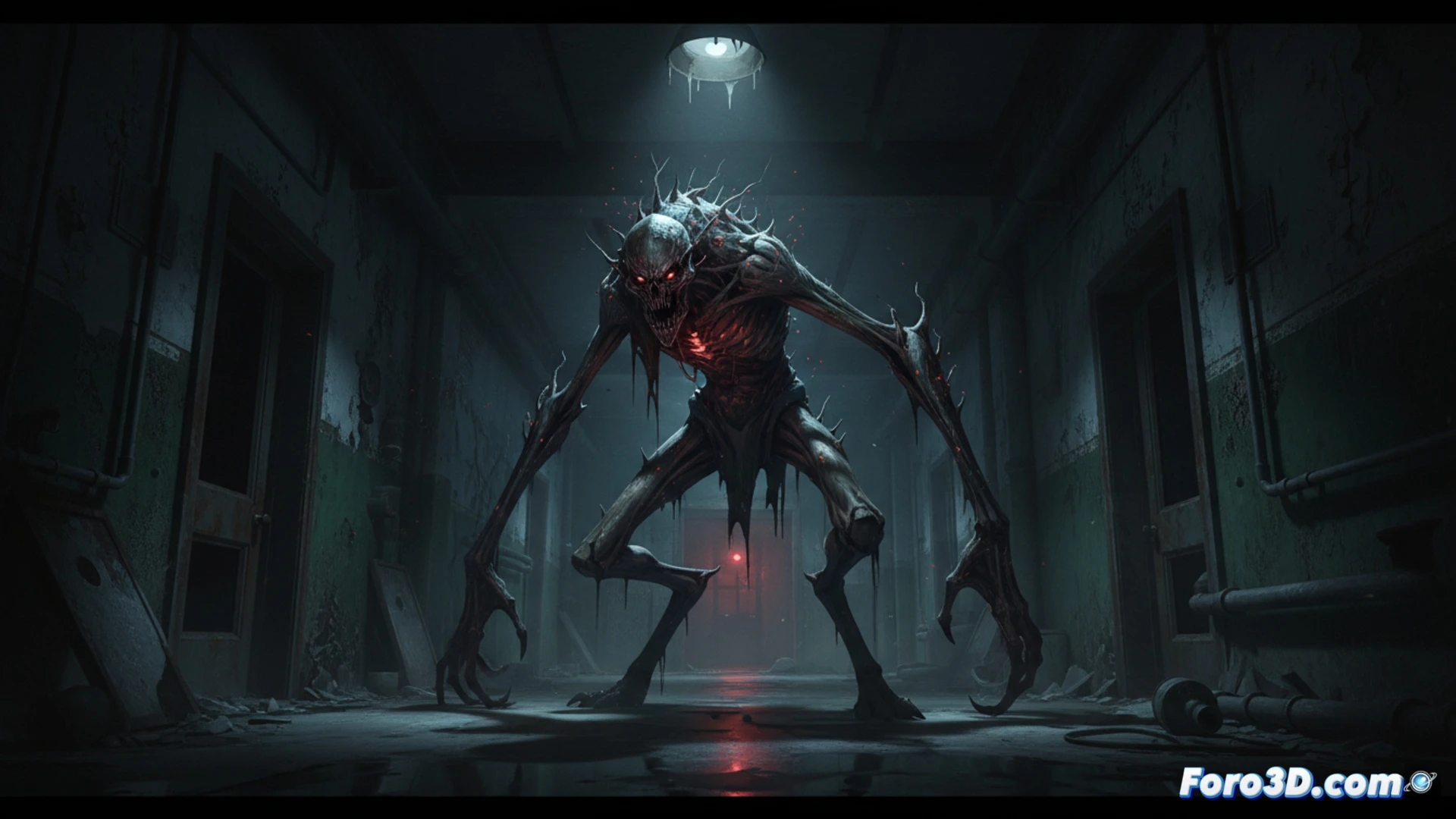
Asset Pipeline: From ZBrush to Dynamic Lighting in UE5 🎮
The process begins with base modeling in Maya, where the proportions of scenes and characters are established. However, the true organic detail of the creatures is born in ZBrush, where artists sculpt skin textures, scars, and deformities that generate revulsion. Subsequently, PBR texturing is applied in Adobe Substance 3D, creating materials that react physically to light. The key lies in the integration with Unreal Engine 5: ray-traced shadows are used so that every fold and protrusion casts precise shadows, while dynamic lighting adjusts contrast in real-time, hiding elements in the darkness to build tension.
The Atmosphere as a Result of a Technical Chain 🌑
Beyond the tools, the success of Reanimal lies in the pipeline's cohesion. Ray tracing is not an ornament; it is functional for gameplay, as realistic shadows conceal dangers. Sculpting in ZBrush seeks not only detail but also a recognizable silhouette against the light. Tarsier demonstrates that atmospheric horror is not achieved solely with a powerful engine, but with a technical orchestration where each software contributes a layer of visual discomfort. A reminder that in video game development, technology must serve emotion.
How Tarsier Studios has optimized the use of Lumen and Nanite in Unreal Engine 5 to maintain the oppressive atmosphere and stable performance in horror scenarios with dynamic lighting and detailed geometry in Reanimal
(PS: a game developer is someone who spends 1000 hours making a game that people complete in 2)