3D technology can help bus drivers improve safety and efficiency on complex routes. A practical example is an augmented reality system that projects stop, detour, and blind spot indicators onto the windshield. The necessary programs include Unity for visual development, Blender for modeling routes and environments, and an SDK such as ARKit or ARCore to integrate augmented reality into the vehicle.
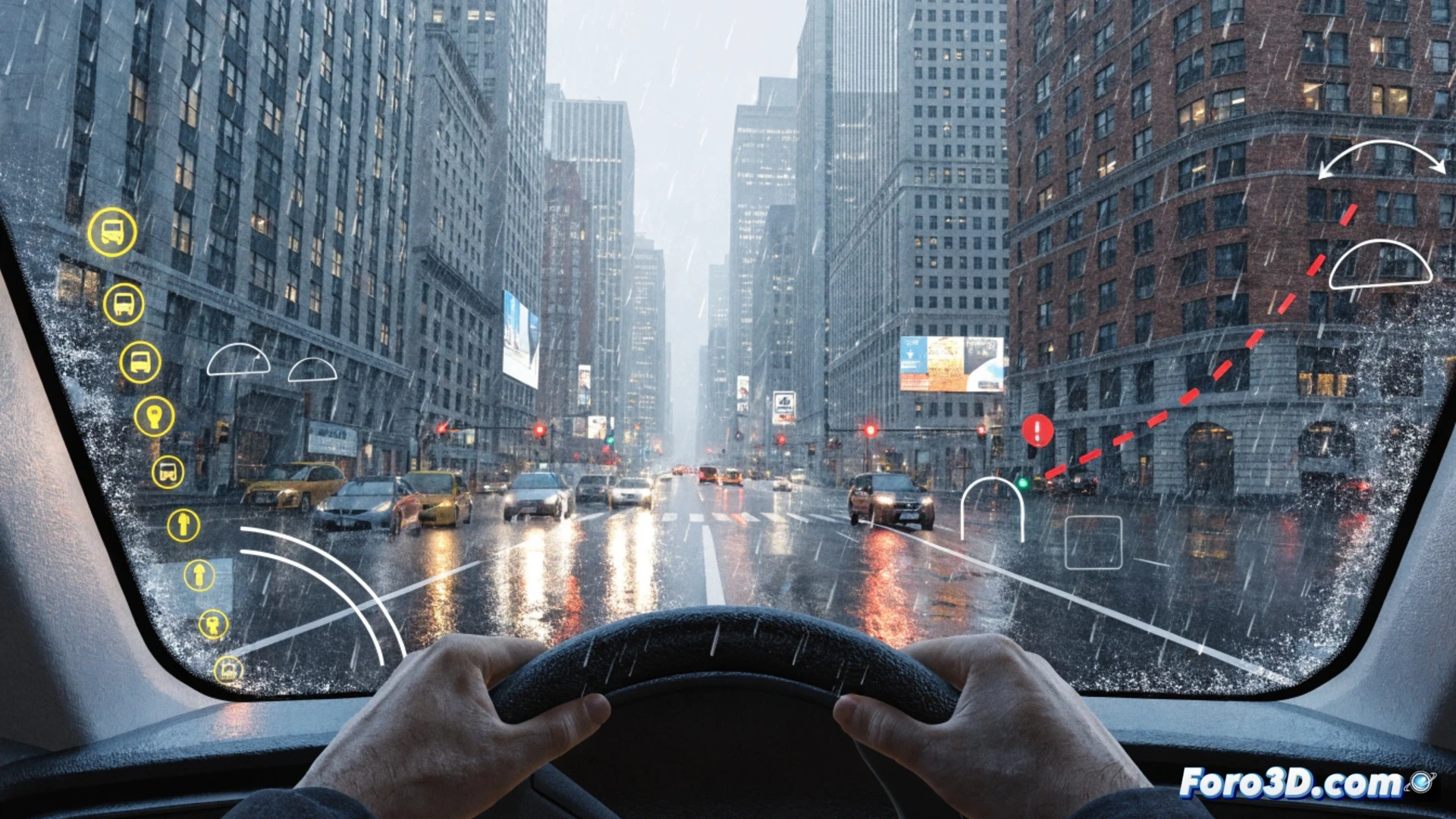
3D route modeling and traffic simulation 🚍
To prepare drivers, 3D simulation software such as Simio or AnyLogic can be used, allowing the recreation of complex intersections and passenger flows. With a LiDAR scanner mounted on the bus, the real environment is captured and a digital twin is generated in AutoCAD or Revit. This serves to practice parking maneuvers or turns on narrow streets. The result is a training tool that reduces accidents and improves driving precision, without relying on prior route experience.
When the GPS sends you to a dead-end alley 😅
Of course, all this 3D technology will be useless if the driver continues using a GPS that guides them towards a bridge too low for the bus. 3D route modeling can include tunnel heights and street widths, but there will always be a colleague who trusts their intuition more than the digital twin. In the end, the best assistance system is still asking the passenger in the front row if that detour looks like it will lead them to a mechanic's shop.