The Rabbit R1 is not a simple gadget; it is the materialization of a paradigm shift in human-machine interaction. By dispensing with the traditional touch interface, this portable device introduces the concept of an autonomous agent into the user's pocket. Based on a Large Action Model (LAM), the R1 promises to execute complex tasks such as booking flights or ordering a car without the user touching a screen, delegating the action to an artificial intelligence that navigates applications for us.
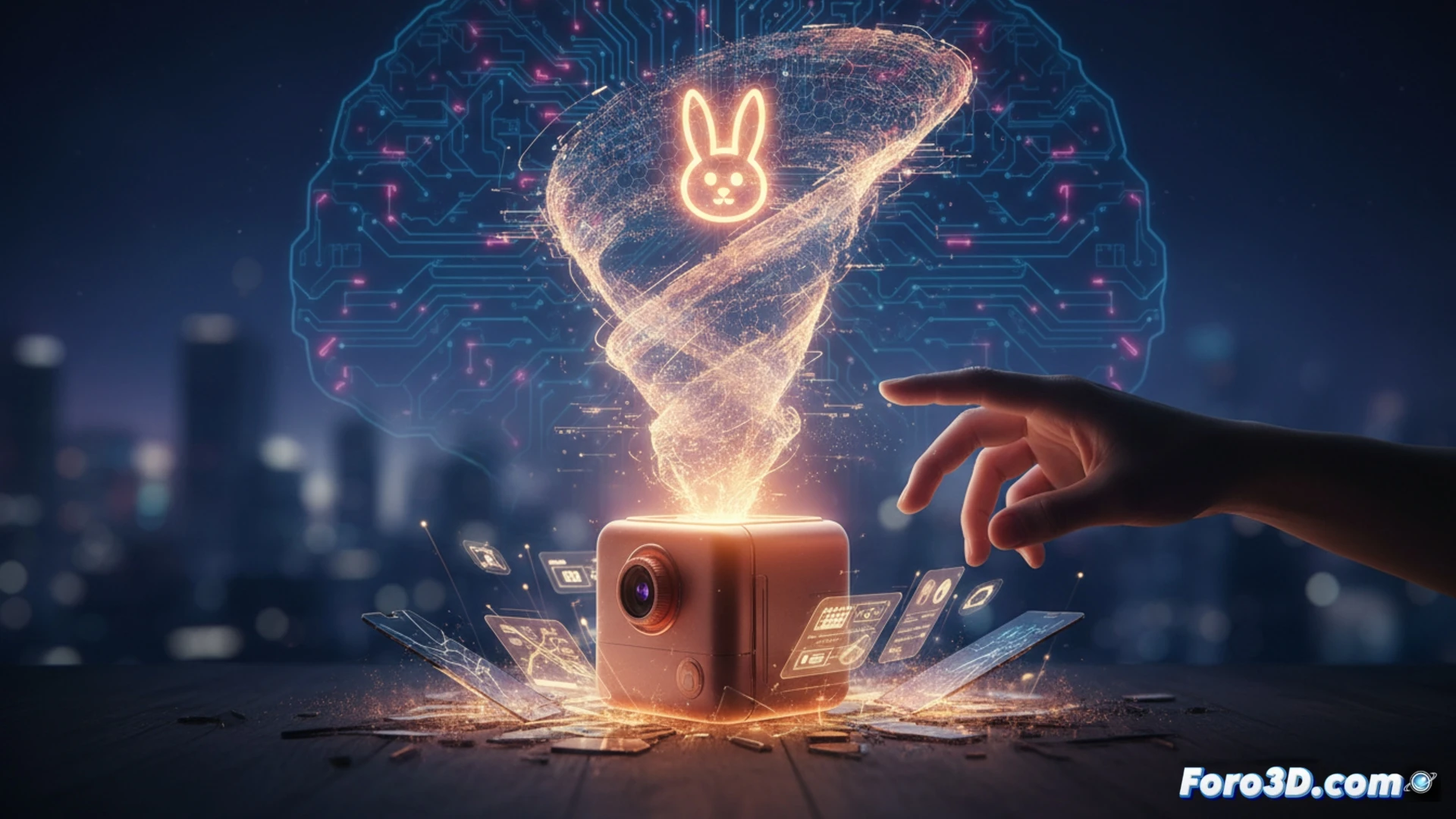
LAM: the architecture that executes, not just converses 🤖
Unlike traditional language models (LLMs) that are limited to generating text, the Rabbit R1's Large Action Model (LAM) is designed for direct execution. Its architecture learns the user interface of applications (such as Uber or Spotify) and autonomously replicates human clicks and gestures. This implies a qualitative leap: we move from giving instructions to an assistant to handing over control of the digital session to an agent. Technically, the LAM must overcome challenges of latency, security of user credentials, and adaptation to changes in application APIs, a moderation challenge of the highest order.
Delegated autonomy: the price of convenience ⚖️
The promise of the Rabbit R1 raises a deep social debate about the loss of control. By delegating critical actions to an agent, the user cedes their digital autonomy and exposes sensitive data (location, payment methods) to a black-box model. The tech community is already warning about the risk of unlearning: if the AI does everything, the user stops understanding how the service works. Furthermore, the moderation of unsolicited actions (a LAM error ordering the wrong trip) raises questions about legal responsibility and privacy in a society where convenience outweighs manual control.
As the screenless interaction of the Rabbit R1 challenges the visual dependence of generative AI, what ethical and technical implications does it have for transparency and human control in a digital ecosystem governed by autonomous agents?
(PS: tech nicknames are like children: you name them, but the community decides what to call them)