Quicksilver Messenger Service was born in San Francisco as the quintessential hippie band. Their sound constantly evolved, adapting from psychedelic rock to folk and blues. With numerous lineup changes, the group reflected the free and changing spirit of the sixties counterculture, being an example of musical flexibility without losing its essence.
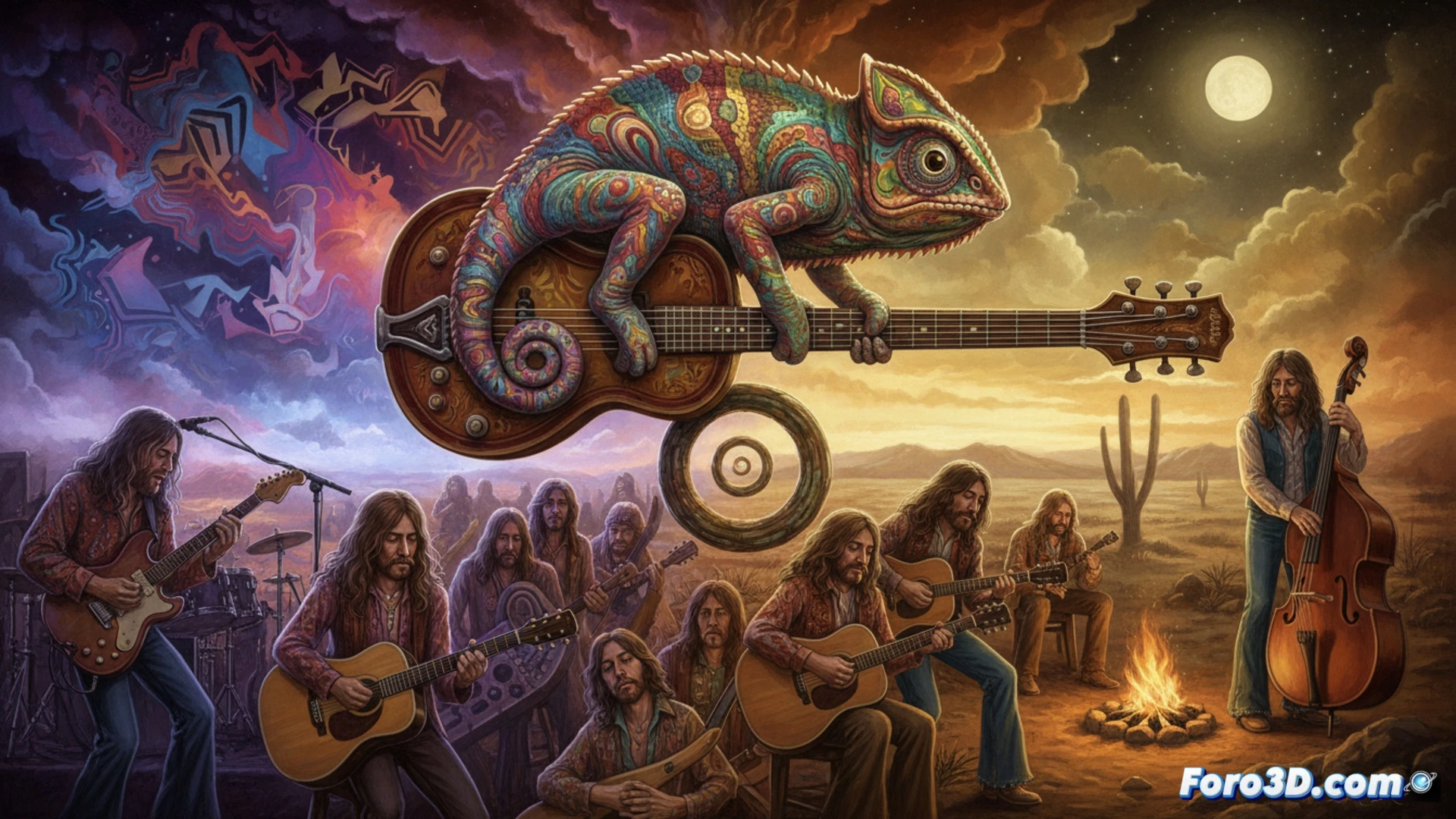
The technical evolution of a sound without borders 🎸
The group's flexibility was supported by a solid technical foundation. John Cipollina brought a guitar style with vibrato and delays, while Gary Duncan and David Freiberg alternated roles between bass and rhythm guitar. This versatility allowed the group to change registers seamlessly, moving from long psychedelic improvisations to more folk structures. The use of early amplification and effects pedals was key to their versatile sound.
Lineup changes: the musical chairs game 🎭
Quicksilver's lineup changed more than the weather in San Francisco. One moment you had Cipollina, and the next he was off playing with others. The band functioned like a commune: anyone could come and go as they pleased. Of course, always just before recording an album. In the end, it was hard to know who was a permanent member and who was just stopping by for a coffee.