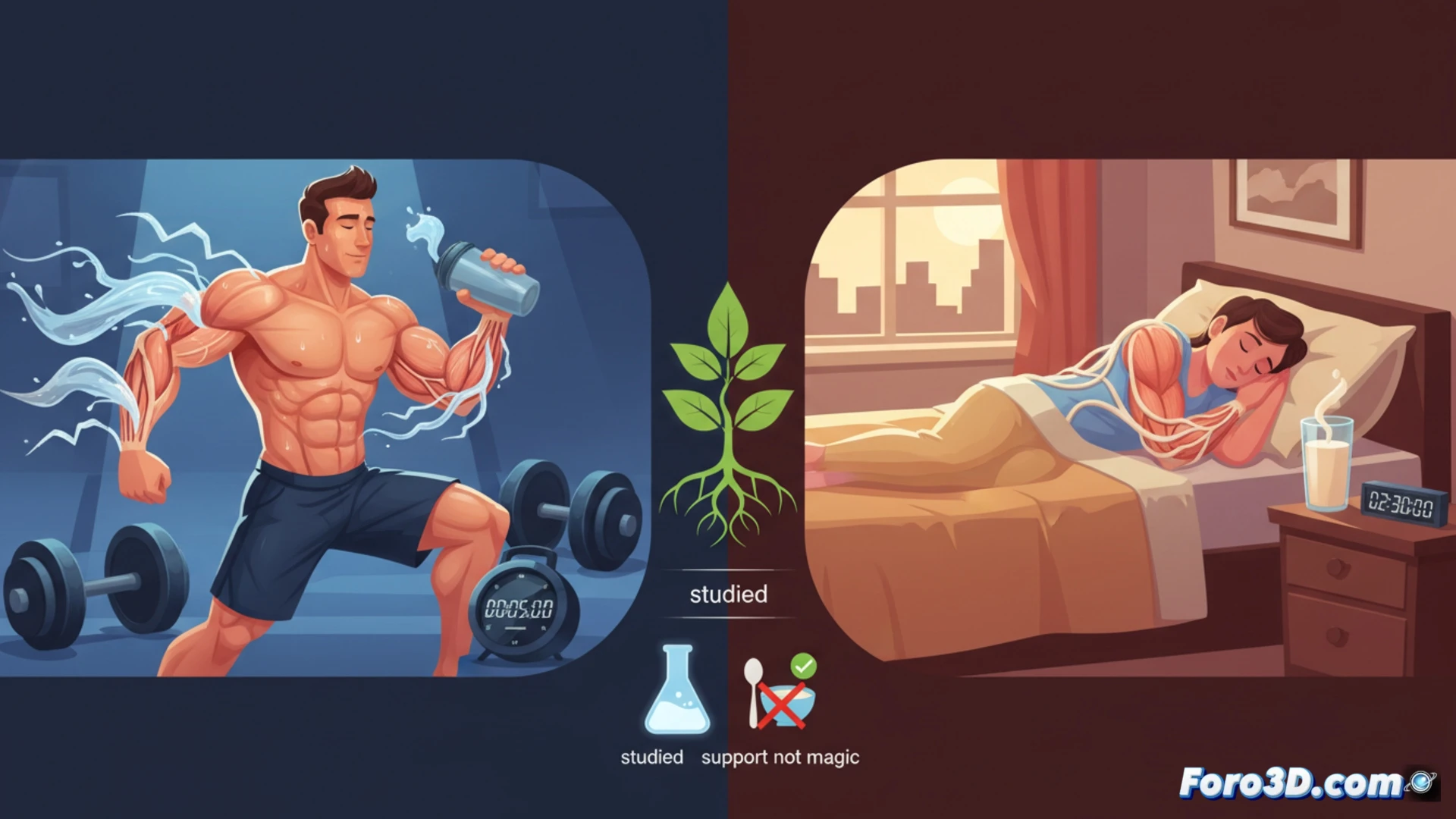
Whey protein offers rapid absorption and high bioavailability, ideal after training for building strength and muscle mass. Casein, with slow digestion, is recommended before bed to prevent muscle breakdown. Plant-based proteins, such as soy, are also effective, although whey is the most studied and supported. Remember: supplements are not a magic remedy, but a practical support.
Innovation in proteins: hydrolysates and next-generation filtrates 🧬
Current technology allows obtaining whey isolates with up to 90% protein purity through cold microfiltration, preserving bioactive peptides and reducing lactose and fats. Hydrolysates, subjected to enzymes that break long chains, accelerate absorption within minutes. In the case of casein, micellar retains its natural structure, releasing amino acids for hours. These processes avoid thermal degradation and improve digestibility, without the need to add complex additives.
The pre-bed shake: a ritual with digestive side effects 😴
Taking casein before bed is like sending a slow-release amino acid convoy to your muscles. Sure, then you wake up at 3 a.m. with a stomach noise that sounds like a diesel engine and a breath that smells like a yogurt factory. But hey, at least your biceps won't disintegrate while you snore. Science says it works; your partner says you should move to the couch.