Mercury, Marvel's mutant whose body is non-toxic liquid mercury, is a clear example of a character protected by copyright and trademark law. Its unique design, metamorphic powers, and narrative background are intellectual property of Marvel Entertainment. For 3D creators, modeling Mercury involves navigating a complex legal framework where unauthorized reproduction can lead to serious infringements, especially if the piece is intended for commercialization.
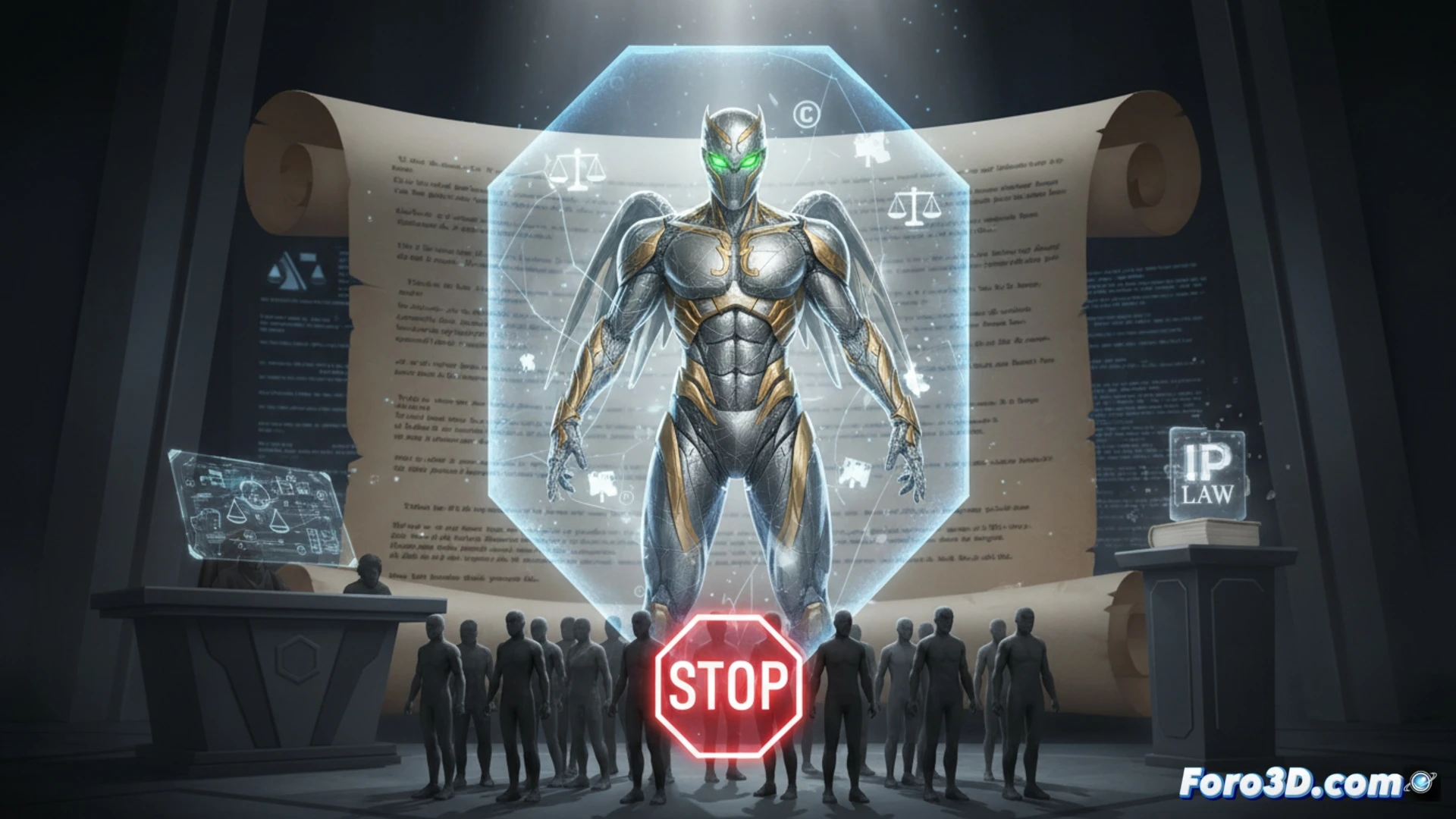
Copyright and trademarks in the digital age ⚖️
Copyright protects the artistic expression of the character, such as its physical appearance and personality, while trademarks protect its name and associated symbols. Any 3D model that faithfully reproduces Mercury, even without profit motive, may violate these rights if the derivative work is not covered by fair use or fair use. Cases like Marvel's lawsuit against sellers of unlicensed figurines demonstrate that commercializing digital or 3D-printed models of protected characters carries real legal risks. Distribution on platforms like Thingiverse or Cults3D has also been subject to infringement notices from rights holders.
Legal strategies for 3D creators 🛡️
To avoid litigation, modelers should seek official licenses or stick to creating transformative works that do not reproduce the original character in a recognizable way. Parody or personal tribute, without commercial distribution, are more likely to be considered fair use, although the line is blurry. The best practice is to document the creative process and, when in doubt, consult a lawyer specialized in digital intellectual property. Respecting copyright not only protects Marvel but also fosters an ecosystem of original and sustainable creation.
When creating a 3D model of Marvel's Mercury for a non-commercial project, to what extent is its distribution on digital platforms legal if the use of its name or registered symbols is explicitly avoided?
(PS: judges say human authorship required... but I'm sure they haven't seen my automatic retopologies)