The figure of the film director concentrates immense pressure that leads to specific occupational risks: chronic stress from tight deadlines, physical fatigue from grueling workdays, and anxiety from managing teams. However, 3D previsualization tools offer a tangible solution to mitigate these dangers, transforming planning into a virtual process that protects the professional's health before the first clapperboard snap.
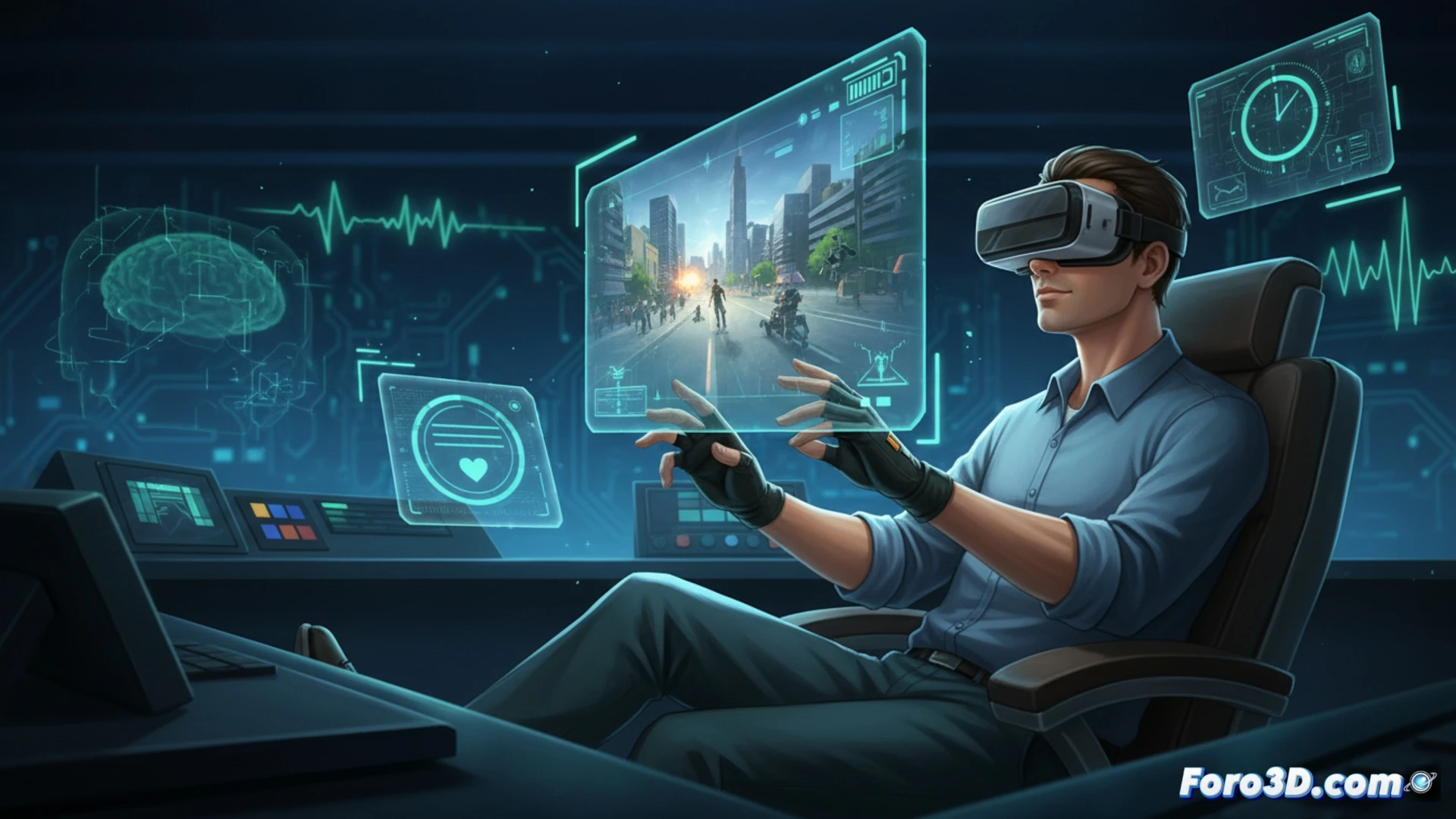
Virtual simulation of sets and shooting logistics 🎬
The use of digital twins of the set allows the director to resolve camera blocking, lighting, and actor choreography from a workstation, eliminating the need for long trial days on location. This technique reduces exposure to adverse weather conditions and minimizes mental strain by validating complex decisions in a pressure-free environment. Furthermore, virtual logistics planning optimizes crew movements, reducing accumulated fatigue and sleep disorders associated with constant travel between locations.
Shooting as execution, not improvisation 🎥
When the director arrives on set with a detailed 3D storyboard, the shoot becomes a mechanical execution of what has already been validated, rather than a high-tension creative environment. This frees up cognitive load, reduces anxiety over unforeseen events, and allows for clearer team management. 3D technology not only optimizes visual narrative; it becomes an occupational health tool that returns control over their work pace to the director.
How can 3D previsualization transform the mental burden of the film director into a collaborative process that reduces chronic stress and prevents occupational risks before shooting
(PS: Previs in film is like the storyboard, but with more possibilities for the director to change their mind.)