Post Trauma positions itself as a technical benchmark in the psychological horror genre by fully exploiting Unreal Engine 5. The title not only seeks to scare but to immerse the player in a high-fidelity visual nightmare. The key lies in how technology serves the narrative, using dynamic global illumination and photogrammetry-derived textures to blur the line between the real and the surreal.
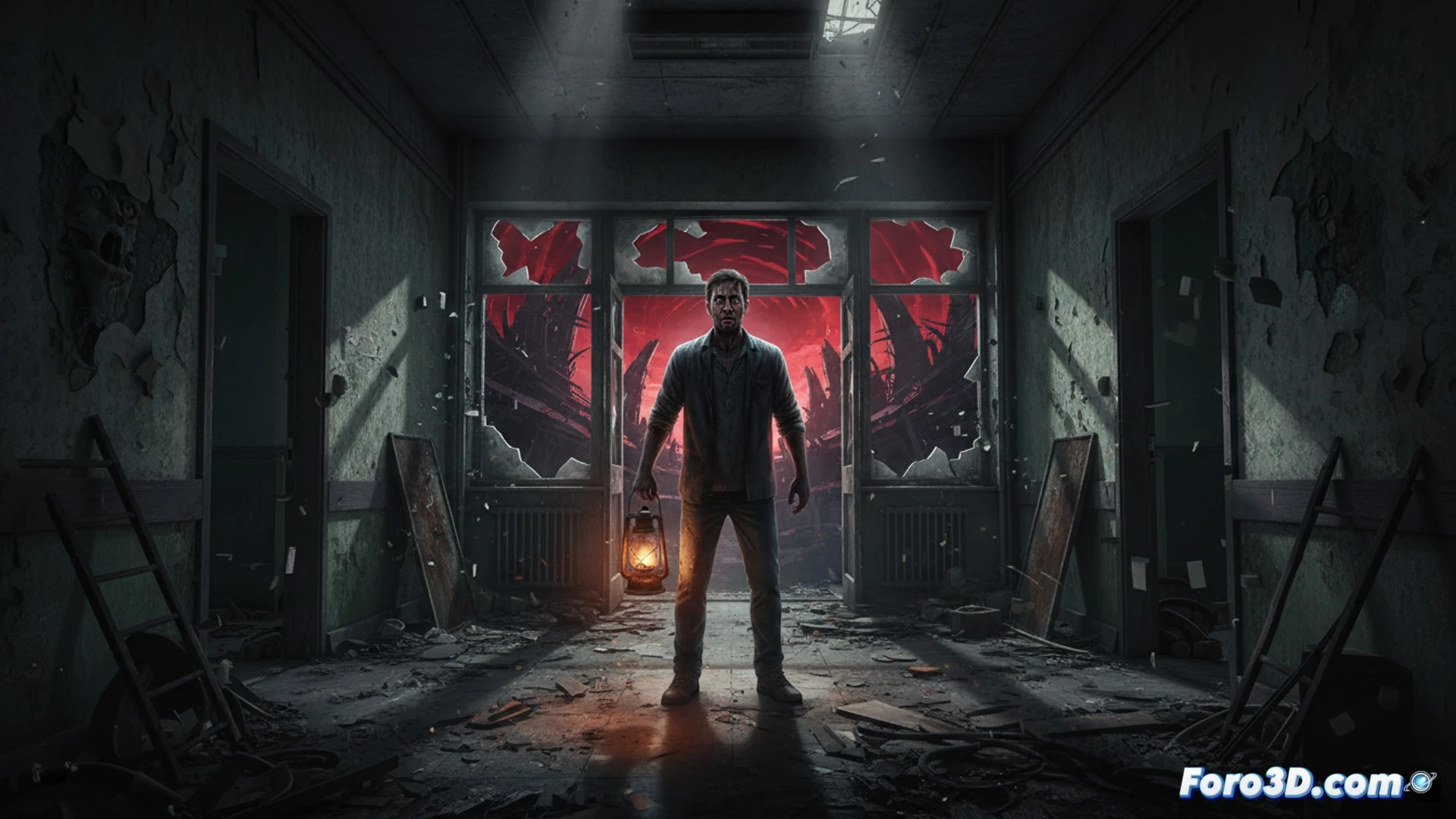
Technical Pipeline and Real-Time Cinematography 🎥
The team has built a solid pipeline combining Autodesk Maya and ZBrush for high-resolution sculpting of characters and creatures, whose details are captured through normal and displacement maps. The decaying urban environments are populated with assets from Quixel Megascans, ensuring a level of organic detail that is hard to match. However, the true technical achievement lies in the camera. Cinematic angles, with close-ups and slow tracking shots, are synchronized with UE5's lighting system to create elongated shadows and points of light that guide (or confuse) the player, constantly raising the tension.
The Paradox of Realism in Horror 👁️
Although photorealism is an impressive technical achievement, Post Trauma demonstrates that its true power in psychological horror lies not only in graphical fidelity but in the manipulation of perception. UE5's global illumination not only lights but also conceals; textures not only show but suggest. The challenge for independent developers is to remember that technology is a tool for atmosphere, not an end in itself. In this title, the engine becomes an accomplice to fear.
What specific Unreal Engine 5 techniques, such as Lumen and Nanite, have been used in Post Trauma to achieve extreme photorealism in representing claustrophobic spaces and enhance the psychological horror atmosphere without sacrificing real-time performance?
(PS: shaders are like mayonnaise: if they break, you start all over again)