The release of Star Wars: Battlefront Classic Collection has reignited the debate on how to preserve classic gameplay without sacrificing modern compatibility. Behind this collection lies the work of Aspyr, a studio specialized in ports that faced the challenge of updating an engine from the PlayStation 2 and original Xbox era. Pandemic's Zero Engine, designed for fixed hardware, had to run on modern graphics cards with completely different pipelines, requiring a deep re-engineering of rendering and memory management processes.
Reverse Engineering and Portability Tools 🛠️
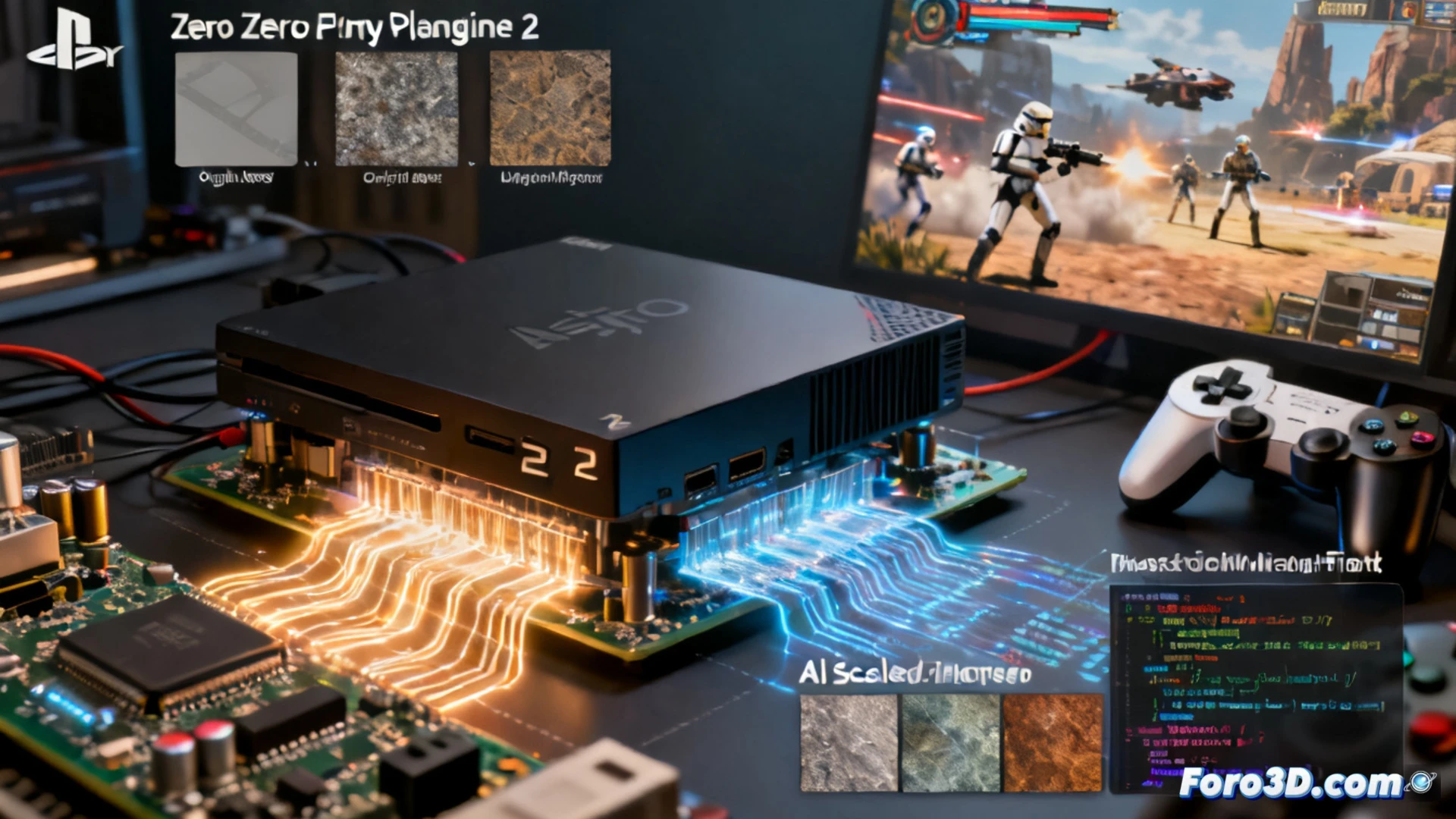
To achieve compatibility, Aspyr used Visual Studio as the main development environment, allowing them to recompile the C++ codebase of the Zero Engine for x86-64 and ARM architectures. However, the real challenge was not the code, but the assets. The original textures, created for 480p resolutions, looked blurry at 4K. The solution was to implement an AI-powered upscaling process. Using neural networks trained with frames from the original game, Aspyr generated high-resolution textures that preserved the artistic style without adding non-existent details. Additionally, Aspyr's proprietary portability tools allowed mapping old hardware calls (such as those from the PS2 GPU) to modern DirectX and Vulkan APIs, maintaining the original rendering latency and behavior.
Post-Processing and Visual Fidelity 🎮
Beyond resolution, Aspyr had to deal with the limitations of the original post-processing. Effects like motion blur or lens flare were tied to fixed resolutions and 30 FPS refresh rates. To adapt them to 60 FPS and high-frequency monitors, the team rewrote the post-processing shaders, ensuring that timing calculations were independent of the framerate. The result is a collection that feels identical to the original in control and response, but visually benefits from the advantages of modern hardware, demonstrating that a good port not only transfers code but reconstructs the experience while respecting its original technical limitations.
What specific emulation or re-engineering techniques were implemented to maintain the fidelity of the physics and original gameplay of the Battlefront maps on modern hardware?
(PS: shaders are like mayonnaise: if they break, you start all over again)