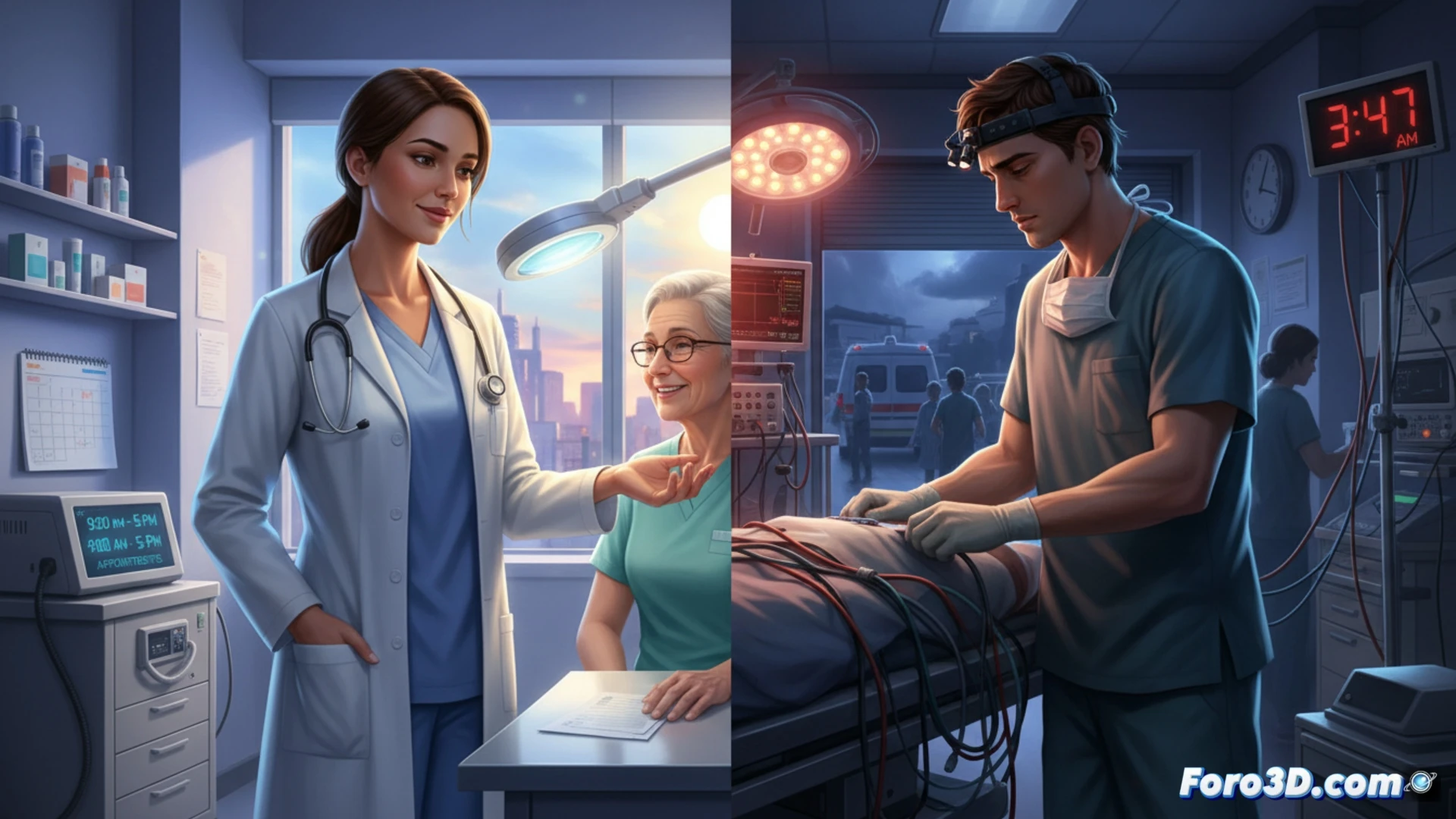
Dermatology has displaced highly prestigious specialties such as cardiology or neurosurgery among new doctors. The reason is not a passion for moles, but the search for a more balanced life. Predictable schedules, fewer night shifts, and the possibility of practicing in the private sector with high income have turned this branch into the preferred option for those who want to practice without the extreme physical wear and tear of other areas.
Technology at the service of the epidermis 🔬
The rise of dermatology is also supported by technological advances. Digital dermoscopy allows precise diagnosis of lesions, while artificial intelligence analyzes images to detect melanomas in seconds. Treatments with fractional laser, intense pulsed light, and microneedling radiofrequency have expanded the range of aesthetic and therapeutic procedures. These tools not only improve clinical outcomes but also reduce consultation time, optimizing the specialist's schedule.
Goodbye to the scalpel, hello to sunscreen ☀️
While neurosurgery residents spend 36 consecutive hours operating on aneurysms, dermatologists debate whether the patient has seborrheic keratosis or a friendly mole. Dermatology on-call shifts are usually resolved with a phone call and a hydrocortisone cream. The only real emergency is running out of retinol in the private clinic. That's why, when a young doctor says they want to specialize in skin, we all know they actually want to dedicate themselves to living.