The same industry that built atomic bombs now sells its plutonium as eco-friendly reactor fuel. This news reveals a conceptual trap: turning military material into electricity does not eliminate its danger, it merely disguises it. While tech giants applaud the business, high-level radioactive waste still has no real solution. Calling this clean energy requires remarkable moral flexibility.
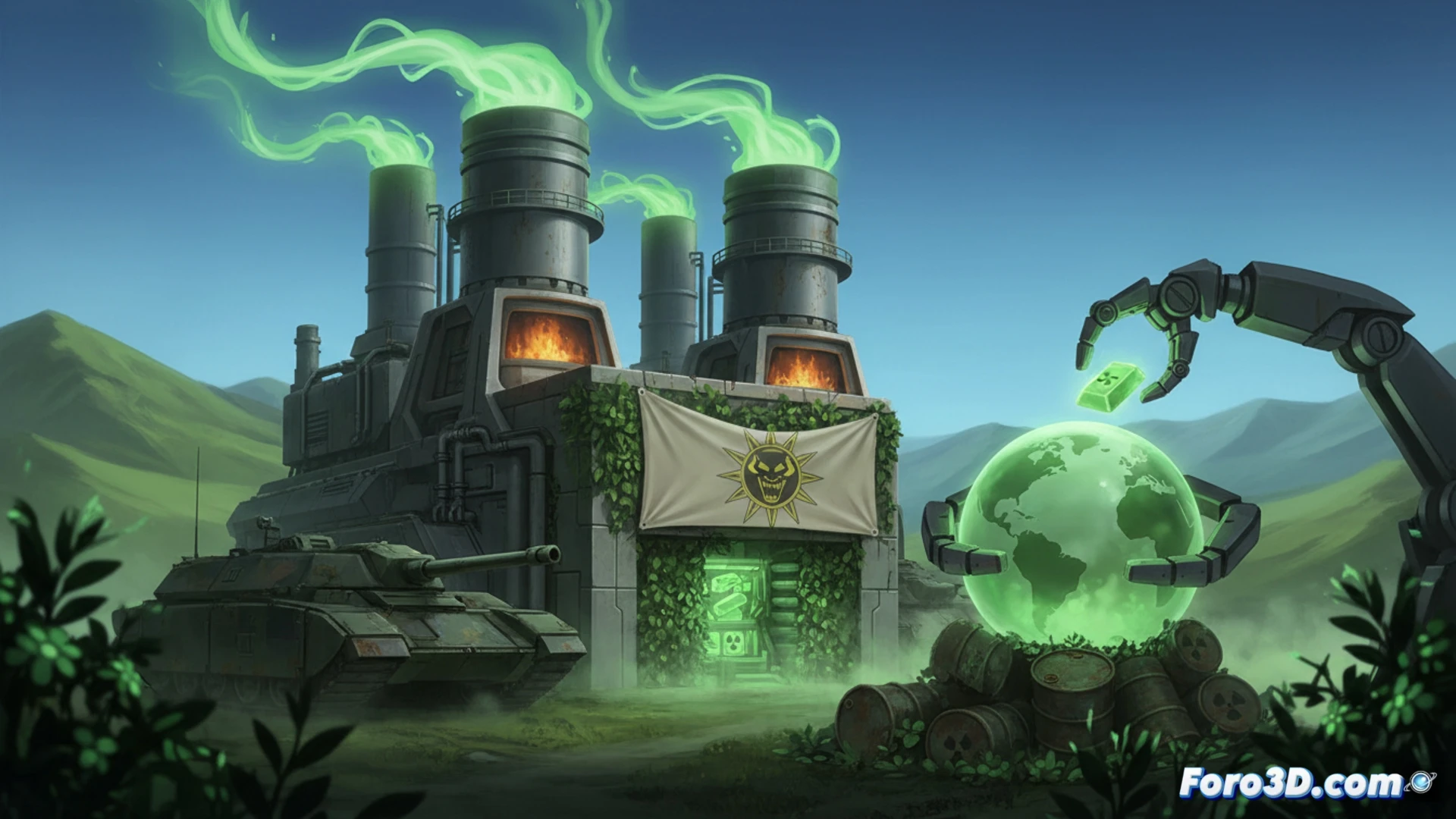
The hidden cost of burning the remnants of the Cold War ☢️
Weapons-grade plutonium requires handling in shielded facilities with astronomical security costs. Converting it into MOX fuel involves complex chemical processes and proliferation risks. Every gram processed generates new fission waste that no one knows how to store for millennia. The equation does not add up: for every kilowatt produced, a toxic liability is inherited that future generations will pay for. Renewables, meanwhile, are breaking price and efficiency records without creating this poisoned legacy.
Green energy, but don't touch that cesium drum 🛢️
The idea is brilliant: calling it recycling to use material from nuclear missiles to heat coffee makers. As if turning a hand grenade into a paperweight made it less lethal. Now it turns out that the most ecological thing is to burn what was left over from atomic paranoia, while renewables are still waiting their turn. The nuclear lobby has found the perfect marketing: dressing the radioactive legacy of the Cold War in green. All that's missing is selling t-shirts with the slogan: bombs that give light.