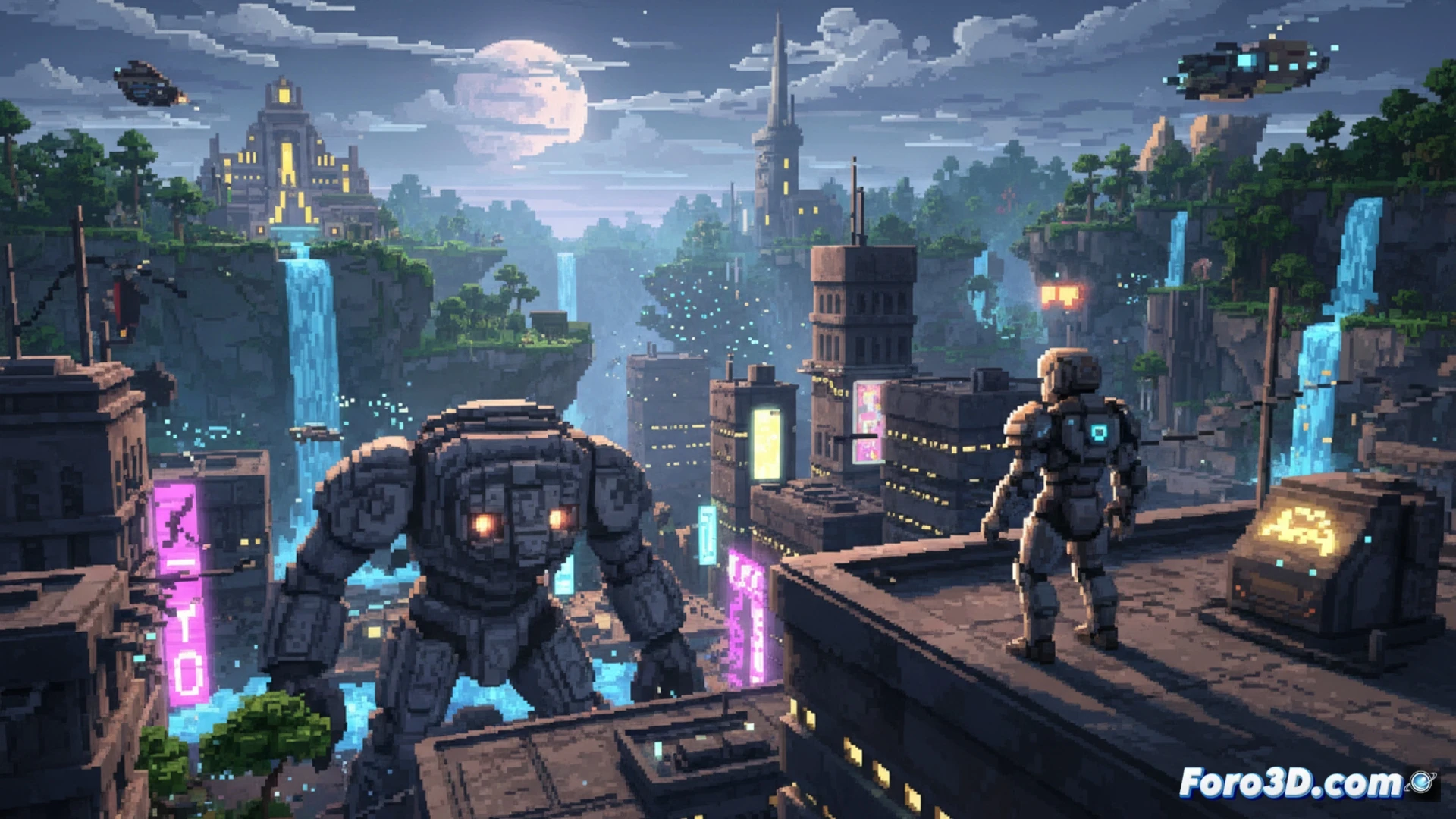
Pixel-art is no longer a relic of the past but has become a deliberate aesthetic choice in video game development. Independent studios and major productions alike turn to this technique not due to hardware limitations, but for its ability to evoke memories and offer visual clarity that other styles fail to achieve. Far from cheap nostalgia, well-executed pixel-art demands an artistic mastery that many current developers handle with precision.
Optimization and Limited Palettes as a Technical Advantage 🎮
From a technical perspective, pixel-art offers concrete advantages. Reduced resolution and limited color palettes decrease memory and processing consumption, allowing small studios to release smooth titles on modest hardware. Additionally, modern tools like Aseprite or Pyxel Edit facilitate frame-by-frame animation without relying on complex engines. This is not technical laziness: it is calculated efficiency that frees up resources to polish mechanics and narrative, two aspects that often shine brighter than hyper-realistic graphics.
When Pixel-Art is an Excuse to Avoid 3D Modeling 🖌️
Of course, not everything is virtuosity. Some developers embrace pixel-art because drawing a 16x16 pixel character is faster than sculpting a 3D model with PBR textures. And hey, that's not bad: sometimes a rough sprite of a warrior with four animation frames sells more than a polygonal doll with hair that looks like jelly. But if you see a pixelated game with shadows that don't match and colors that clash, it's not retro art: it's saving hours of work. And we buy it anyway.