The recent announcement of Physint, Hideo Kojima's new espionage title, not only promises an immersive narrative but also poses a colossal technical challenge. With the confirmation of the use of the Decima Engine, developed in collaboration with PlayStation, the studio aims to push photorealism to a level where materials and lighting respond organically to each player interaction.
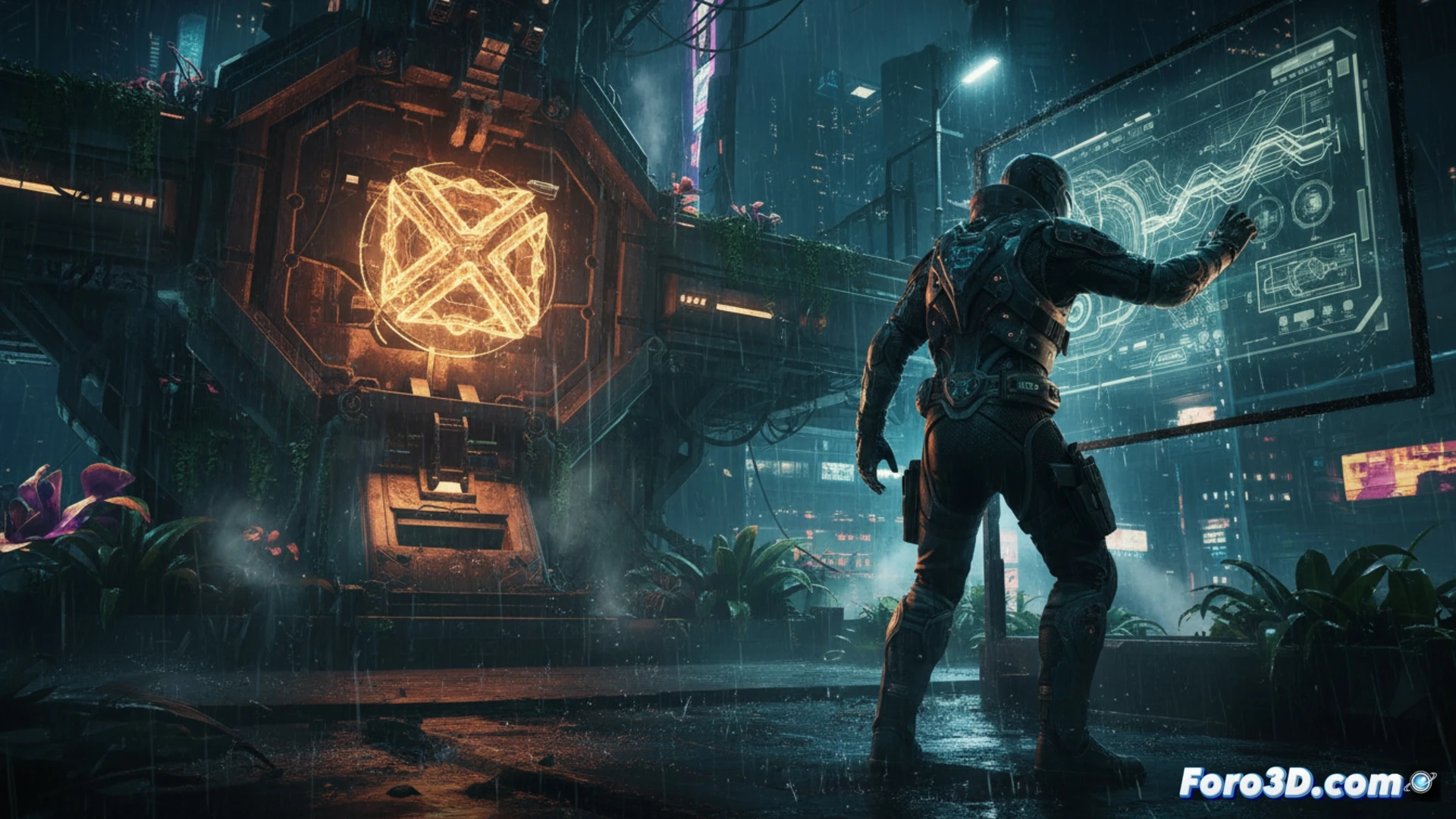
Technical Pipeline: From Maya and Houdini to Proprietary Rendering 🎮
The key to the graphical leap lies in the integration of industry-standard tools with the proprietary engine. According to initial details, Kojima Productions uses Maya for character rigging and animation, while Houdini handles the simulation of complex systems such as environment destruction or fluid dynamics. High-resolution modeling is done in ZBrush, but the real secret lies in the Decima pipeline, which processes these assets through a hybrid rendering system. This system combines rasterization and ray tracing to achieve global illumination that reacts in real-time to player actions, something critical for a stealth game where every shadow counts.
A New Ceiling for the Stealth Genre? 🕵️
Kojima's bet is not only technical but conceptual. By demanding almost cinematic visual fidelity in an interactive game engine, it forces the optimization of every polygon. The real question is whether this level of detail, bordering on hyperrealism, can be maintained in high-tension scenes with multiple agents and particle effects. If Decima manages to balance performance on the PlayStation 5 Pro, Physint could set a new standard for espionage game development, where technology not only beautifies but enhances gameplay.
As a developer, what technical aspects of the Decima Engine do you think will be key to achieving photorealism in the action and stealth sequences of Physint, and how will they affect the workflow in creating interactive environments?
(PS: shaders are like mayonnaise: if they break, you have to start all over again)