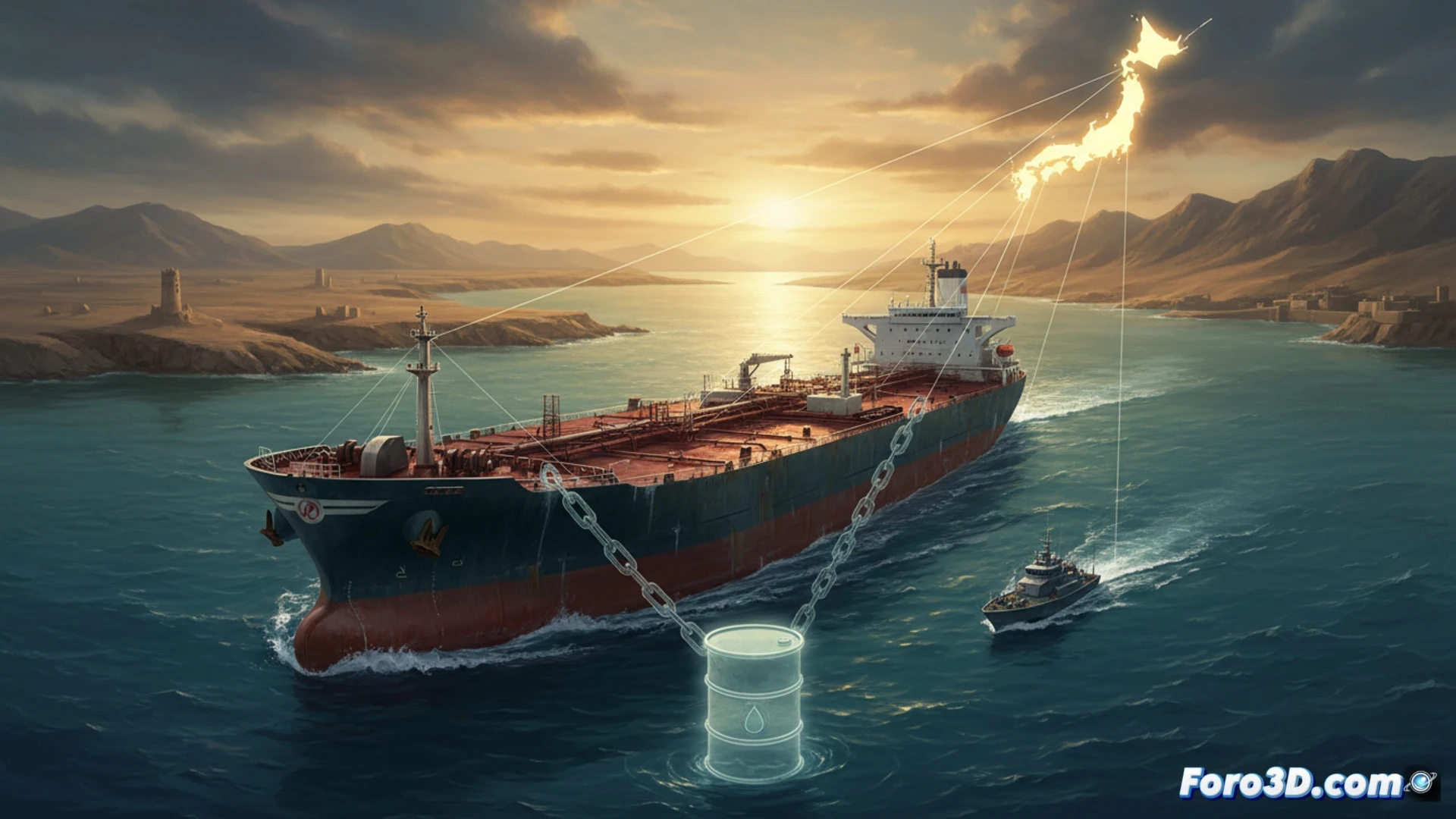
An oil tanker managed by a Japanese firm became the first vessel to cross the Strait of Hormuz after its recent blockade due to the escalation in the Middle East. It arrived in Japan on May 25 with three Japanese crew members and crude oil on board, underscoring the country's extreme energy vulnerability and the need for secure maritime routes for its supply.
Naval technology and alternative routes in focus 🚢
The successful crossing reignites the debate on interference-resistant navigation systems and naval escorts. Japan is exploring alternative corridors through the Red Sea or the Cape of Good Hope, although these add weeks to the journey. In parallel, double-hulled tanks and encrypted communication protocols are being analyzed to avoid blockades. The issue is not just diplomatic: it is logistical and technical.
The odyssey of getting home with a full tank ⛽
Three Japanese sailors returned home after what seems like a game of Risk on the high seas. The ship went from being a simple oil tanker to the protagonist of an action movie, only without explosions or Hollywood heroes. In the end, the lesson is clear: when the tap is turned off, even a routine journey becomes an epic.