3D technology allows oil workers to visualize geological formations before drilling, reducing risks and costs. For example, a three-dimensional subsurface model helps identify gas pockets or structural faults. Programs like Schlumberger's Petrel or GOCAD are used to process seismic data and generate these predictive models.
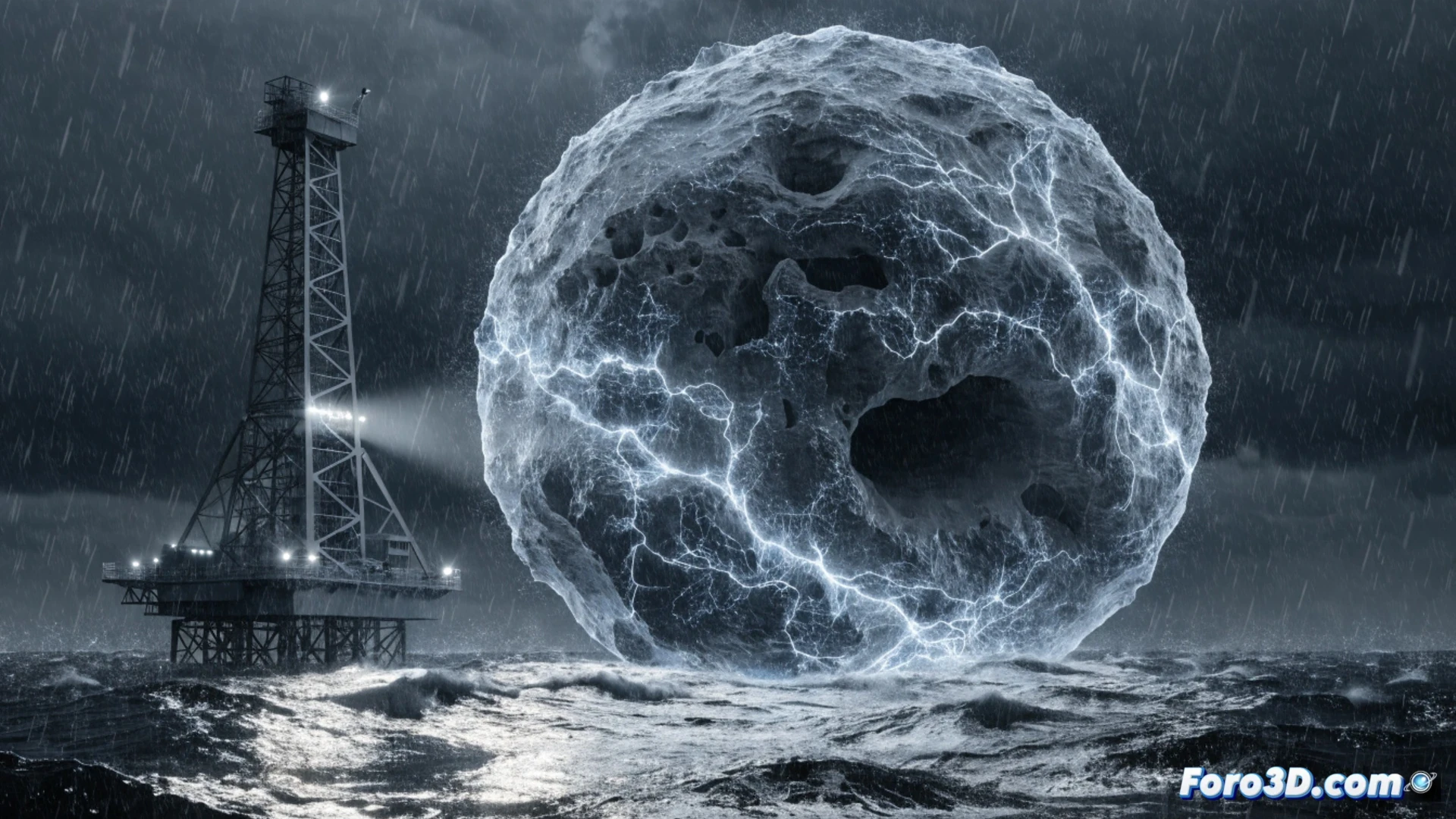
Reservoir modeling: from seismic to the virtual well 🛢️
The workflow begins with the interpretation of 2D/3D seismic lines in software like Kingdom Suite or OpenDtect. Then, tools like RMS or JewelSuite integrate well logs and petrophysical properties to create a volume model. This allows simulating hydrocarbon migration and planning the exact well location, avoiding costly deviations and dry holes.
The virtual hard hat that doesn't dirty your boots 👢
Before, veterans would sniff the ground to know where to drill. Now, with a 3D viewer and a coffee, any intern can tell the boss that his intuition was off by 50 meters. The best part is that if the model is wrong, they don't blame the software; they blame the one who entered the data. That's how progress works: more screens, less mud on the hands.