The Gulf states face a strategic dilemma: maintaining their historic military alliance with the United States or forging a more independent foreign policy. Growing regional instability, with tensions in Yemen, Syria, and the Iranian nuclear file, forces them to diversify partners without breaking key ties. It is not a divorce, but a calculated geopolitical polyamory.
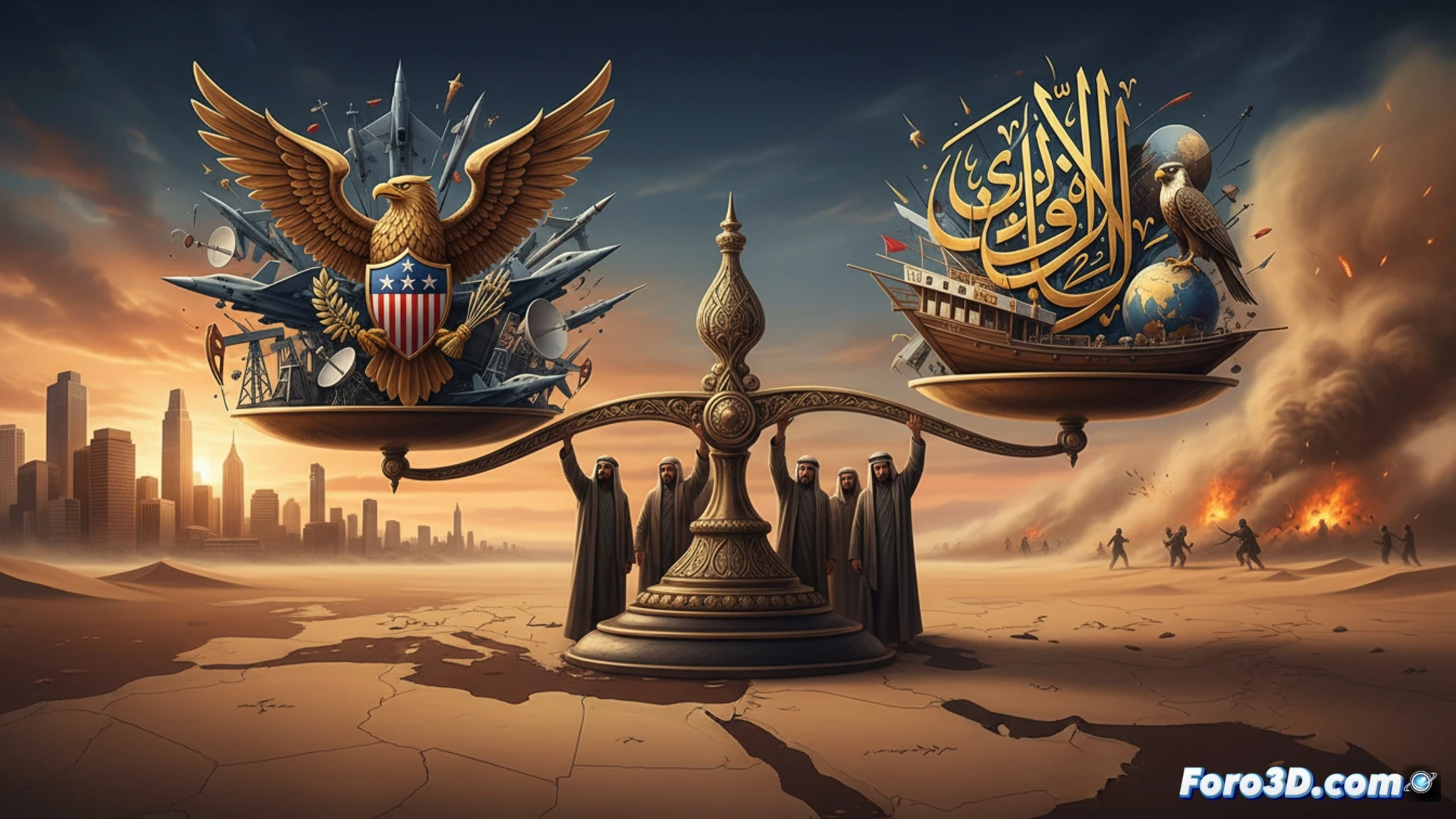
The software of diplomacy: defense systems and energy networks 🛡️
Technically, dependence on THAAD missile defense systems and Patriot radars limits any drastic shift. However, the UAE and Saudi Arabia are already integrating Chinese artificial intelligence platforms for refinery management, while Qatar tests Turkish drones for maritime surveillance. The paradox is clear: they upgrade their Western arsenal while plugging Eastern servers into the same power grid. Interoperability is the new battlefield.
The sheikh who wanted to be neutral (but his advisor reminded him of the F-35 contract) ✈️
Imagine the scene: a crown prince declares his diplomatic independence at a summit, and instantly his iPhone buzzes with a message from Washington reminding him of the fighter jet payment. The reality is that no matter how much Indian cotton they buy or how much they invest in Israeli startups, the military umbrella remains made in USA. As the local saying goes: you can buy the same perfume as your neighbor, but if he has the key to the bunker, the scent doesn't matter.