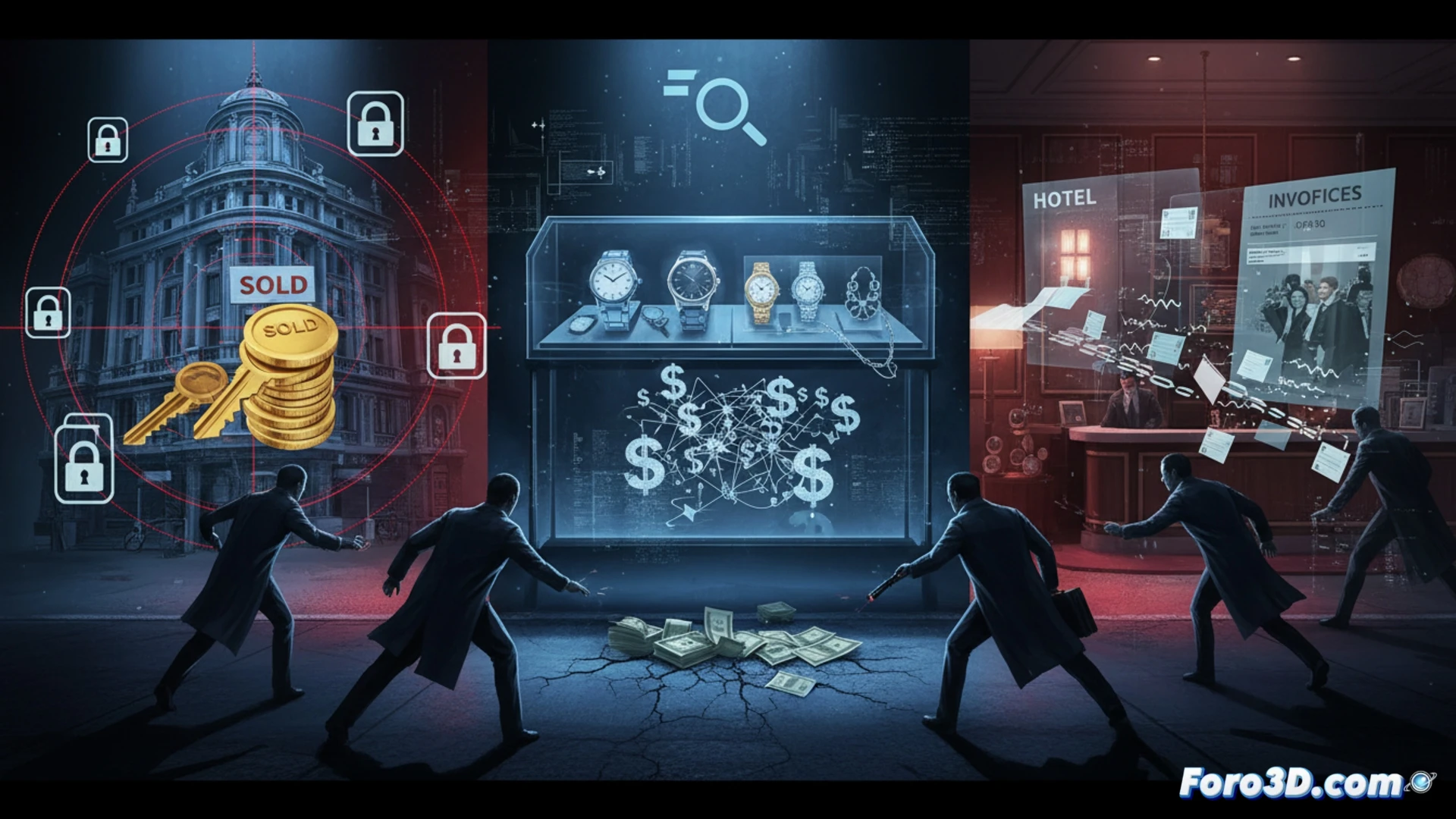
The new anti-money laundering strategy focuses on three key sectors: real estate, luxury goods, and hospitality. Authorities aim to shut down suspicious operations that use property purchases, watches, or hotel billing to conceal illicit money. Controls and inspections are being intensified.
Data and algorithms to detect opaque transactions 🧠
Technology plays a central role in this offensive. Massive data analysis systems are being implemented that cross-reference property records, bank transactions, and hotel billing. Algorithms identify anomalous patterns, such as property purchases well above market value or cash payments at luxury establishments. The goal is to reduce false positives and speed up alerts to the financial intelligence unit.
The hotel where the suite is paid for with a briefcase (and it's not for travel) 🏨
Hospitality has always been a classic. Nothing like billing a 20,000-euro dinner at a trendy beach bar to justify income. Of course, now you'll have to explain to the inspector why the reserve ham was paid for with 500-euro bills that smelled like a damp basement. Good thing luxury never goes unnoticed, except when they ask about the origin of the yacht.