The expansion of feral domestic dogs on the slopes of the Himalayas is generating a worrying phenomenon: hybridization with the Himalayan wolf (Canis lupus chanco). These canids, already facing habitat loss and poaching, are now seeing their genetic heritage diluted. A recent study in the Spiti region confirms that crossbreeding is more frequent than estimated, threatening the identity of this unique subspecies.
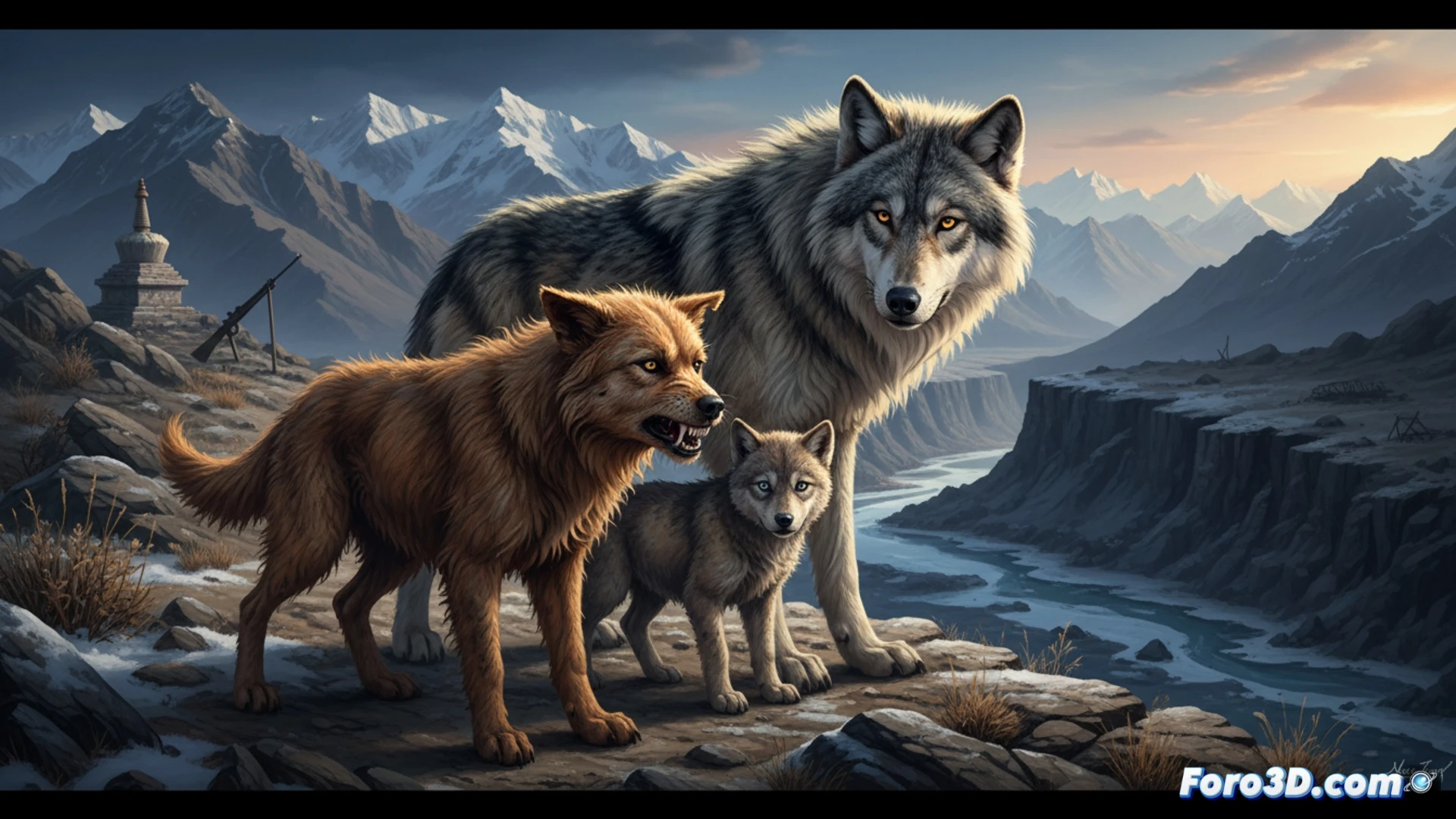
How genetics detects mixing in wild canids 🧬
To track hybridization, scientists use mitochondrial DNA analysis and microsatellite markers. By comparing samples from wolves, feral dogs, and hybrids, they identify specific alleles that reveal the degree of crossbreeding. A 2023 study in Conservation Genetics analyzed 120 fecal and hair samples, detecting that 15% of the wolves analyzed carried dog genes. This technique allows mapping critical areas where pressure from feral dogs is greatest, such as ecological corridors near human settlements.
The wolf that called an Uber and met a mutt 🐕
So it turns out the Himalayan wolf, that mystical animal of the heights, now has street relatives coming down from the villages. Nature, in its wisdom, decided that a cross between a wolf howling at the moon and a dog barking at motorcycles was a good idea. Soon we'll see packs arguing over whether to hunt a yak or wait for someone to toss them a lunch bone. Evolution, folks, sometimes has a sense of humor.