A biliary stent made of shape memory polymer failed to expand after implantation, causing a critical obstruction. The 3D expert analysis, using micro-CT and simulation in Ansys, determined that gamma radiation sterilization raised the material's glass transition temperature. This structural change prevented the activation of the memory effect, rendering the stent rigid and inoperative in the bile duct.
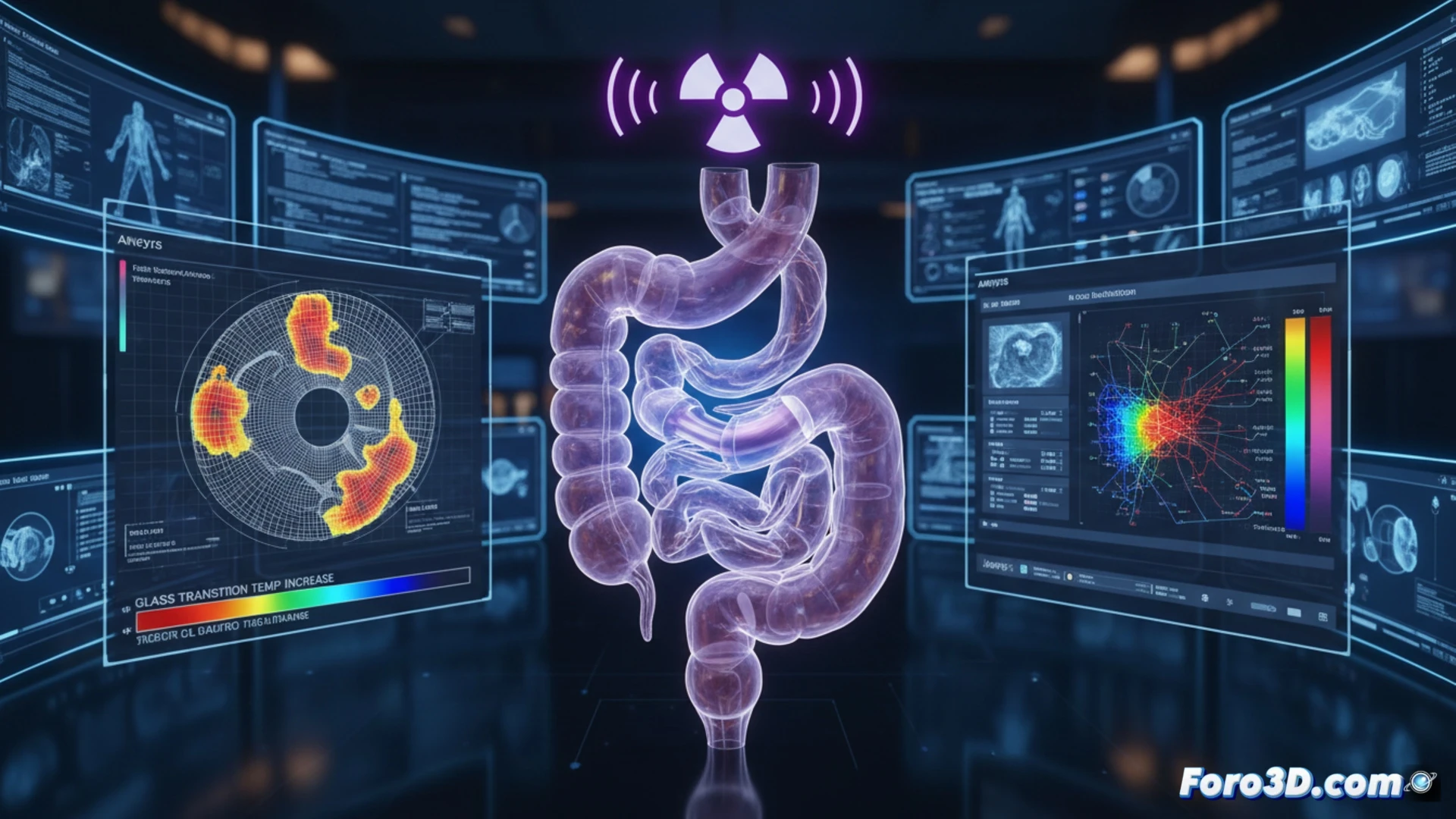
Forensic workflow: micro-CT, simulation, and CAD comparison 🔬
The forensic process began with micro-CT scanning of the explanted stent in VGSTUDIO MAX, generating a point cloud of the collapsed device. In Materialise Mimics, the polymer volume was segmented to isolate the actual failure geometry. Subsequently, the model was imported into Ansys to run a shape memory simulation, applying body thermal conditions. The result showed that, under the parameters of the radiation-altered material, the programmed expansion did not occur. Direct comparison with the original CAD design confirmed that the acquired rigidity prevented the necessary elastic recovery.
Implications for quality control in implantable devices ⚙️
This case highlights the need to validate sterilization processes in shape memory polymers. Gamma radiation, although effective for microbial load, can modify the material's molecular network and shift its glass transition temperature. The 3D expert analysis not only identified the cause of the failure but also establishes an analysis protocol for future developments, requiring post-sterilization thermal tests to ensure programmed expansion in the physiological environment.
Since the 3D expert analysis identified that gamma radiation altered the crystallinity of the shape memory polymer, what predictive simulation methodology would you recommend to verify the stent's resistance to sterilization degradation before manufacturing?
(PS: and if the printed organ doesn't beat, you can always add a little motor... just kidding!)