Looking ahead to the 2027 presidential elections, columnist Stéphane Lauer raises a crucial dilemma: to what extent can a nation finance its past while protecting its future? The debate on intergenerational solidarity requires balancing yesterday's promises with investment in tomorrow, preventing current burdens from mortgaging the opportunities of the young. It is time to address this challenge with honesty.
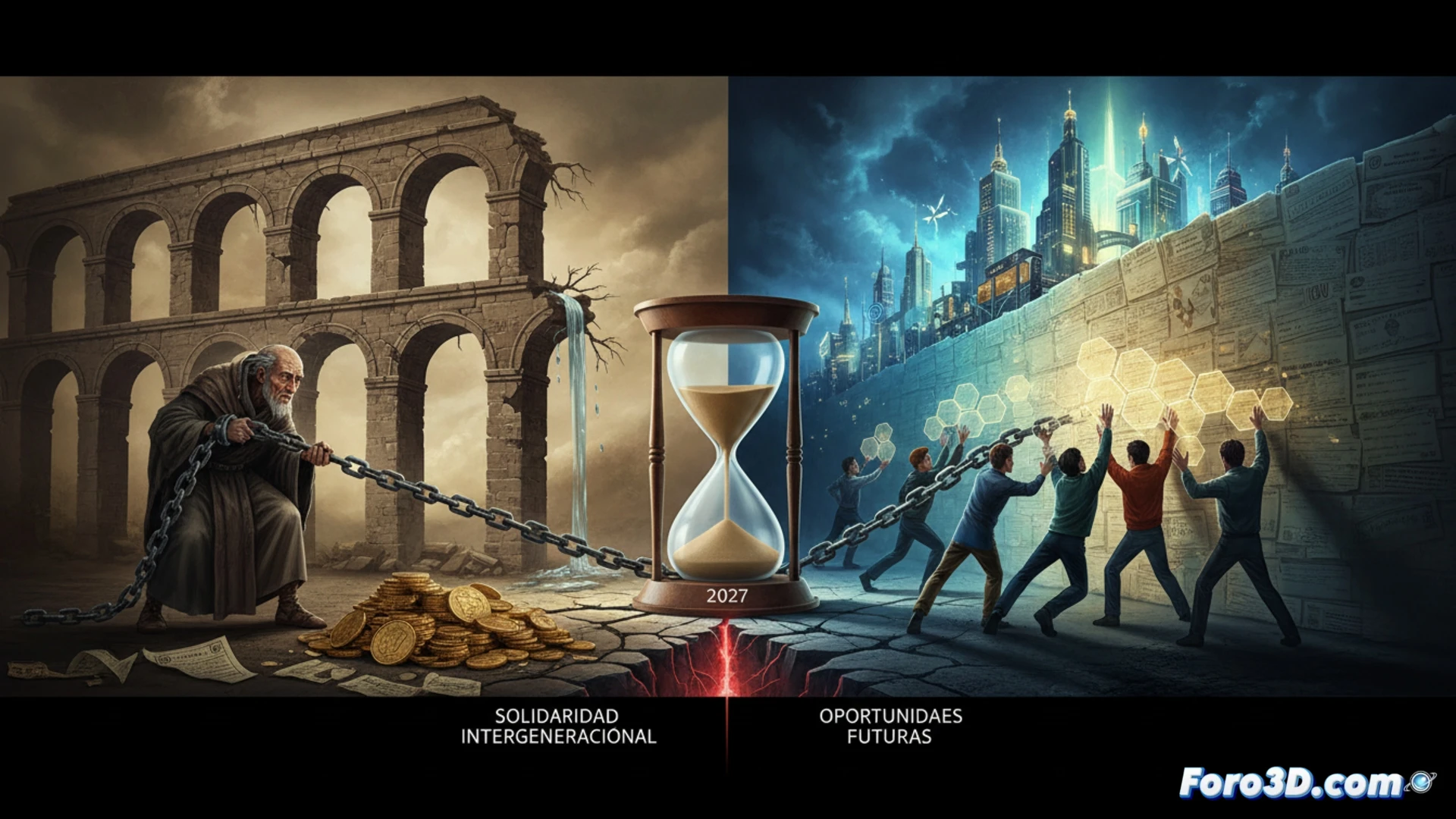
Fiscal technology: algorithms for real sustainability ⚙️
Artificial intelligence applied to fiscal data management allows modeling long-term public spending scenarios. Predictive simulation systems can calculate the impact of each reform on the deficit and debt, offering governments tools to adjust pension spending without sacrificing R&D or education budgets. However, the accuracy of these models depends on reliable data and the political will to implement the reforms they suggest.
The fiscal time machine (without guaranteed results) ⏳
While algorithms predict bleak futures, politicians prefer to consult the crystal ball of polls. They promise to maintain the welfare state without saying how to pay for it, like someone who assures their car runs on hope and good intentions. Perhaps the next president should incorporate a fiscal airplane mode: disconnect impossible promises and land in the reality of the numbers.