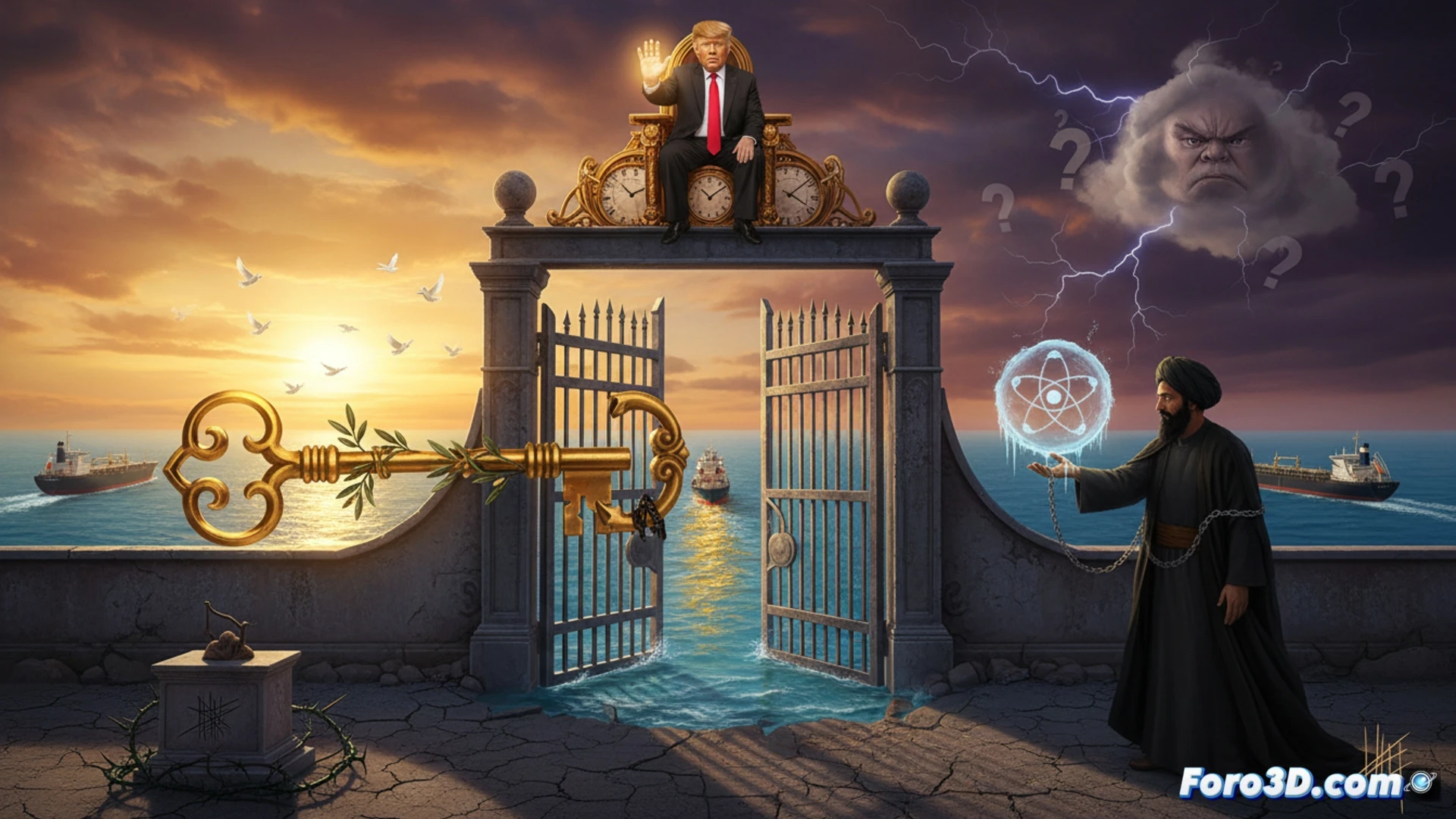
A possible peace agreement between the United States and Iran has taken shape, with the reopening of the Strait of Hormuz and the lifting of sanctions as bargaining chips in exchange for Tehran freezing its nuclear program. However, President Trump has requested additional days to make a final decision, leaving the markets in suspense. For citizens, this translates into a lower probability of armed conflict and greater stability in oil prices, although mutual distrust keeps the agreement in a delicate balance.
Verification technology: the challenge of monitoring Iranian uranium 🛰️
The technical core of the pact lies in nuclear monitoring systems. Iran would have to allow surprise inspections by the IAEA and the installation of high-resolution cameras and gas flow sensors in its centrifuges at Natanz and Fordow. Additionally, digital seals would be implemented on enriched uranium containers. The real challenge is not the hardware, but the analysis software: algorithms must distinguish between civilian and military use. Without continuous access to data, any agreement is worthless on paper.
Trump asks for a long weekend to decide whether to avoid World War III ⏳
While the world holds its breath, Trump asks for a few extra days to review the agreement, like someone asking for time to read the fine print of a phone contract. The White House argues that he needs to consult with his advisors, although some suspect he just wants to see how crude oil prices react before signing. If peace depended on a reflection period, someone should remind the president that the nuclear button has no snooze option.