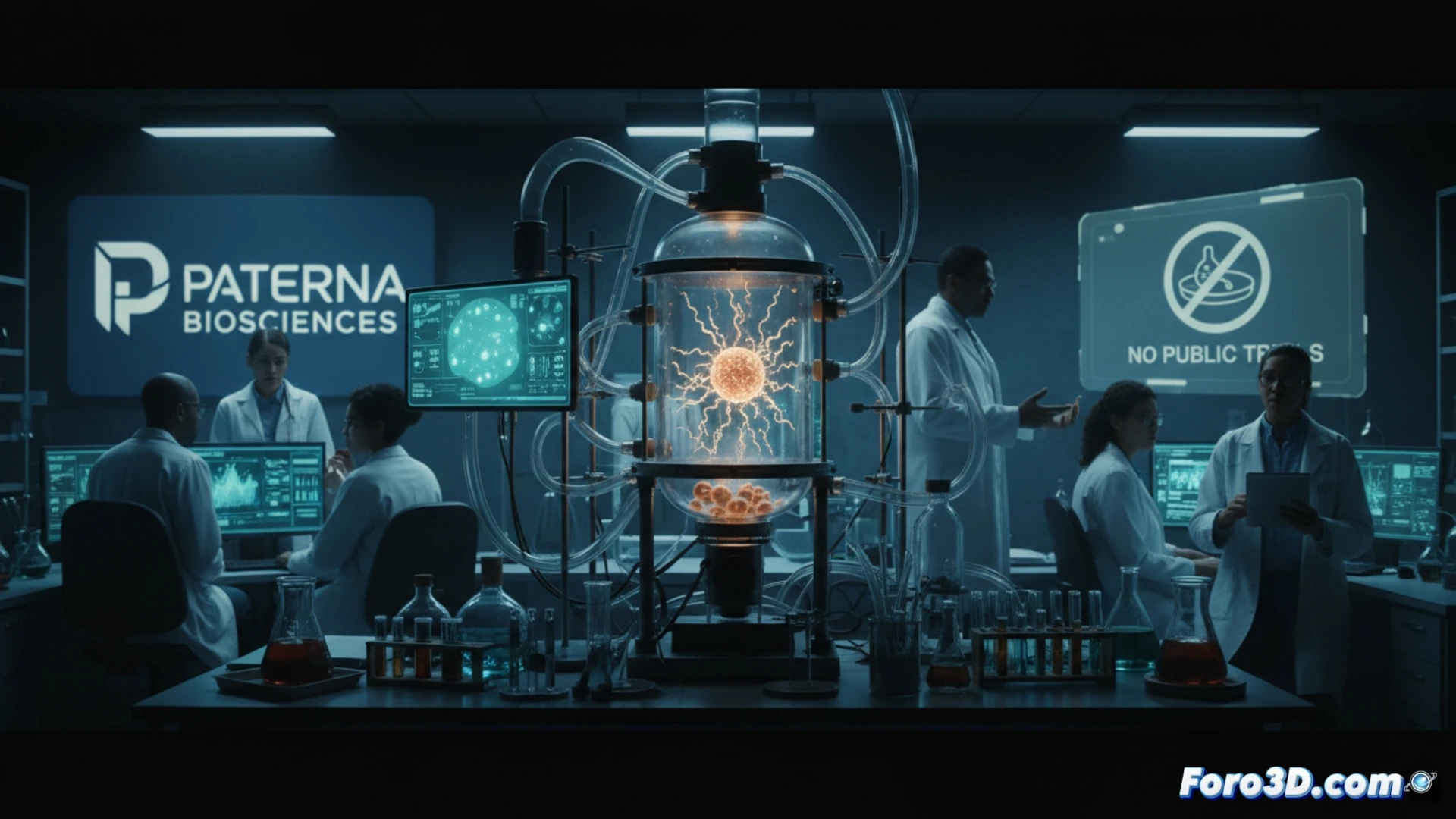
Paterna Biosciences claims to be able to generate sperm in the laboratory from testicular stem cells in just one month, offering a potential solution for male infertility. However, the lack of public evidence of their results has generated strong skepticism among the scientific community, which demands validation before considering the technique viable.
The technical process and the shadow of genetic editing 🧬
The proposed method involves extracting stem cells from the testicles and reprogramming them to become functional sperm within a period of 30 days. Experts warn that the technique could require genetic editing to correct chromosomal abnormalities, which would open the door to genetically modified children. Without replicable data or peer-reviewed studies, the announcement remains in the realm of promise.
One month to create life: faster than booking a doctor's appointment ⏱️
The idea of manufacturing sperm in 30 days sounds so efficient that even Amazon's delivery service would be proud. Meanwhile, fertility patients wait months for basic analyses. The curious thing is that, without evidence, Paterna Biosciences' greatest feat might be generating more skepticism than sperm.