A group of PHP libraries was compromised with a virus designed to steal passwords. Those who integrated these packages into their projects had their data exposed. The attack serves as a reminder that using open-source code without control can have serious consequences. It is recommended to update to secure versions and verify the integrity of each dependency.
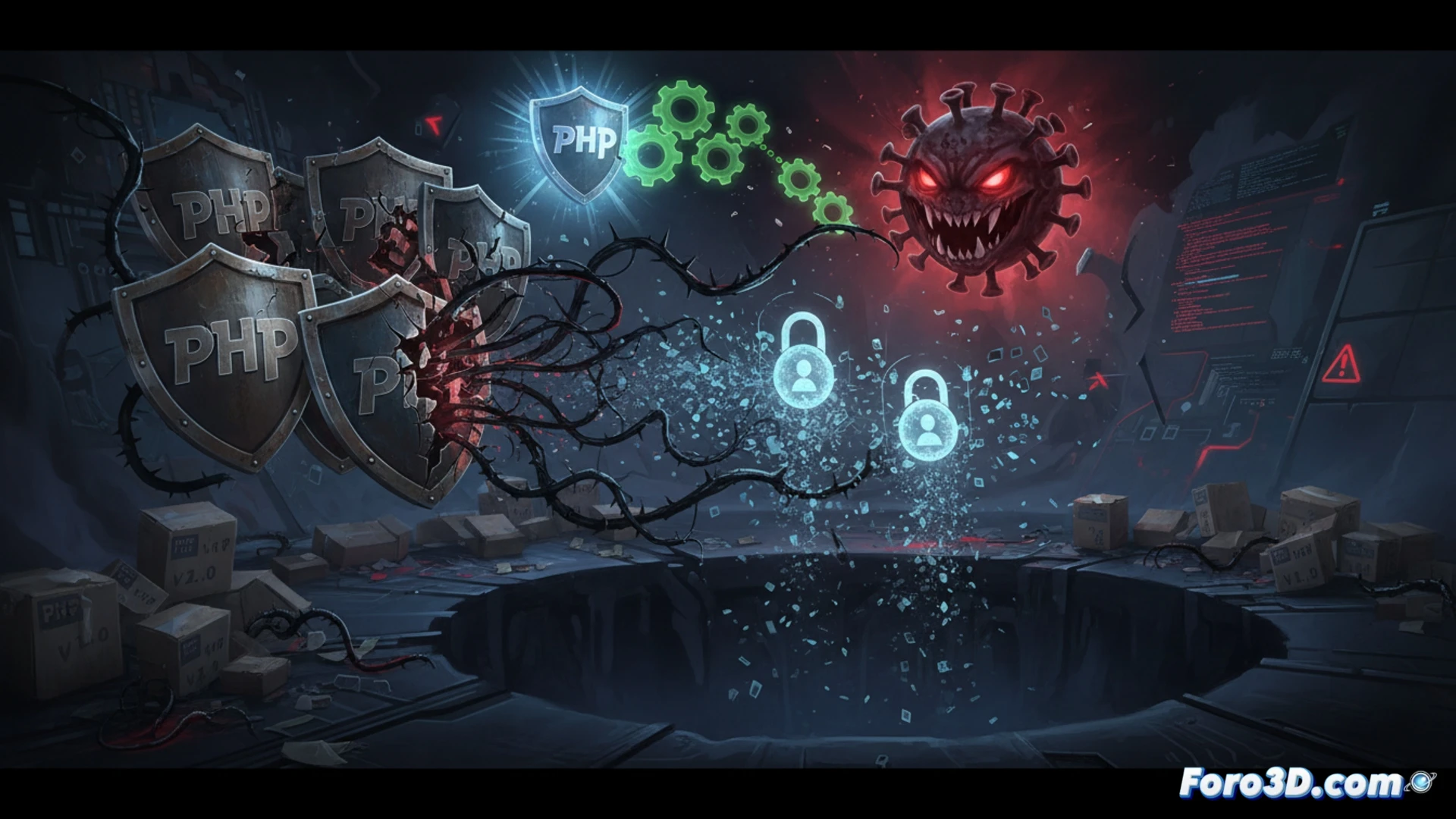
How dependency control prevents attacks on your stack 🛡️
The infection spread through official repositories, where attackers inserted malicious code into specific versions of the packages. When executed on the server, the malware extracted credentials stored in environment variables or configuration files. To mitigate risks, it is key to use software composition analysis (SCA) tools and maintain a hash record of each dependency. The lesson is simple: do not blindly trust what you download.
The day your package manager stole your password 😅
It turns out the biggest security risk was not a hooded hacker, but a simple composer install. Now developers look at their composer.json files as if they were classified documents. Next, we'll be asking the server to blow before running a require. Good thing open source is free, because the peace of mind it provides has to be paid for separately.