The war in Ukraine and the conflict in Iran have exposed a harsh reality for NATO: weapons production is insufficient. An allied military source confirmed that the closure of the Strait of Hormuz disrupts global supply chains, delaying critical defense systems for Europe and Ukraine. The tension materialized with an air alert in Finland that closed Helsinki airport due to unidentified drones.
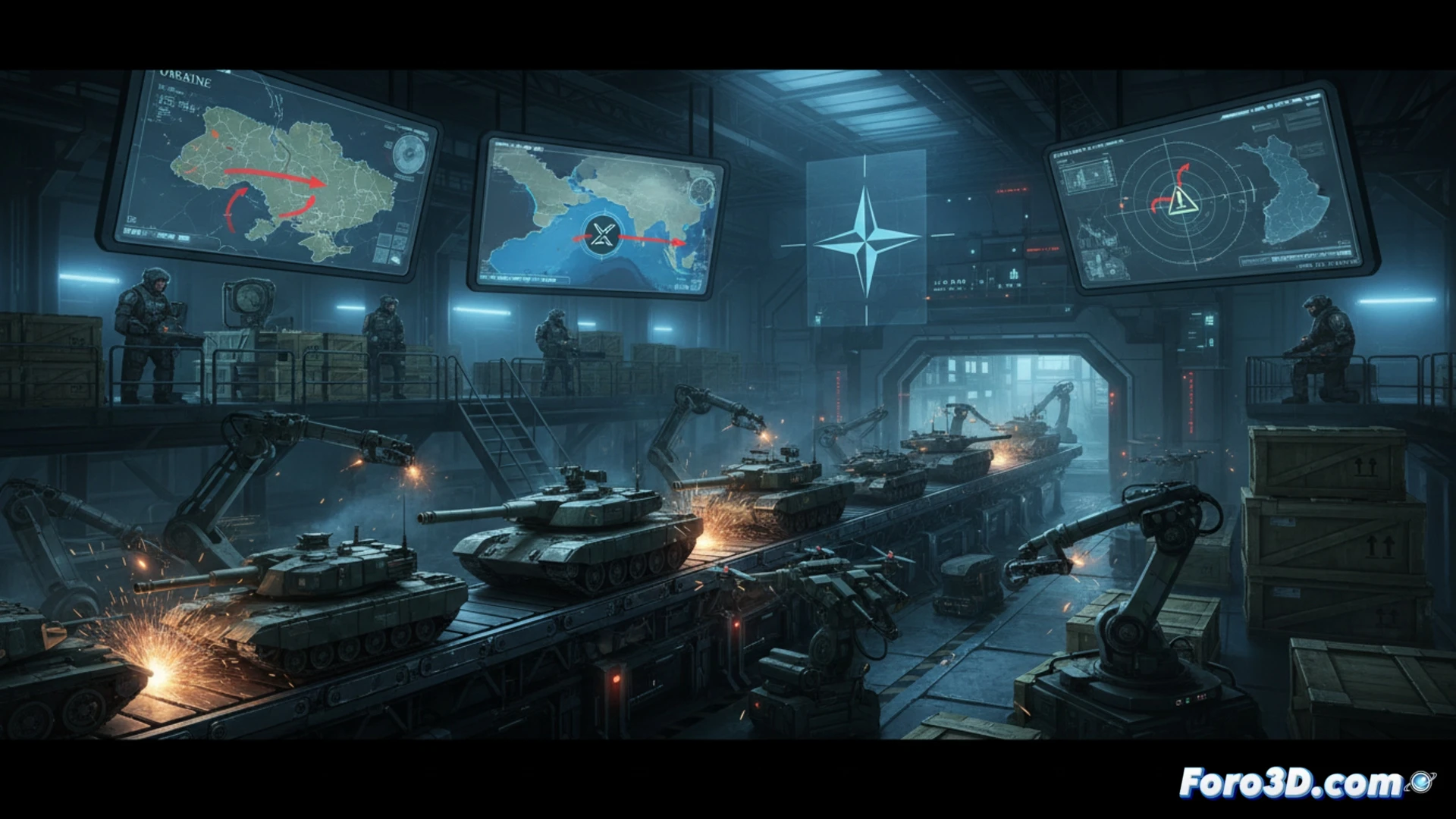
Defense systems and supply chain under pressure 🚨
Anti-aircraft systems purchased by European countries, such as NASAMS or IRIS-T, depend on components manufactured in Asia and the Persian Gulf. With Hormuz blocked, the maritime transport of semiconductors and special alloys has become 40% more expensive. Assembly lines in Europe operate at 60% capacity due to a lack of parts. The alert in Helsinki showed that even Nordic countries, with robust air defense, require faster response times.
Finnish drones: the neighbor you don't invite to dinner 🛸
The drones that flew over Finland were not tourists looking for the Northern Lights. They forced the closure of Helsinki airport, causing the typical chaos of a rainy Monday. While NATO asks for more missiles, some Russian or Iranian pilot laughs with a toy drone bought on AliExpress. At least the Finns have an excuse to miss work: blaming geopolitics.