Osamu Dezaki, who passed away in 2011, left an indelible mark on Japanese animation. His techniques, such as frozen postcards and the dramatic use of shadows, became standard tools in the visual language of anime. With theatrical direction and highly pronounced lighting, Dezaki knew how to extract emotion from every scene, turning key moments into authentic living paintings.
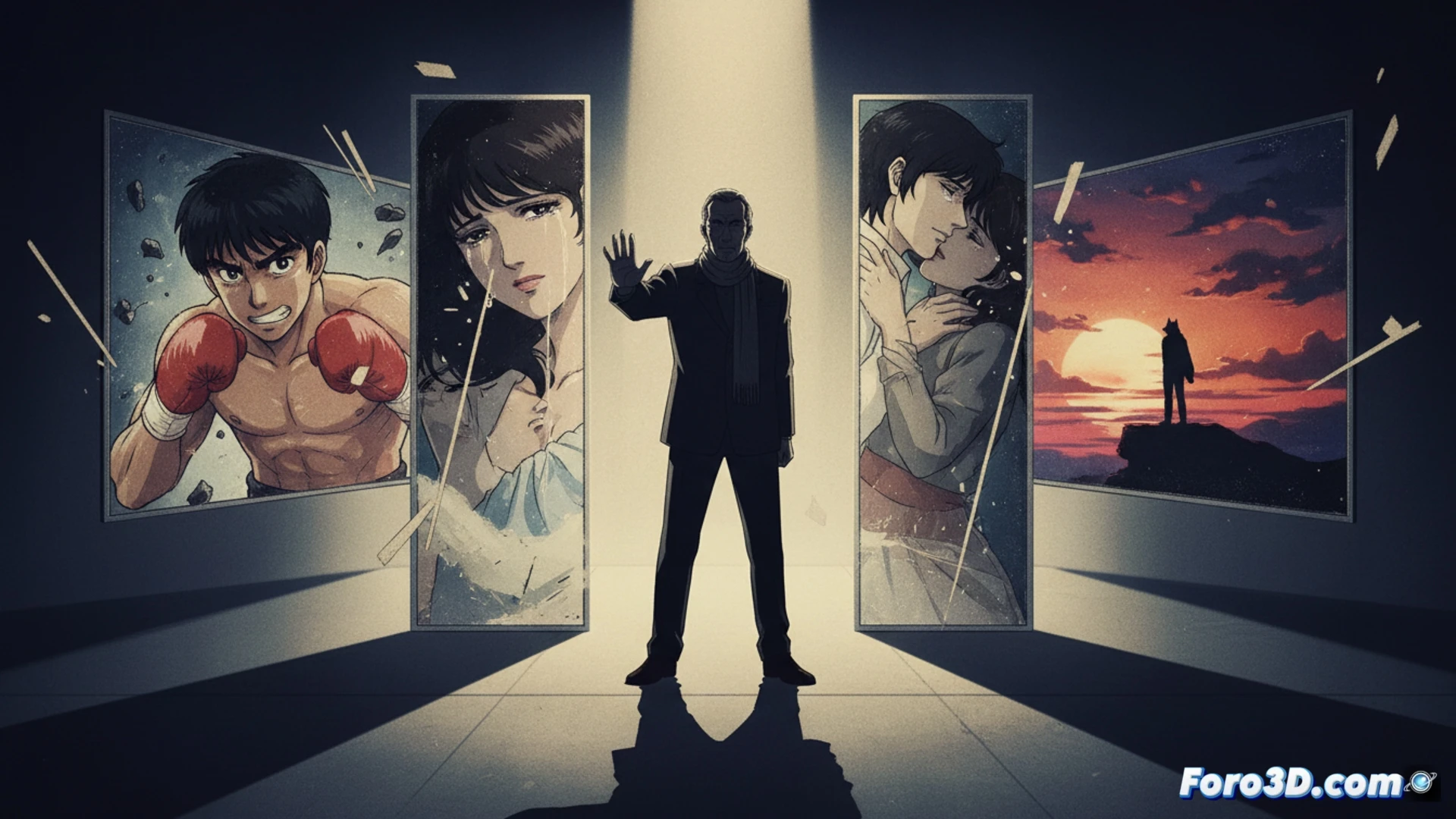
Frozen Postcards: When Anime Stops to Make an Impact 🎬
The postcard memories technique was not a simple budget-saving trick. Dezaki used hand-painted shots, freezing the action right at the emotional climax. To this, he added an expressive use of lighting, with harsh shadows and extreme contrasts reminiscent of film noir. The result was a powerful visual narrative, where each frame carried the weight of a theatrical stage. Works like Ashita no Joe or The Rose of Versailles are the best examples of this approach.
The Trick Every Modern Animator Uses Without Knowing It ✨
Today, any animation student uses Dezaki's frozen postcards without knowing they are copying a man who worked with photocopies and markers. The technique has become so common that it seems like a basic resource, but in the seventies it was a revolution. Ironically, Dezaki applied it to save time, and now we use it to look like artists. The director's legacy is so great that even those who don't know him imitate him.