The Strait of Hormuz is once again the scene of a high-voltage geopolitical standoff. After a truce that never fully consolidated, Iranian forces and the United States Navy have reported incidents that raise tensions on this key route for oil transit. Iranian officials warn of closing the passage if they feel cornered, while Washington responds by sending more naval assets to the region.
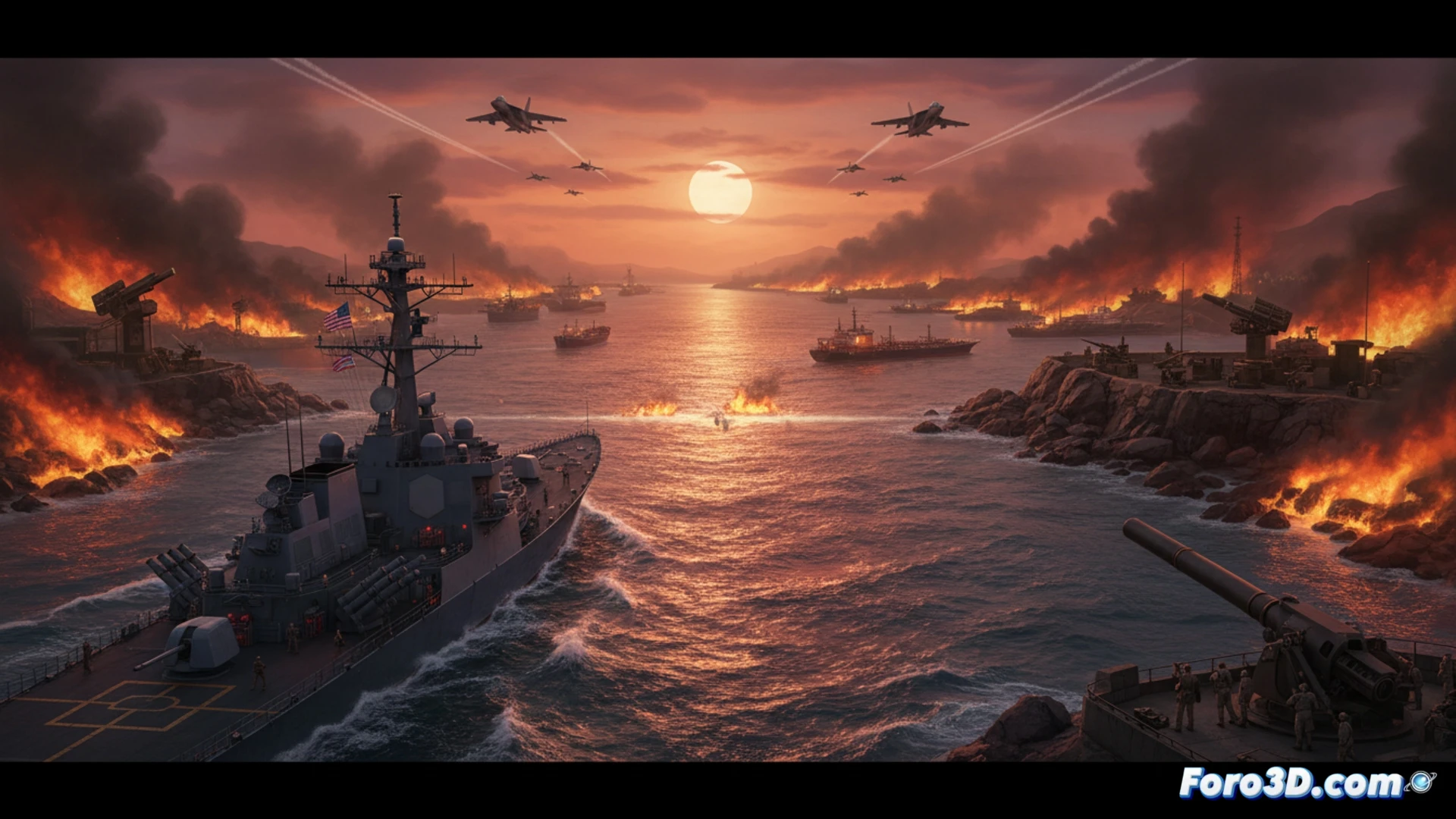
Deterrence technology: missiles and electronic warfare in the Gulf ⚔️
The standoff in Hormuz is not only fought with ships. Iran has deployed short and medium-range anti-ship missile systems, such as the Noor and Qader, along with Shahed-136 attack drones, which can operate in swarms. For its part, the US Fifth Fleet uses Arleigh Burke-class destroyers equipped with the Aegis system, capable of intercepting missiles in flight. Electronic warfare also plays a role: interference with GPS signals and radio frequency communications is reported, seeking to disorient the fleets without firing a single projectile.
The strait closes, oil rises, and you're on a bike 🚲
While leaders debate whether the strait closes or opens, the rest of the world prepares to pay double for gasoline. Because, of course, nothing like a dispute between powers to remind us that the price of crude depends on a 33-kilometer-wide water channel. Meanwhile, Iranians threaten with missiles and Americans respond with aircraft carriers, while you just hope the next tank fill-up doesn't cost a mortgage. Diplomacy, that great forgotten one, seems to be on vacation in the Maldives.