The UN intensifies efforts to ensure the transit of fertilizers through the Strait of Hormuz, a critical route for global food security. The organization warns that vulnerable nations in Africa and Asia could face shortages during the planting season, threatening hunger for some 45 million people. The disruption of these shipments, vital for agricultural production, would worsen an already latent humanitarian crisis.
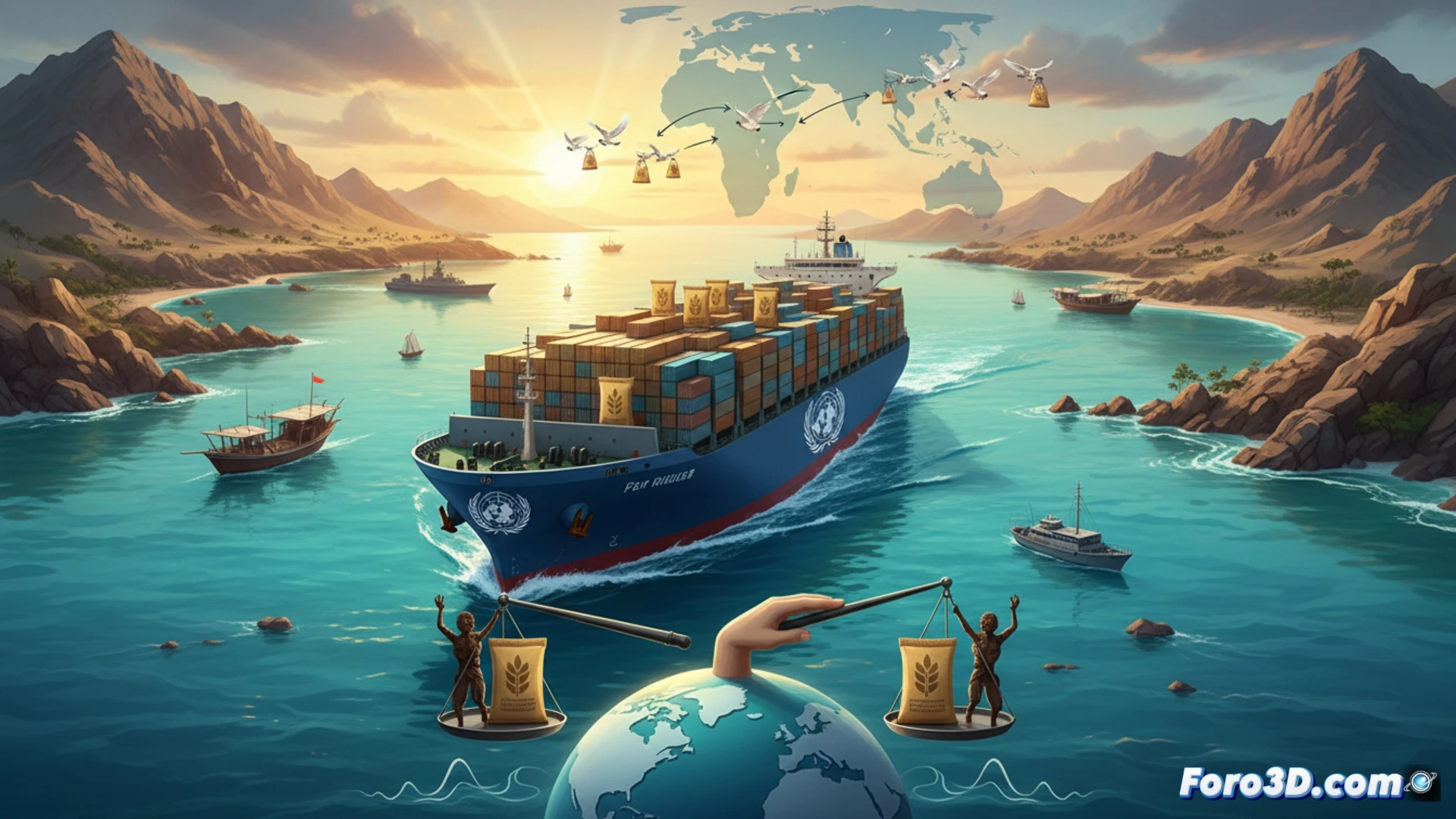
Sensors and logistics to navigate a geopolitical bottleneck 🛰️
The complexity of transit through Hormuz demands real-time technical solutions. The use of satellite monitoring systems and smart beacons on ships is being evaluated to track urea and phosphate shipments. Additionally, secure corridors with naval escort and remote inspection protocols are being negotiated. Port automation at key unloading points, such as Mombasa or Karachi, aims to speed up distribution, reducing the risk of fertilizers deteriorating or being diverted along unstable alternative routes.
The drama of crops: when fertilizer is more valuable than oil 🌾
While wealthy countries debate electric cars, the UN negotiates like a spice merchant to ensure bags of urea arrive on time. It's curious: the world can shut off oil taps, but if fertilizer is lacking, rice doesn't grow, and geopolitics becomes a garden drama. In the end, hunger doesn't understand sanctions, only lost harvests. Perhaps next we'll see the UN ordering a collective Uber for fertilizers.