The animated adaptation of One Piece abandons continuous broadcasting to adopt a seasonal model. This decision aims to prevent the anime from catching up to Eiichiro Oda's manga, a problem that led to extensive filler episodes and drops in animation quality. With shorter seasons, the studio can better plan resources and deliver a more polished visual product.
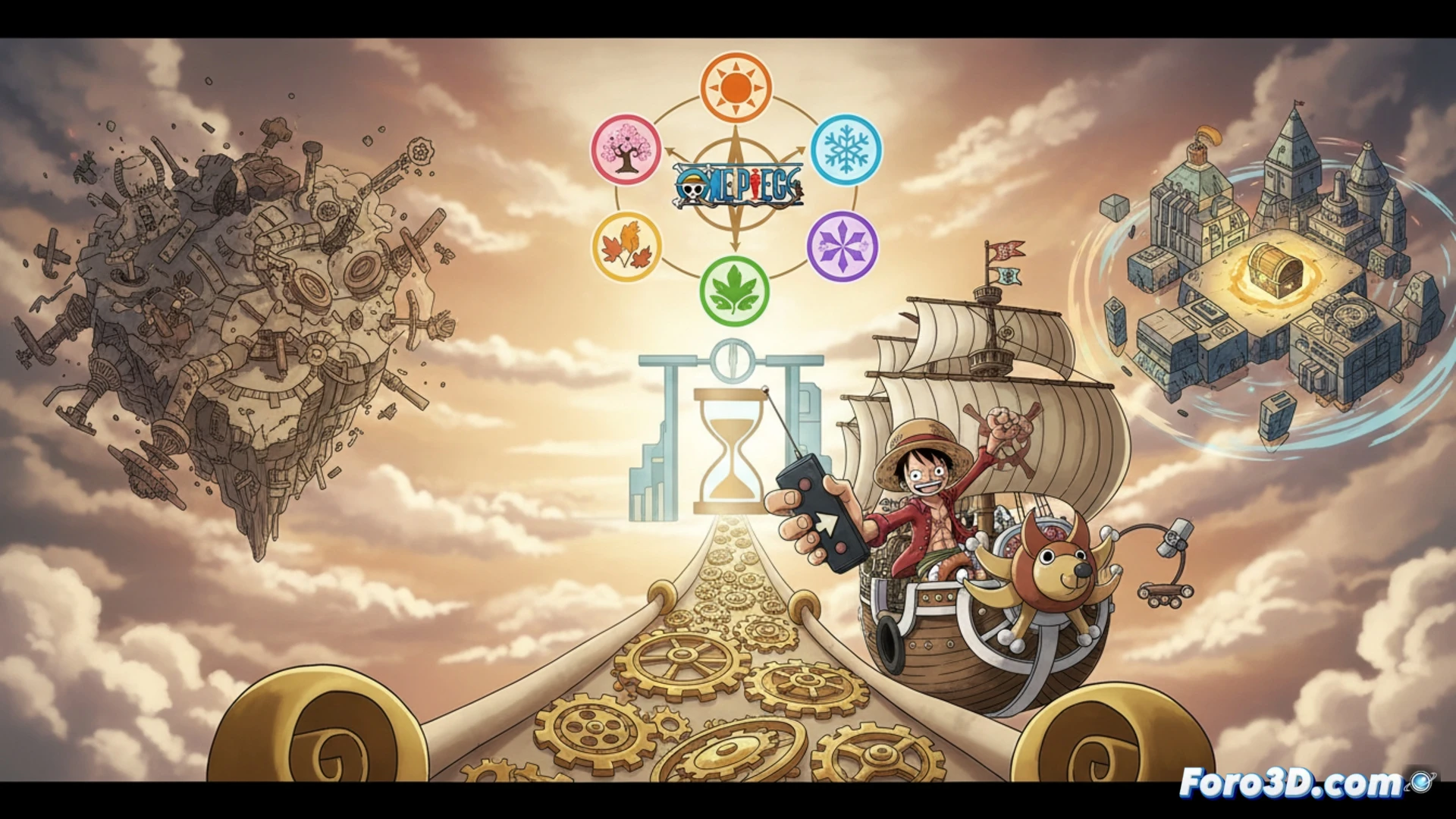
How the Technical Pause Raises the Production Standard 🎬
By separating production into seasonal blocks, the animation team has more time to correct drawing errors, adjust action timing, and refine key visual effects. Dependence on external teams is reduced, and burnout among internal animators is avoided. Additionally, the workflow allows for better synchronization of story arcs with the source material, eliminating the need for filler episodes that disrupt the narrative pace.
Goodbye to Filler, Hello to Fans with Infinite Patience ⏳
The community now waits months between seasons, sparking wild theories and endless debates on forums. That said, at least the next filler won't be a giant snail race or a fishing tournament on the ship. Veteran fans will fondly remember those episodes where nothing progressed. Now it's time to wait, but with better animation.