WHO Director Tedros Adhanom Ghebreyesus has denounced a new attack on medical personnel in southern Lebanon. Three health workers were injured in Deir Kifa while serving in an area occupied by Israeli forces. Since March 2, the WHO has recorded 152 attacks on healthcare, with 103 dead and 241 injured. Tedros called for the protection of patients and health facilities.
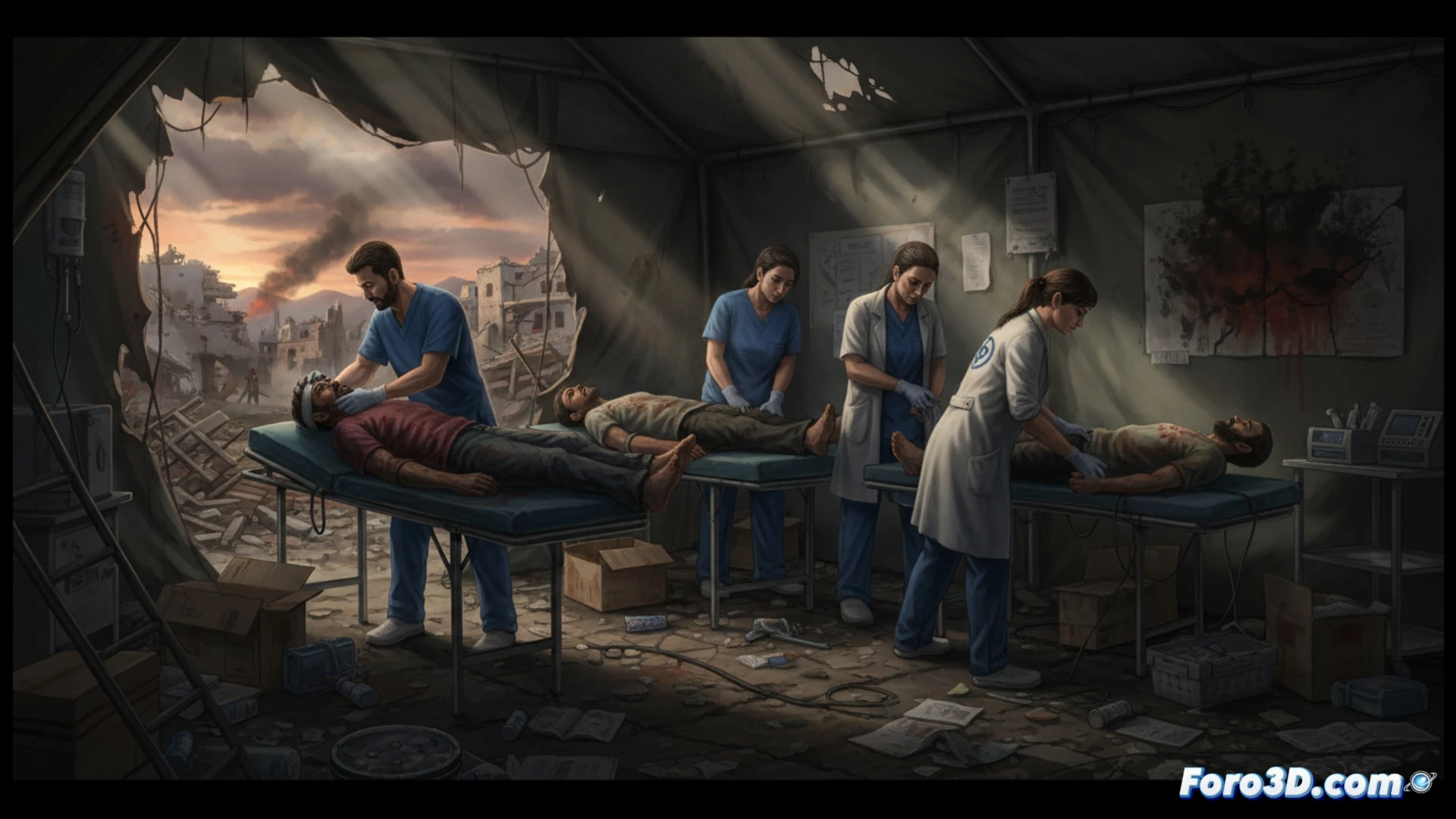
Drones and geolocation systems: the map of healthcare violence 🗺️
The WHO uses geographic information systems to track these incidents in real time. The data is cross-referenced with satellite imagery and field reports to identify patterns of attacks on ambulances and hospitals. The technology reveals that 60% of attacks occur in areas with heavy artillery presence. However, the precision of these systems does not prevent a laser-guided missile from striking a vehicle with clear Red Cross emblems.
The WHO calls for peace, but missiles don't read reports 🚀
While Tedros calls for protecting health workers, some pilot in a hurry must think an ambulance is a taxi with stickers. 152 attacks in two months are not a streak of bad luck; they are a record that even the worst football team could not achieve. Friend-or-foe identification technology seems to have a flaw: it cannot distinguish between a paramedic and a target. Perhaps drones should be programmed to read WHO statements before firing.