Oliver Sacks's confession about falsifying details in his work The Man Who Mistook His Wife for a Hat has reopened the debate about the value of his legacy. Sacks admitted to altering facts to embellish his clinical narratives, raising questions about ethics in science communication. His texts, once considered bridges between neurology and humanity, are now examined under a critical lens that separates documentary truth from literary narrative.
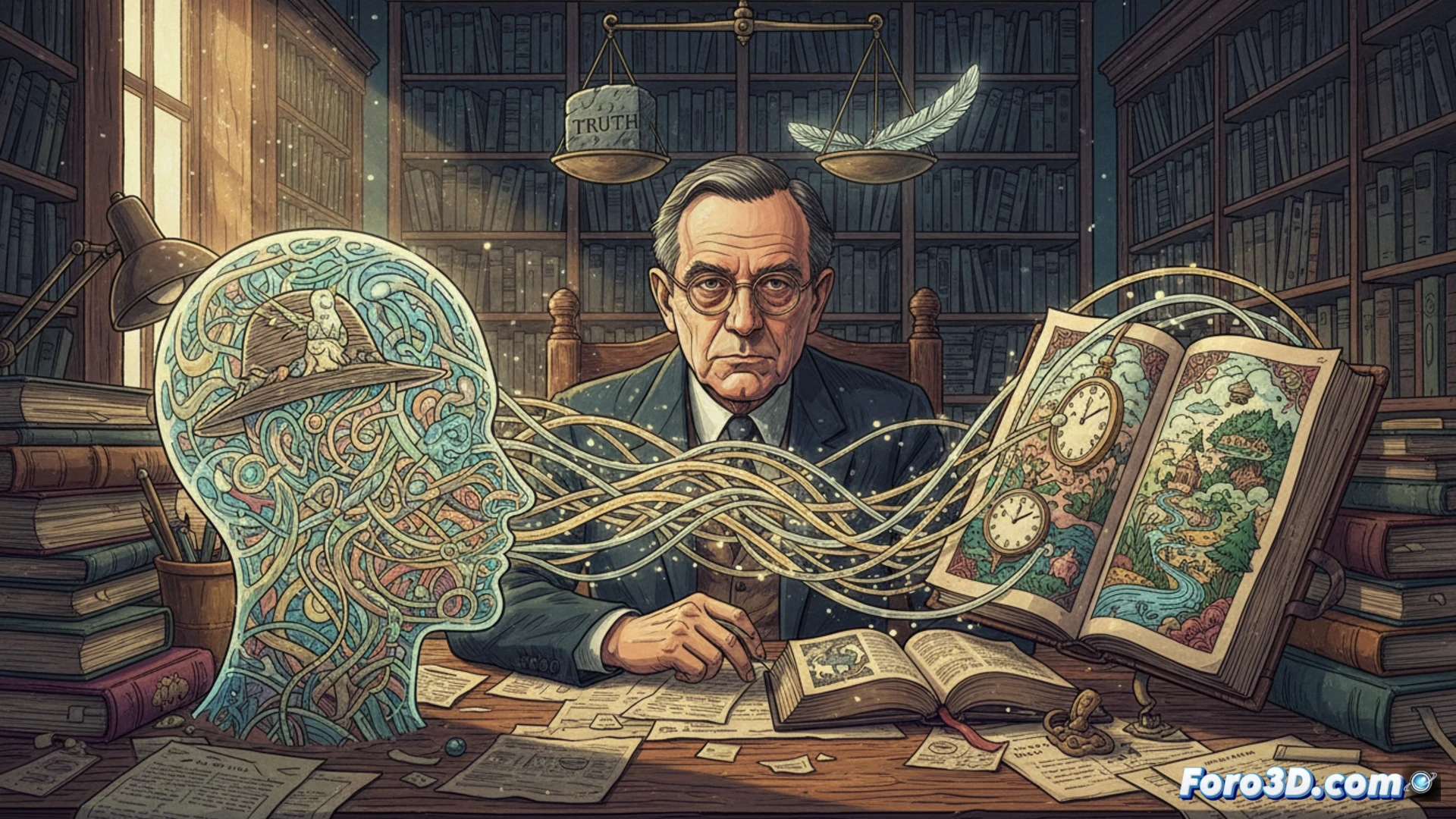
How to verify data in clinical narratives with modern tools 🧐
To avoid these dilemmas, technical writers can use data verification software like FactCheck or clinical feasibility analysis platforms. These tools cross-reference medical databases and anonymized patient records. A rigorous workflow includes peer review and transparency in author's notes. Sacks failed to document his deviations, something today resolved with digital annotations and metadata that preserve case integrity without sacrificing narrative.
The creative writer syndrome: when facts get in the way 🤔
What happened to Sacks happens to many: reality wasn't dramatic enough. A patient with amnesia doesn't just forget their dog's name, but also dinner time. But that doesn't sell books. Sacks preferred a Netflix script over a boring medical report. In the end, his legacy is like a hat that fits no one: pretty, but ill-fitting. The moral: if you're going to invent, at least put up a sign that says fiction.