Hideo Kojima once again pushes the boundaries of the medium with OD, an experimental horror project that aims to blur the line between cinema and video games. To achieve this, the studio has deployed a cutting-edge technical arsenal where facial photorealism is key. The combination of Unreal Engine 5 with MetaHuman Creator and Kojima Productions' performance capture pipeline promises a level of emotional detail never before seen in an interactive digital character.
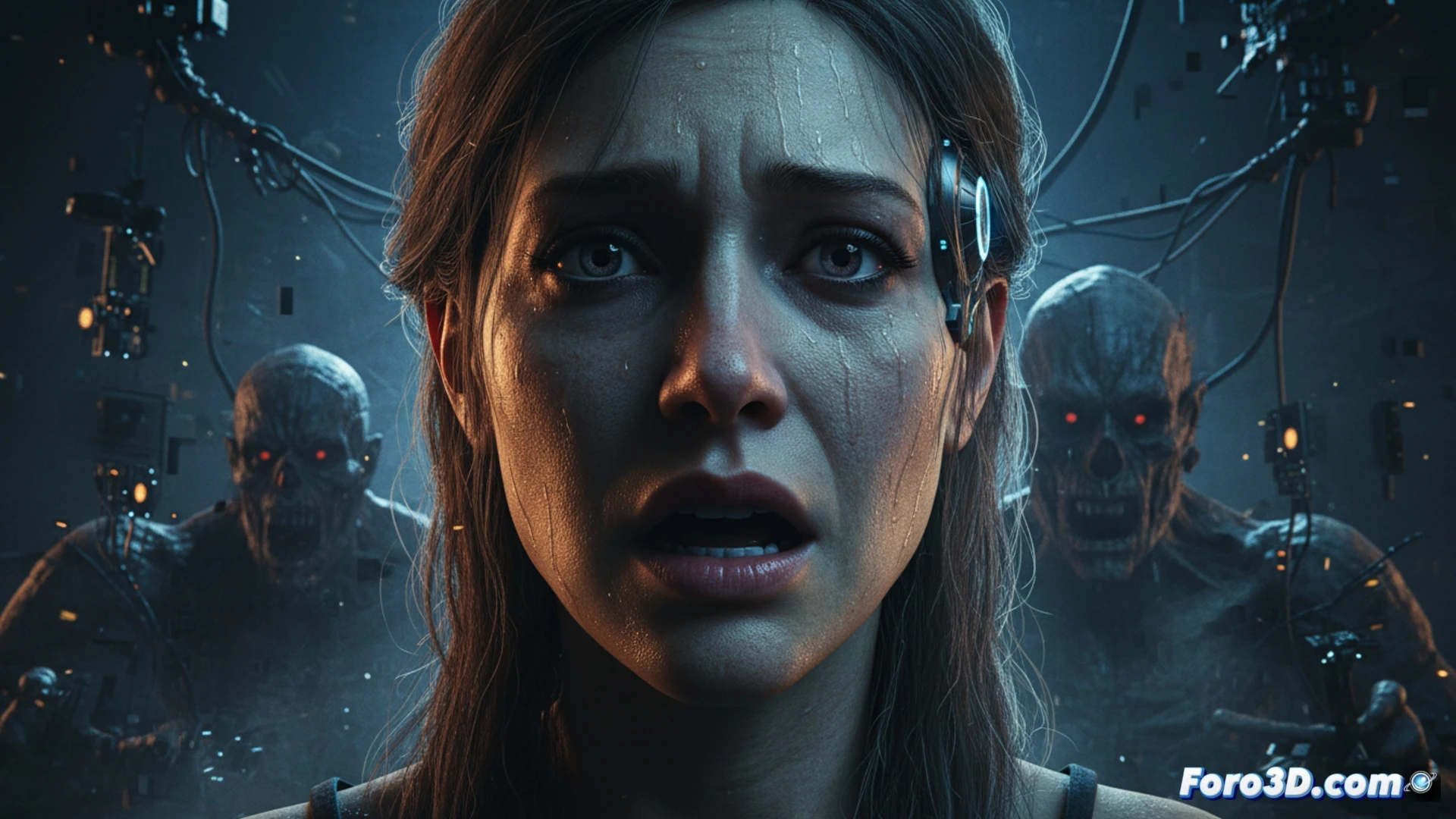
Technical Pipeline: Performance Capture and Micro-Muscle Movements 🎭
The core of realism in OD lies in the use of MetaHuman Creator, which allows sculpting faces with sub-millimeter detail. However, the true revolution is in the animation. Kojima Productions employs its own performance capture system to record not only body movement but also micro-facial expressions and subtle muscle tremors that convey fear or anguish. This data is integrated into Unreal Engine 5, where MetaHuman's animation system translates that information into organic movements. For environmental effects and body distortion that enhance the horror atmosphere, the team uses Houdini, generating procedural simulations that interact with characters in real-time.
The Liquid Frontier Between Film and Game 🎬
OD seeks not only to scare but to demonstrate that a digital character can sustain a dramatic performance as complex as that of a flesh-and-blood actor. By achieving micro-expressions of fear or doubt that activate in direct response to the player's actions, the title explores a new dimension of psychological horror. This technology, centered on emotionally coherent digital humanoids, could redefine how we understand interactive narrative, where the character's face becomes the most powerful interface for the story.
What specific technical challenges in manipulating micro-facial expressions and mapping hyper-realistic textures with MetaHuman in UE5 allow OD to achieve that sense of unsettling horror that blurs the line between the digital and the real?
(PS: check the rigging before recording, so we don't end up like with those textures without UVs!)