A 3D bioprinted skin graft failed clinically due to insufficient vascularization. The technical expert analysis, using confocal microscopy and computational fluid dynamics, revealed that the microchannels designed to nourish the tissue collapsed during the printing process. This 3D forensic analysis demonstrates that the internal architecture of the biological scaffold is as critical as the biocompatibility of the material.
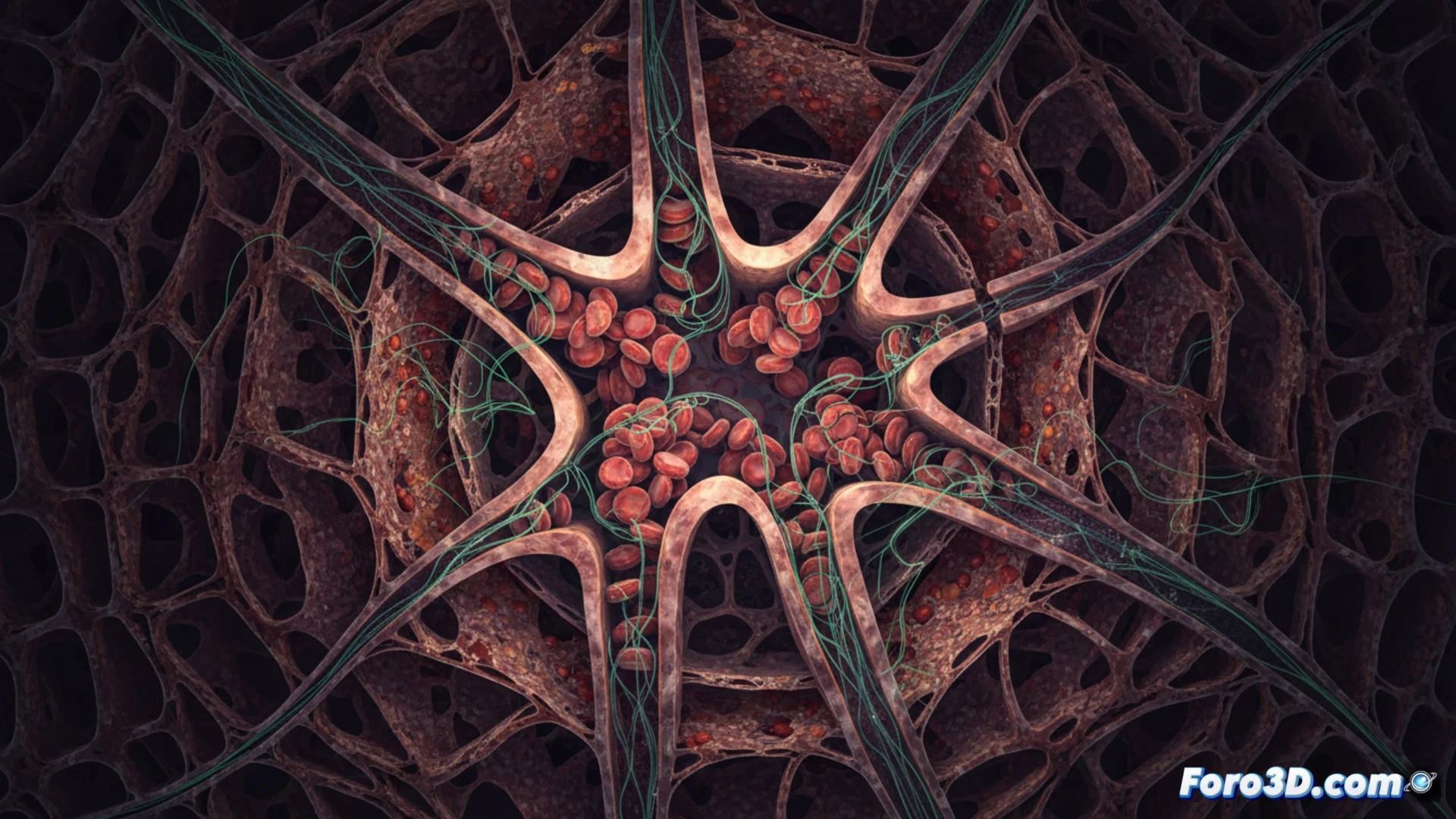
3D Forensic Analysis: Confocal Microscopy and CFD Simulation 🧬
The forensic team used ZEISS ZEN to reconstruct the internal structure of the failed graft in 3D, identifying regions where the channel lumen was reduced by up to 70% compared to the original design. With this data, flow was modeled in ANSYS Fluent, simulating the behavior of a culture medium similar to blood plasma. The results showed zones of total stasis and anomalous shear stresses at the collapsed curvatures. Finally, nTopology allowed redesigning the channel geometry, optimizing the relationship between porosity and mechanical strength to prevent future collapses during hydrogel curing.
Lessons for the Future of Functional Skin Bioprinting 🔬
This case underscores that 3D printing of living tissues is not just a problem of cell deposition, but of precision engineering. Microchannel occlusion is a blind spot in many current protocols. Incorporating fluid simulations and generative topology into the pre-printing design phase can prevent graft failure. The functional artificial skin of tomorrow will require each microchannel to behave like a real venule, not just a simple hole in a gel.
Which vascular scaffold design parameters and bioprinting conditions do you recommend adjusting to prevent microchannel occlusion during the in vitro maturation stage of bioprinted skin?
(PS: If you 3D print a heart, make sure it beats... or at least that it doesn't cause copyright issues.)