A team of researchers has developed a technique that reduces costs and time in cancer therapies. The method allows for the production of modified cells in less than 24 hours, expanding access to patients who were previously excluded due to price. The news is a step forward in the fight against the disease.
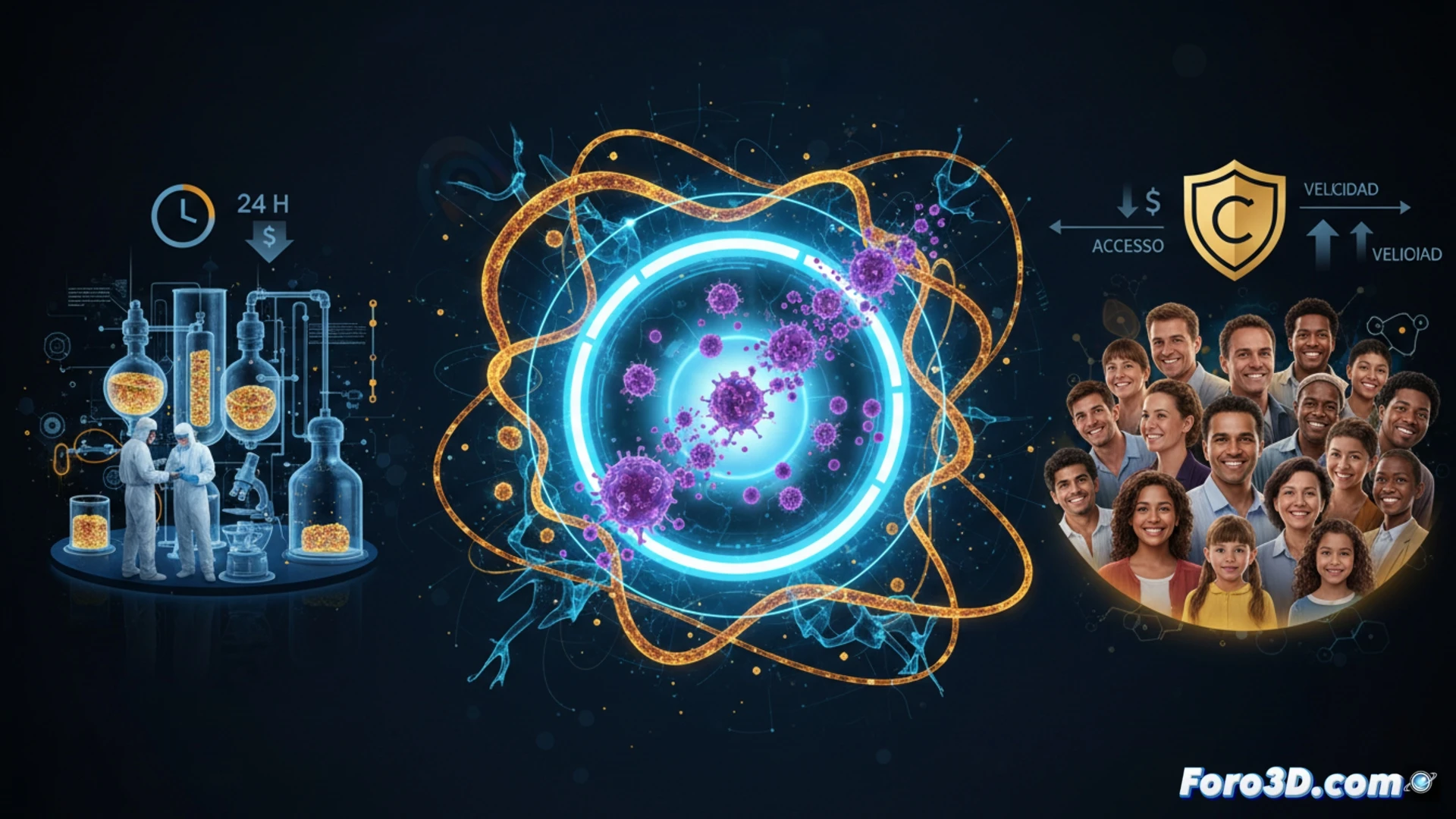
How the new cell production technique works 🧬
The process uses nanoparticles to reprogram T lymphocytes directly in the patient's body, eliminating the need for expensive external laboratory equipment. Initial trials show similar efficacy to traditional methods, but with an estimated 90% savings in manufacturing costs. The technology, developed at a public center, could be available in hospitals in less than two years.
Public healthcare celebrates, but remains cautious 💉
Now all that's left is for healthcare budgets not to forget to pay for the syringes to administer the new treatment. Because, as we know, a medical breakthrough without a budget allocation is like an oncologist without a lab coat: it exists, but it doesn't enter the operating room. Meanwhile, patients cross their fingers that bureaucracy isn't the real tumor to be removed.