The decision to eliminate stable nuclear generation from the energy matrix has had an immediate effect on electricity markets: greater unpredictability in prices. Without the constant base that these plants provided, dependence on intermittent renewable sources like solar and wind has sent cost spikes soaring. The system, which once stood on a firm foundation, now dances to the rhythm of the wind and clouds, leaving consumers and businesses with bills that rise and fall without warning.
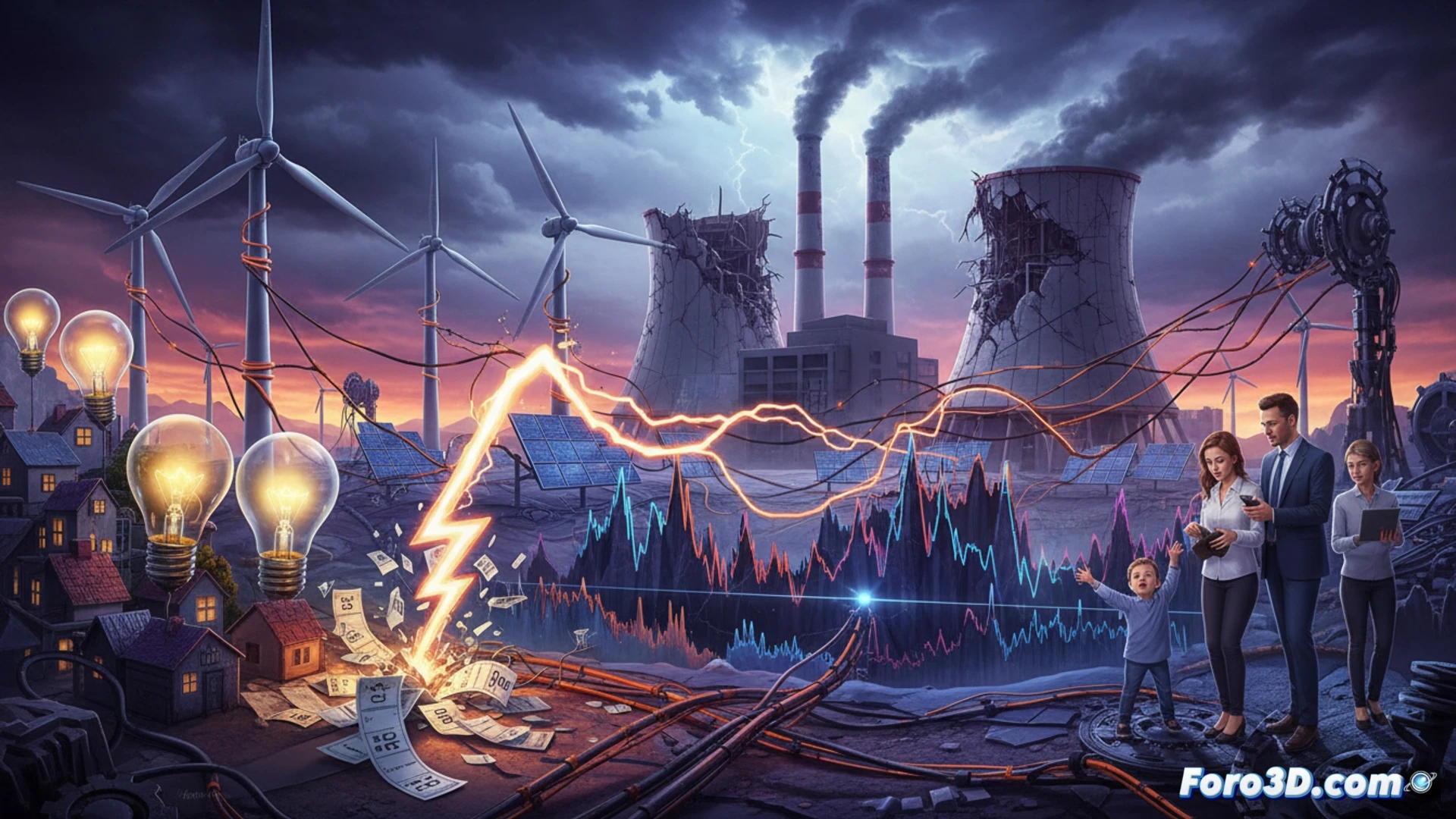
Renewables without nuclear base: a storage challenge ⚡
The variability of renewable generation, without the backing of nuclear power, demands large-scale storage solutions that are not yet mature. Lithium-ion batteries and pumped hydro systems try to fill the gaps, but their capacity and duration are limited. While wind generates at night and solar only during the day, the grid suffers imbalances that force the urgent startup of gas plants. The result is a more expensive and less predictable mix, where technology has yet to match the constancy of the atom.
Shut down nuclear and spin the roulette wheel 🎰
It turns out that closing nuclear plants to embrace a green future has its catch: now the price of electricity depends on whether the wind blows or the clouds take pity on us. It's like swapping a Swiss watch for a pinball machine. Advocates of the ecological transition promised stability, but what we have is a market that spikes every time a cloud front passes over the peninsula. Good thing shutting down what worked was the priority.