Cloud engineering manages virtual infrastructures, but physical hardware still exists in data centers. 3D technology allows visualizing and simulating cabling, airflow, and rack layout before deploying servers. A clear example is planning a datacenter's cooling with 3D models to avoid hot spots, saving energy costs.
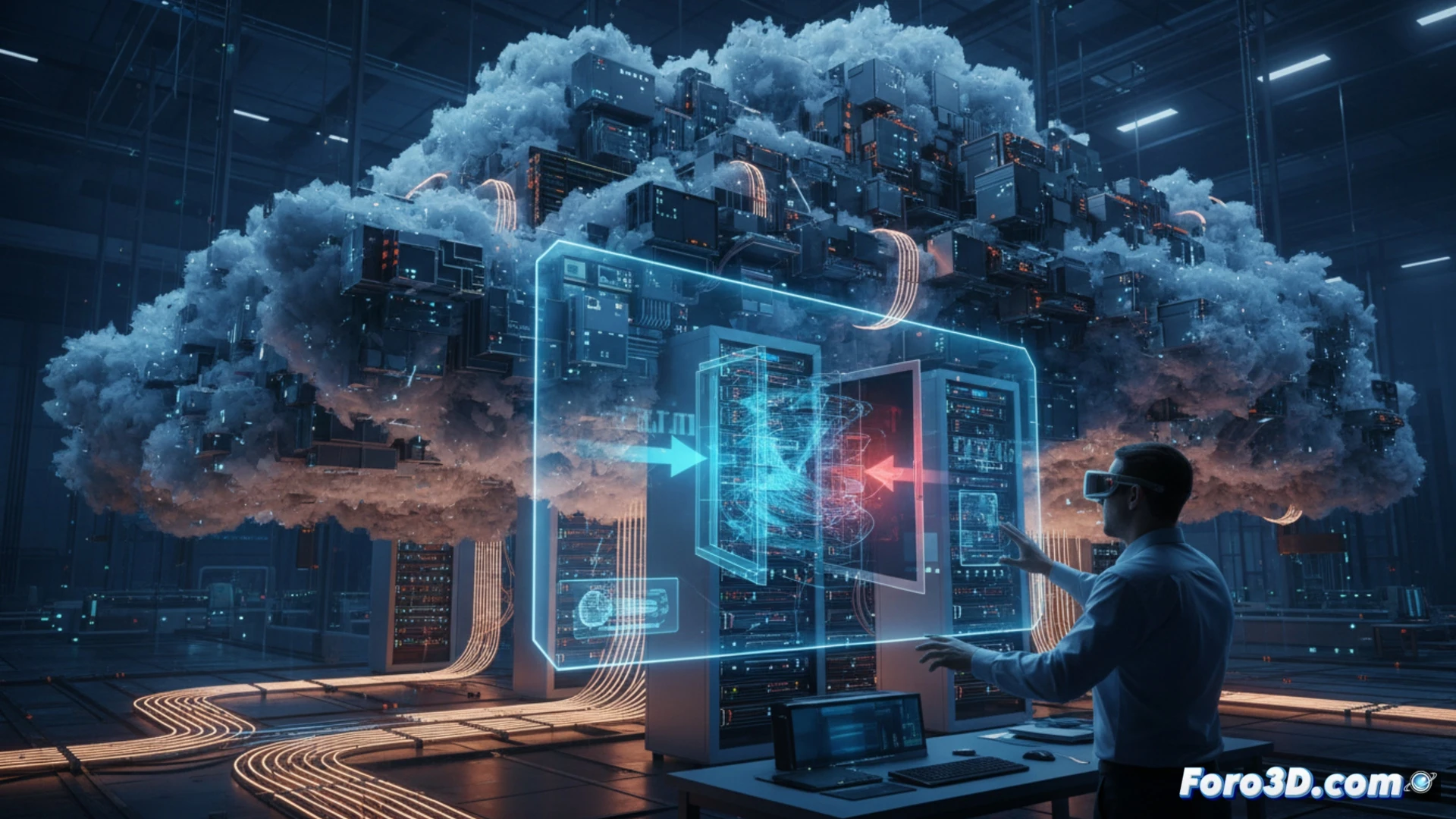
Datacenter modeling and digital twins 🖥️
For this task, programs like Autodesk Revit or Blender are used to create digital twins of the data center. Tools like NVIDIA Omniverse allow simulating workloads and airflow in real time. The cloud engineer can predict hardware failures or plan migrations without touching a single real cable, integrating these models with AWS or Azure APIs.
The drama of mounting a rack without 3D glasses 🤡
Because let's be honest, we've all tried to guess if that network cable reached the switch, only to discover it didn't, and end up doing a circus contortionist pose. With a 3D model, even the intern can see that rack is poorly ventilated without having to crawl underneath. And the best part: nobody has to break a sweat moving 30-kilo servers because the blueprint was wrong.