Norihiro Naganuma has established himself as a director capable of weaving fantasy worlds with an uncommon emotional density. His works, such as The Ancient Magus' Bride or The Apothecary Diaries, not only feature lush, detailed backgrounds but also explore internal conflicts about connection and self-acceptance. His approach blends magical realism with a narrative that prioritizes the psychological development of characters over mere visual spectacle.
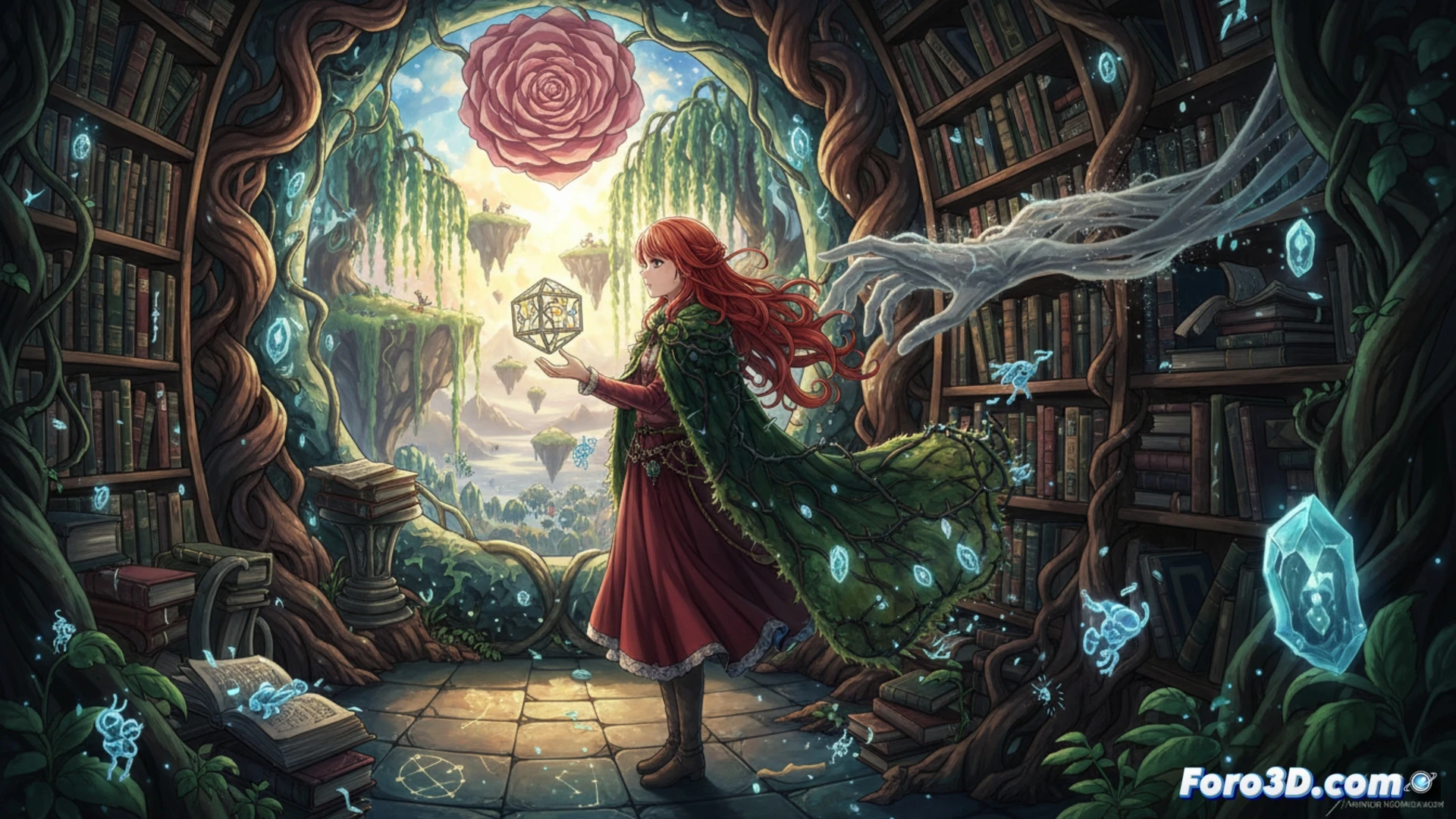
The technical engine: how the studio achieves that magical realism 🎨
Naganuma's team uses a combination of digital animation with layers of hand-painted textures to achieve that tangible fairy-tale aesthetic. The dynamic lighting and highly detailed backgrounds are not random: each visual element responds to the protagonist's emotional state. In the development of The Apothecary Diaries, for example, multi-layer composition techniques were applied so that the settings reflected the heroine's limited perspective. The result is a world that feels alive because it reacts to the mood of its inhabitant, not out of pure technical virtuosity.
When your boss asks for magical backgrounds and you end up with a therapeutic garden 🌿
The problem with working with Naganuma is that, if you're an animator, you end up drawing tree leaves with an expression of existential anguish. While other studios ask for pretty backgrounds, he demands that each petal fall with just the right amount of sadness. And mind you, then the fans come along saying the weeping willow in the background had narrative reasons. In the end, even the moss on the walls has more emotional development than some characters from other series. A top-notch botanical drama.