On March 12, 2012, Noboru Ishiguro passed away, a director who shaped Japanese epic science fiction. Without fanfare, he built sagas where galactic politics and history guided human conflict in space. His legacy lives on in titles like Legend of the Galactic Heroes or Macross, where classical music elevated every interstellar battle.
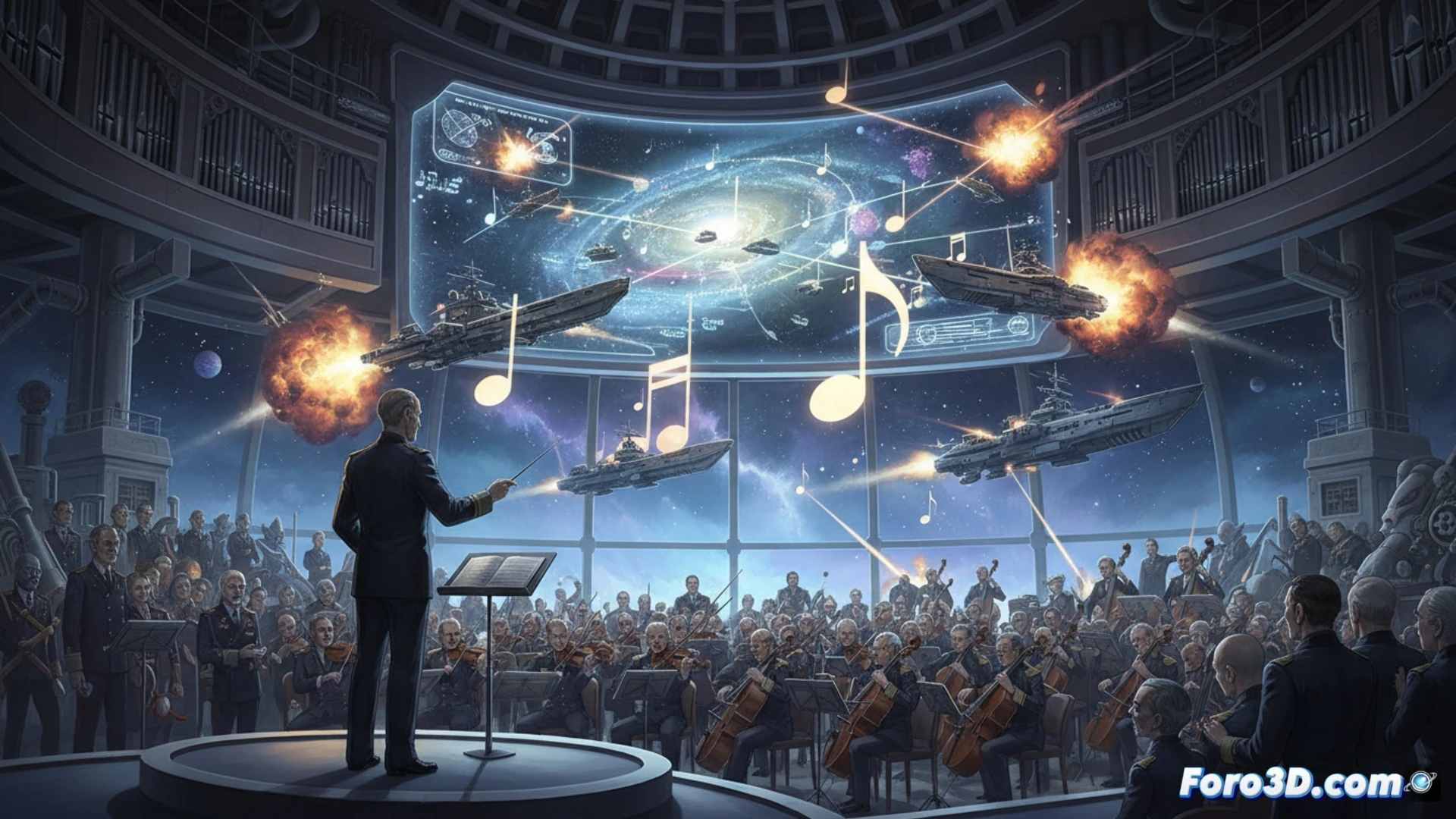
The Epic Machinery: From Yamato to the Galaxy 🚀
Ishiguro understood that space opera didn't need empty explosions. In Space Battleship Yamato, he coordinated ship sequences with military precision. For Legend of the Galactic Heroes, he developed a battle planning system with dozens of ships on screen, using hand-painted backgrounds and optical effects. His method: dense scripts, detailed storyboards, and a soundtrack of Beethoven or Mahler to give dramatic weight. Each combat scene served the political narrative, not gratuitous spectacle.
The Lord of Choirs and Slow Ships 🎵
Ishiguro had a peculiar obsession: inserting an opera choir into every space duel. If two fleets clashed, a requiem would play. If an admiral gave a speech, Bach was in the background. The result was that watching Legend of the Galactic Heroes felt like an accelerated course in classical history with spaceships. Fans joked: if Ishiguro had directed Star Wars, the Millennium Falcon would take ten minutes to take off while a Tchaikovsky symphony played.