NetEase has revealed Code: Explorer, an ambitious adventure project that uses Unreal Engine 4 as its graphical foundation. The highlight of its pipeline is the procedural generation of complete planets, combining Houdini for terrain creation and Photoshop for texturing. This approach allows for infinite exploration with dynamic atmospheric lighting that adapts to the player's rotation, a technical challenge worthy of detailed analysis for any developer. 🚀
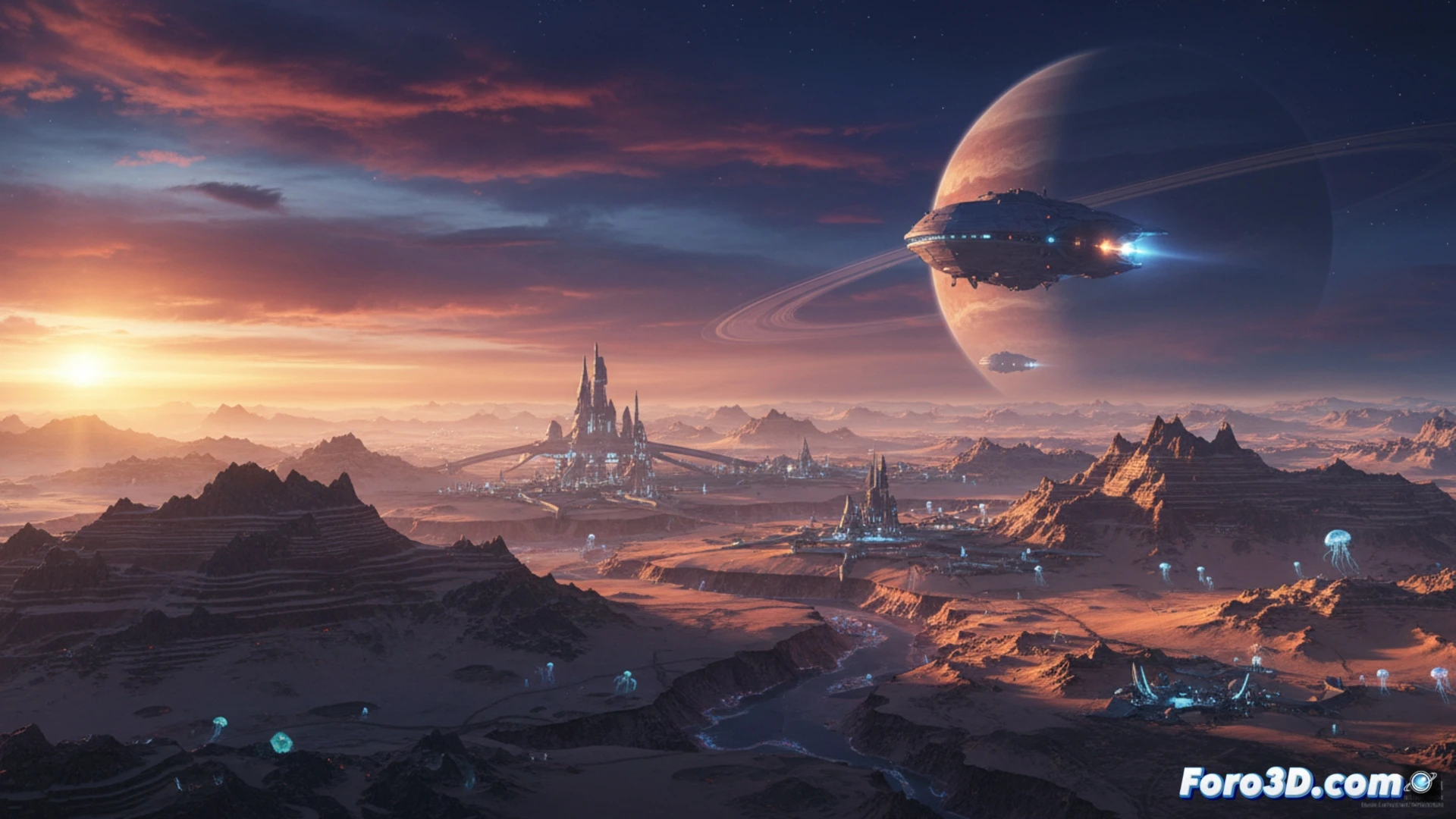
Technical Pipeline: Houdini, UE4, and Digital Photogrammetry 🛠️
The workflow of Code: Explorer is an example of how to integrate simulation tools with game engines. Houdini handles the procedural generation of planetary terrain, using nodes to create mountains, valleys, and oceans without manual intervention. This data is exported to Unreal Engine 4, where the mobile atmospheric lighting system (simulating scattering and refraction) is applied in real-time. Photoshop complements the process by generating texture maps (diffuse, normal, and roughness) that are projected onto the procedural surface. For indies, replicating this is possible with UE4's Landscape System and the Houdini Engine plugin, although optimizing LOD (Level of Detail) for entire planets remains the main bottleneck.
Lessons for Indies: Is the Procedural Hype Worth It? 🤔
While engines like Unity offer alternatives with the Terrain Tools package, the Houdini-UE4 combination stands out for its granular control over erosion and atmosphere. However, for an independent developer, the cost of Houdini and the complexity of its nodes can be prohibitive. NetEase's lesson is clear: procedural generation is not a shortcut, but an investment in the pipeline. If your project aims for unique open worlds, study UE4's material system for dynamic lighting and consider alternatives like World Machine for terrain before jumping into Houdini.
As a video game developer, what specific technical advantages does the integration of Houdini with Unreal Engine 4 offer for the procedural generation of planets in Code: Explorer, compared to other procedural creation tools?
(PS: shaders are like mayonnaise: if they break, you have to start all over again)