Vagus nerve stimulation has become the latest wellness promise on social media. Health and wellness influencers promote electrical pulse devices as the ultimate solution for stress, anxiety, and brain fog. However, behind this trend lies a structural problem: recommendation algorithms amplify claims without scientific backing, creating validation bubbles that turn a legitimate medical therapy into a billion-dollar business by 2030.
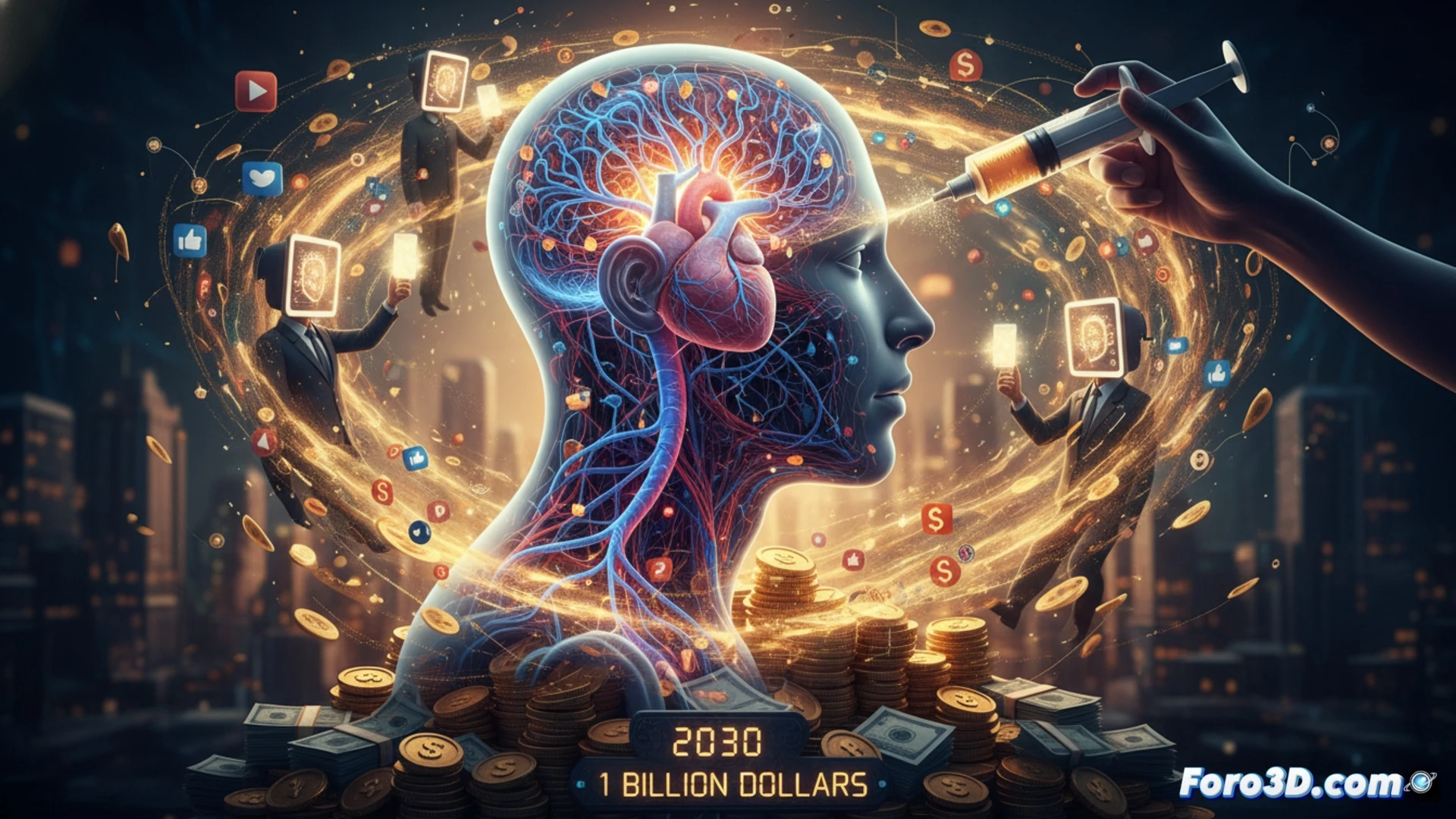
Algorithmic architecture of health misinformation 🧠
Social platforms prioritize emotional and simplistic content over rigorous analysis. The AI systems governing feeds and recommendations detect that videos with categorical claims about the vagus nerve generate higher retention and engagement than scientific nuances. This creates an echo chamber effect: a user seeking stress relief receives a cascade of positive testimonials, while posts from neurologists warning about the lack of evidence for the general public are buried. Dr. Kevin Tracey, neurosurgeon, confirms that the promise of a quick fix clashes with the reality that science does not yet support its widespread use.
High-tech placebo and AI governance ⚖️
We face an ethical dilemma: the same technology that democratizes information enables the viral spread of pseudoscience. Vagal stimulation devices are not a complete fraud, but their real efficacy is overestimated by digital marketing. For the Foro3D community, this is a wake-up call. We need transparent algorithms that prioritize evidence and curb the validation bubbles that turn an expensive placebo into the next big consumer trend.
Can a pseudoscientific fad like the vagus nerve one reach a trillion dollars in revenue with hardly any solid clinical evidence, and what does this say about the vulnerability of digital society to viral wellness promises?
(PS: trying to ban a nickname on the internet is like trying to cover the sun with a finger... but in digital)