The Hyperdimension Neptunia franchise has always been characterized by its anime style and meta humor, but technically it was held back by limitations from outdated proprietary engines. With Neptunia Sisters vs Sisters, the studio takes a step forward by migrating to Unreal Engine 4. This change not only modernizes the aesthetic but also introduces a level of detail in character models and visual effects that was previously impossible in real-time. We analyze how this transition impacts the development pipeline and what indie studios can learn from this process.
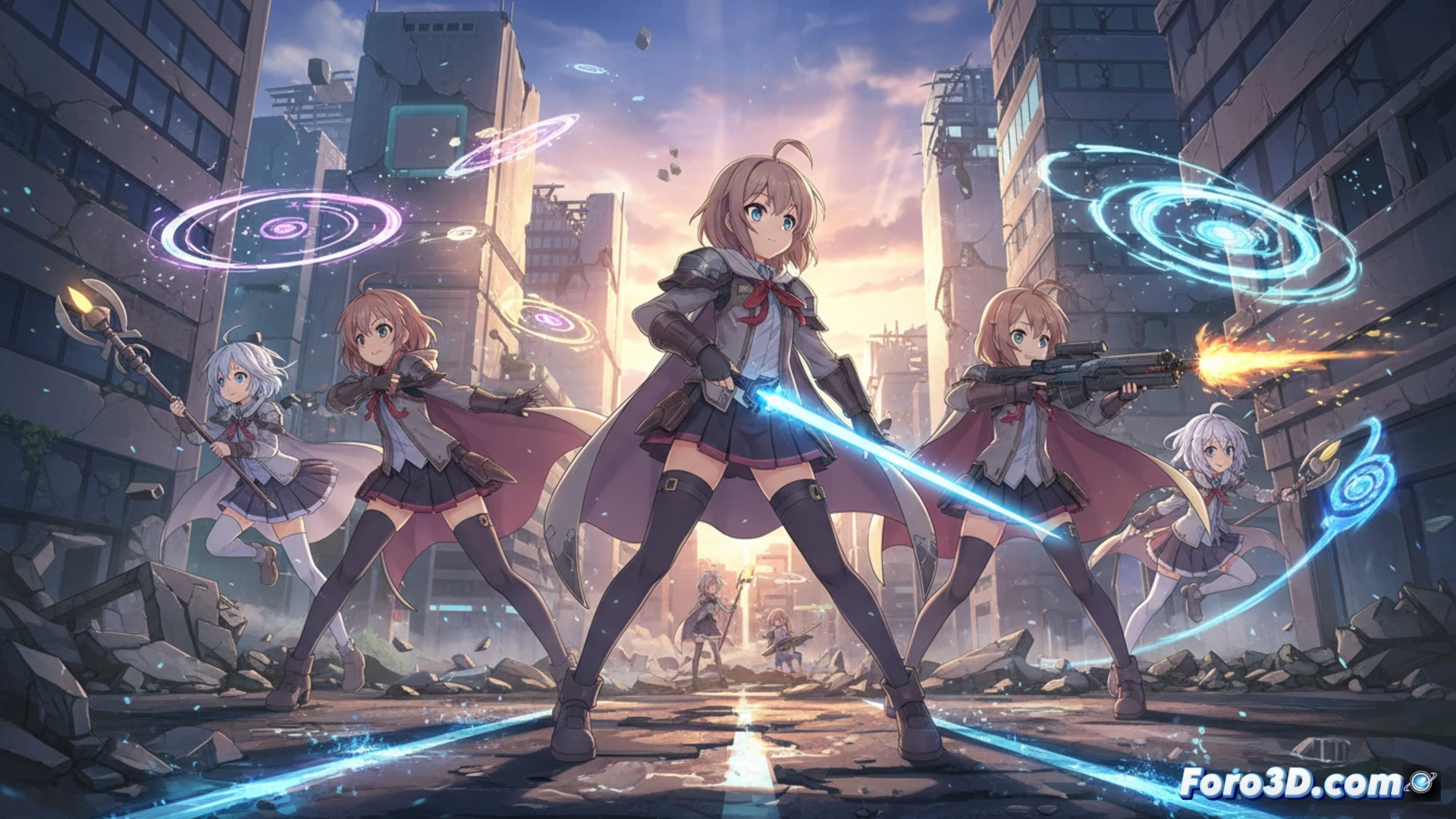
Modeling, dynamic particles, and optimization in UE4 🎮
The most obvious leap is in the character models. In previous installments like Megadimension Neptunia VII, the models featured simple geometry and low-resolution textures, limited by the proprietary engine. In Sisters vs Sisters, characters boast denser polygons on faces and hair, with normal maps and ambient occlusion that provide realistic volume. But the true milestone is the skill effects. Thanks to UE4's Niagara system, real-time dynamic particles generate explosions, energy waves, and flashes without sacrificing performance. Global illumination with Lightmass allows these particles to react to the environment, creating dynamic reflections and shadows. For indie developers migrating to UE4, the key is to reuse base assets but replace shaders and particle systems, maintaining the original artistic style while gaining technical fidelity.
Lessons for indie studios in migrating to modern engines 🛠️
Neptunia's transition demonstrates that a triple-A budget isn't necessary to make the technical leap. Indie studios still using proprietary engines or older versions of Unity can learn from this strategy: prioritize migrating particle systems and lighting before remodeling all the art. UE4 offers tools like visual Blueprints that reduce the learning curve. However, the challenge lies in optimization; Sisters vs Sisters maintains 60 fps on consoles thanks to aggressive LODs and particle culling. The final lesson is that a modern engine is not a magic wand, but a canvas that requires restructuring the rendering pipeline to leverage its capabilities without breaking the franchise's visual identity.
As a developer, what do you think of the leap to Unreal Engine 4 in Neptunia Sisters vs Sisters? Is there really a noticeable significant improvement in performance and optimization compared to the studio's previous titles, or is it just a superficial facelift?
(PS: shaders are like mayonnaise: if they break, you have to start all over again)