Naohito Takahashi is no ordinary animation director. His name was etched into history for bringing Kentaro Miura's magnum opus, Berserk, to anime in 1997. His hallmark: a dense atmosphere, almost theatrical framing, and lighting that seems to filter in from a tomb. He does not seek fast-paced action; he prefers dramatic weight and the introspection of his doomed characters.
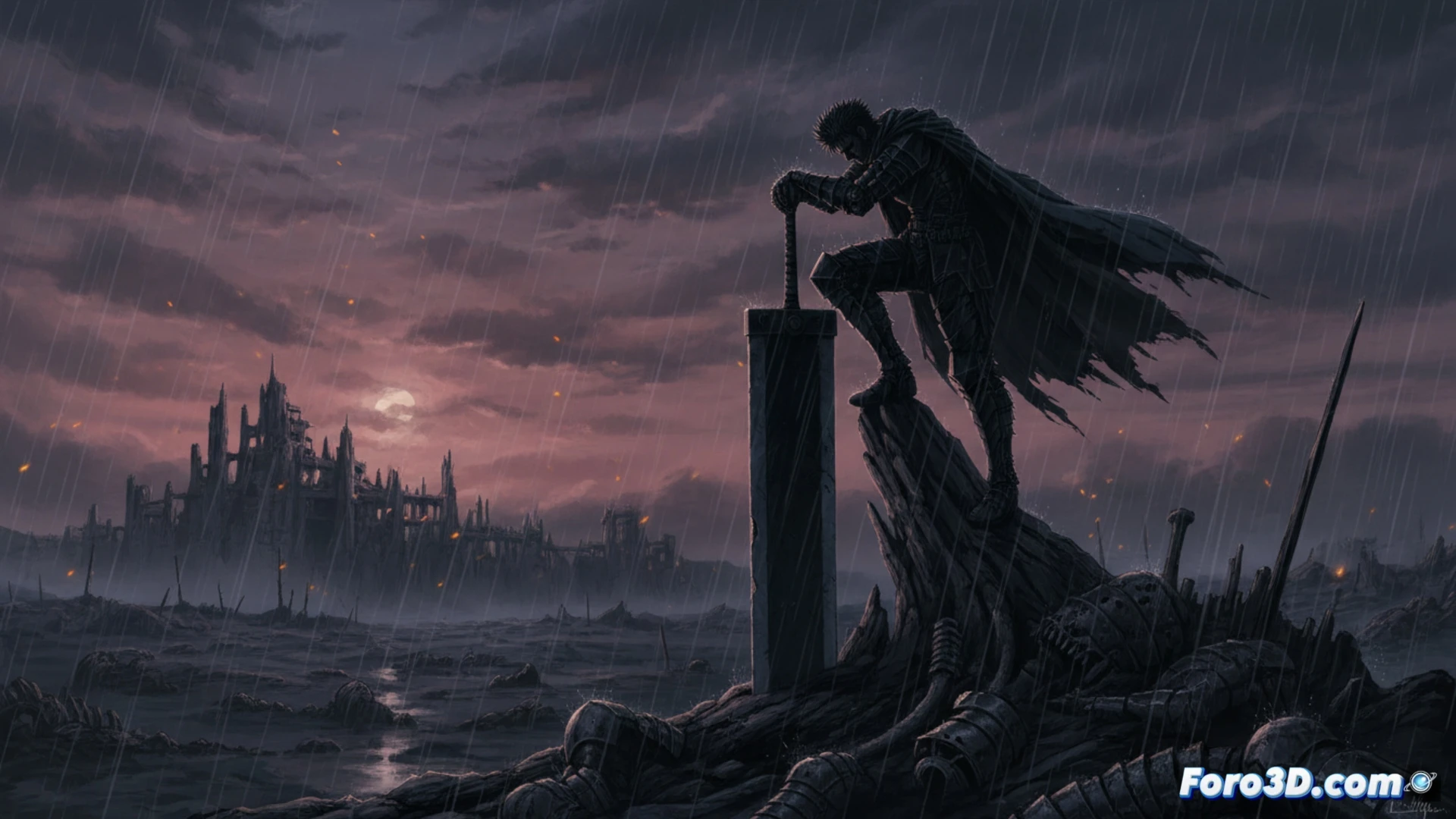
The technique of emptiness: how Takahashi builds visual tension 🎭
Takahashi uses prolonged static shots where minimal movement forces the viewer to observe background details and expressions. The somber lighting is no whim; it responds to a palette of muted colors and stark contrasts that emulate the chiaroscuro of the original manga. In Berserk, he avoids abrupt camera movements to focus on the pictorial composition of each frame. This technique, inherited from Japanese auteur cinema, generates a sense of inescapable doom that envelops Guts and Griffith. The result is a deliberate pace that many call slow, but which sustains the tragedy.
From the giant sword to steel angels: the other side of Takahashi 🤖
And then there are Steel Angel Kurumi and To Heart. Yes, the same director who plunged Guts into darkness also brought us robot girls at a boarding school and school romances. It seems Takahashi, after so much medieval suffering, needed a mental break. One imagines the man in the studio saying: Today we animate bunnies shooting laser beams, tomorrow we return to human despair. His versatility is commendable, though seeing Kurumi smile after the echoes of the Beherit causes a certain existential disorientation.