A team from Harvard has developed artificial muscles using 3D printing that mimic the flexibility of biological ones. These soft actuators can bend, stretch, and twist with precision, bringing soft robotics and prosthetics closer to more natural and safer movements for human interaction.
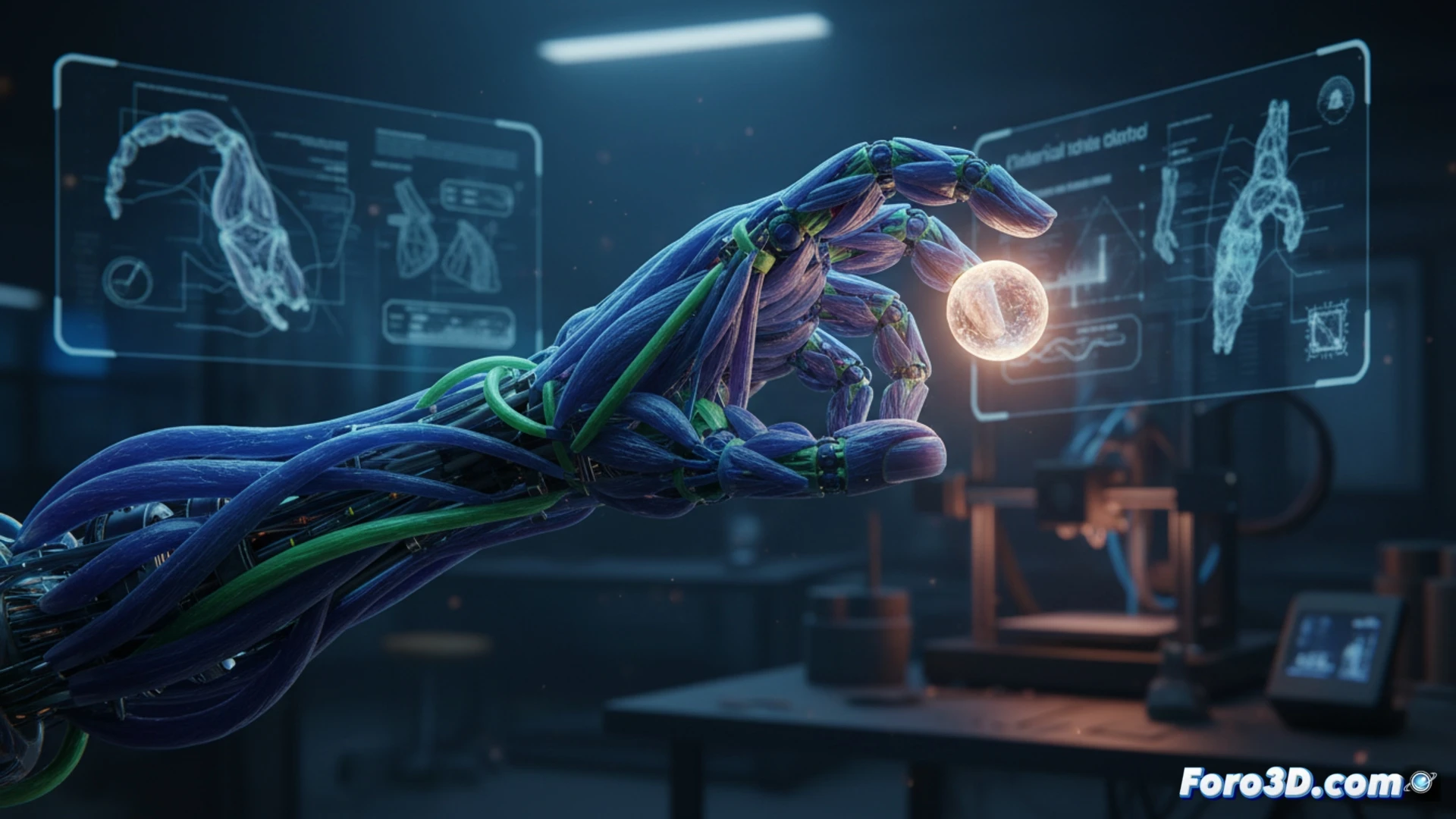
Internal channels for pneumatic and hydraulic activation 💧
The technique integrates internal channels during printing, allowing the muscles to be activated by air or liquid pressure. By programming the geometry and distribution of these channels, researchers precisely control the direction and magnitude of movement. This eliminates rigid components and improves the adaptability of medical and assistive devices, which can now operate with greater smoothness and energy efficiency.
Goodbye, metal claws; hello, hydraulic hugs 🤖
Although these muscles won't lift your car or give you super strength, at least they promise that the assistive robot won't leave you with a bruise when passing you the soup. And if one day they program them to tickle, they should give fair warning. In the meantime, soft robotics advances so that the cyborgs of the future won't have to choose between being rigid or useless.