The installation of hidden radars at points where error is almost human reveals a clear priority: filling coffers before saving lives. Drivers are punished for a lapse while poorly designed intersections or the lack of educational campaigns are ignored. This contradiction shows that the system prefers automatic fines over real prevention, turning road safety into a ticket business.
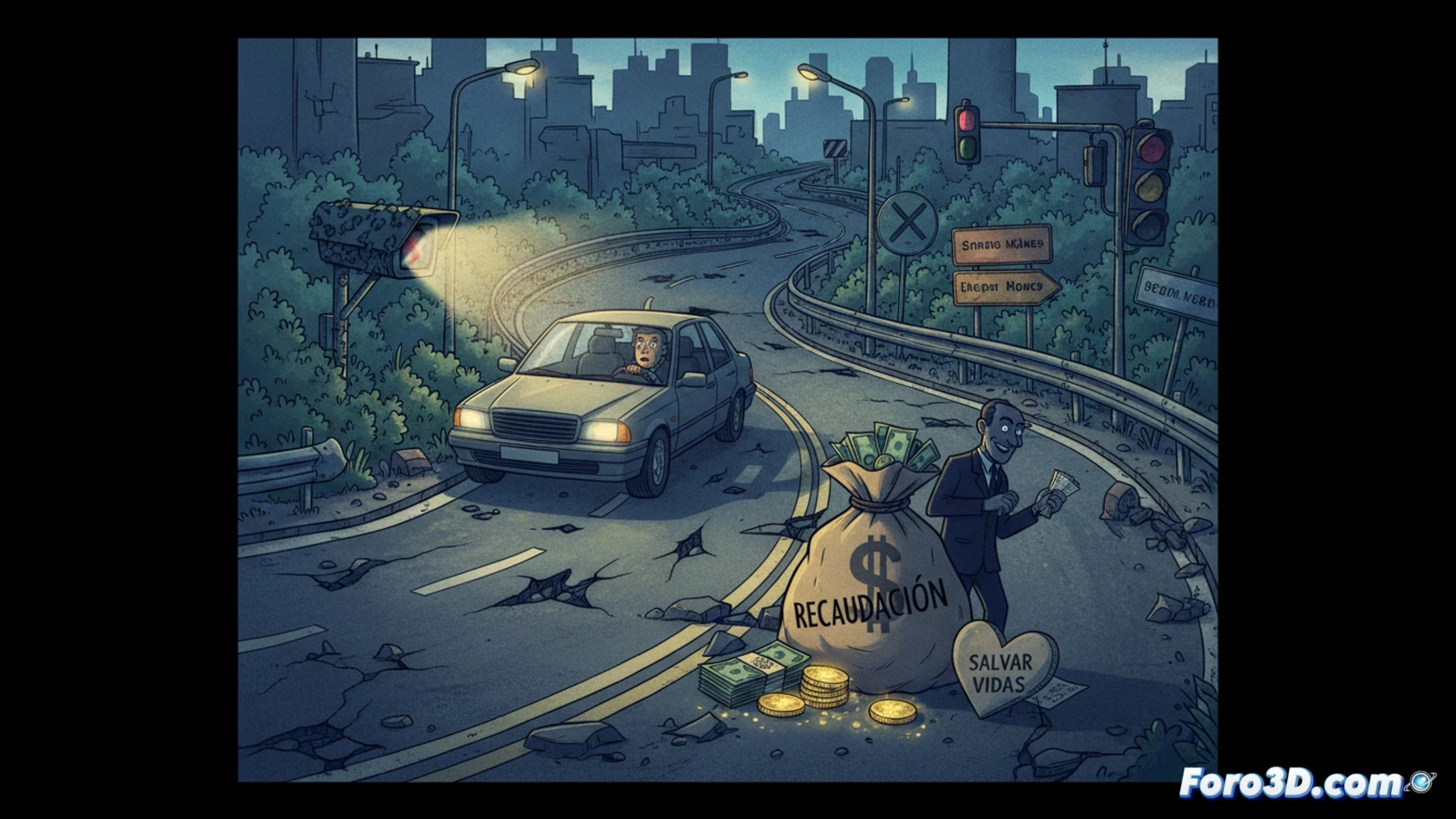
Punitive technology without intelligent design 🚦
Section or traffic light radars measure infractions with millimeter precision, but they do not analyze why they occur. A poorly marked intersection or a change in grade without visibility causes the same error in a hundred drivers a day. Instead of redesigning the road, a radar is placed. Technology could be used to collect data on black spots and propose improvements, but the most profitable option is preferred: the automatic fine.
The radar that sees everything except the real problem 📸
If a radar could talk, it would say: Sorry, I only collect, I don't fix anything. Meanwhile, administrations promise awareness campaigns that never arrive and blame accidents on human distraction. In other words, the fault lies with the driver for not having rally driver reflexes on a poorly lit roundabout. Good thing the fine arrives on time, because that's what matters.