The bodybuilding community is in shock following the death of Gabriel Ganley. Investigations suggest that his trainer may have supplied him with prohibited substances or applied extreme methods. The case has reignited the debate over the risks of steroid use and the pressure in professional sports. The autopsy is expected to shed light on the exact causes of death.
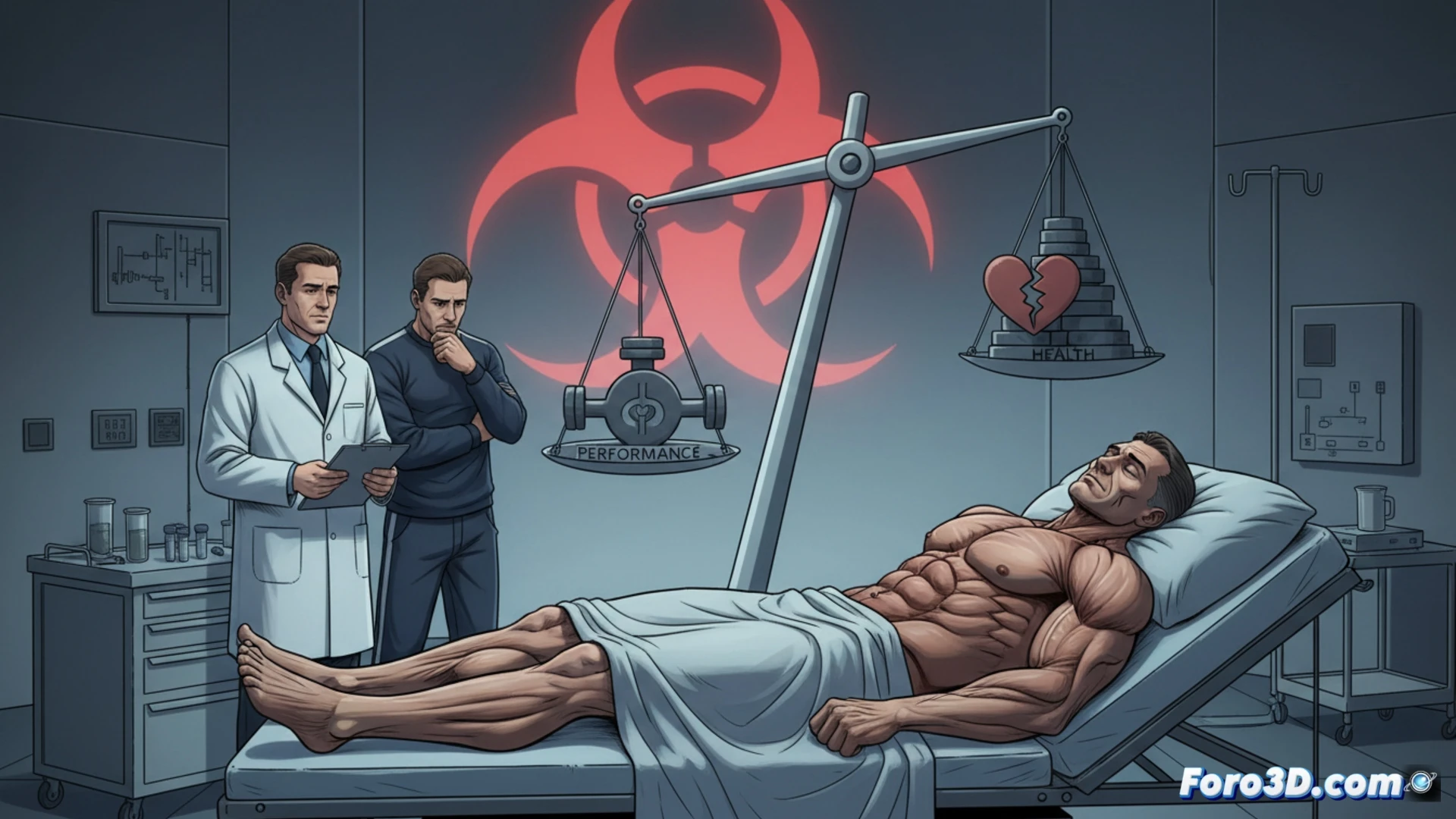
The science of muscle: between development and danger 💉
From a technical standpoint, the use of anabolic steroids accelerates protein synthesis and nitrogen retention, but disrupts hormonal balance. It suppresses natural testosterone production and can cause cardiac hypertrophy, liver fibrosis, and kidney damage. Post-cycle protocols attempt to mitigate these effects, but they do not always succeed in restoring endocrine function. In extreme cases, the combination of multiple compounds and diuretics can lead to sudden organ failure, as suspected in this case.
The gym bro who mistook physique for life insurance 🏋️
Apparently, Ganley's trainer believed that a bodybuilder is like a race car: the more fuel, the better. What he didn't calculate is that the human body doesn't have a warranty workshop. While the autopsy decides whether it was a lethal cocktail or a simple miscalculation, other weightlifters review their cycles with the same caution as a teenager checking their search history. Moral of the story: the pump doesn't forgive.